



The government has imposed additional excise duty on tobacco products from 1 February 2026, making cigarettes costlier for an estimated 10 crore smokers in the world’s most populous country.
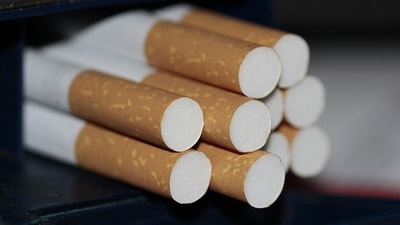
Late on Wednesday, the finance ministry notified the Chewing Tobacco, Jarda Scented Tobacco and Gutkha Packing Machines (Capacity Determination and Collection of Duty) Rules, 2026. That imposed an excise duty of ₹2,050-8,500 per 1,000 sticks, depending on cigarette length, effective 1 February.
ITC’s share price dropped as much as 9.8%, the most since 2020, while Godfrey Phillips India Ltd. dropped 17.6% on the BSE. ITC sells cigarette brands like Classic and Gold Flake, while Godfrey sells Marlboro and Four Square.
Cigarette tax in India
The excise duty on tobacco products, including pan masala and cigarettes, is on top of the GST rate of 40%. It replaces compensation cess, which has been done away with as part of a broader move to rationalise goods and services tax in the world’s fourth largest economy.
From 1 February, tobacco products—including pan masala and cigarettes—will be taxed at 40% GST but bidis (rolled tobacco leaves) will attract 18% GST. On top of this, a Health and National Security Cess will be levied on pan masala, while tobacco and related products will attract additional excise duty.
ITC might need to hike prices by “at least 15%” to pass on the overall impact to consumers, if not higher, Jefferies analysts wrote in a note dated 1 January 2026. ITC gets over 40% of its revenue from cigarettes.
The Parliament had in December approved two bills allowing levy of the new Health and National Security Cess on pan masala manufacturing and excise duty on tobacco.
On Wednesday, the government notified 1 February 2026 as implementation date for these levies. The current GST compensation cess, which is currently levied at varied rates, will cease to exist on that day.


