



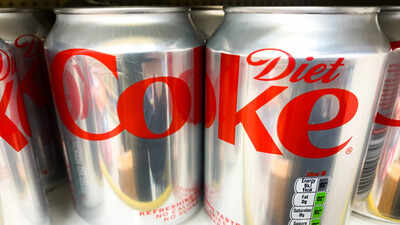
Living in Mumbai, Bengaluru, Pune or parts of the Delhi-NCR region? You might find it hard to grab a can of Diet Coke this summer. The Middle East war has already rattled oil supplies, economies across the globe and multiple sectors—now it’s hitting something far more familiar on everyday shelves: Diet Coke. The beverage is rapidly disappearing from stores across cities such as Mumbai, Bengaluru, Pune and parts of the Delhi-NCR region.Diet Coke availability is hit due to shortage of aluminium cans, triggered by supply disruptions due to the Iran war, and the impact is now showing on store shelves across the country. The sugar-free drink has gone out of stock in multiple cities, including Mumbai, Bengaluru, Pune and parts of Delhi-NCR, even as demand surges during the peak summer season.Retailers say that the situation intensified over the weekend, with whatever little stock that arrived getting sold almost instantly.“We are facing acute Diet Coke stock-outs since the weekend; if supplies do come, they are being immediately picked by consumers,” a leading grocery retailer in Delhi-NCR told ET.While shortages of cans are affecting a wide range of beverages, industry executives pointed out that Diet Coke’s packaging format and rapid growth have made it particularly vulnerable.“While can shortages are impacting all soft drinks, the reason why Diet Coke is seeing shortage in particular is because of a combination of factors,” said a leading bottling partner. “It is the fastest growing diet drink in the country by a significant margin.”A major factor is that Diet Coke is almost entirely sold in cans, unlike other aerated drinks such as Coke, Thums Up and Pepsi, which are also available in PET bottles and returnable glass bottles. The dependence on aluminum cans has made the company more vulnerable to the ongoing supply crunch.
Turning to other markets
To bridge the gap, beverage companies are turning to overseas markets such as the UAE, Sri Lanka and parts of Southeast Asia for aluminium cans. However, imports from these regions are significantly costlier, with prices estimated to be 25–30% higher. These markets together supply nearly a third of India’s aluminium cans due to their large-scale, low-cost manufacturing capabilities.The strain on packaging inputs extends beyond cans. “Supply constraints are worsening, especially for aluminium cans and LPG used in glass manufacturing furnaces, forcing some units to either operate at just one-fourth of their capacity or shut down temporarily,” said a senior executive at a global beverage maker.Domestic production has not been able to keep pace with rising demand. Industry executives said companies such as Ball Beverage Packaging and Canpack lack sufficient capacity, and expanding manufacturing lines could take up to a year. At the same time, some firms are prioritising more profitable segments. “Some companies are also redirecting supplies to more profitable markets and prioritising their limited can inventory for higher-margin products,” said an executive at a large beer company.
Rising demand for ‘guilt free’ drinks
The surge in demand for low-sugar and sugar-free beverages has added to the pressure. Sales in this category have doubled over the past year, creating a mismatch between demand and supply. With limited availability, consumers are increasingly turning to quick commerce platforms and buying in bulk. “With some stocks still available on quick commerce platforms, people are resorting to bulk buying,” an executive at a quick commerce platform said, requesting anonymity. Social media platforms such as Instagram and X have also seen posts like “Diet Coke: missing” gaining traction.The industry has sought relief measures from the government. Earlier this month, the Federation of European Business in India, whose members include Heineken, Anheuser-Busch InBev and Carlsberg, requested a temporary suspension of customs duties on imports of aluminium cans and glass bottles, citing supply challenges arising from the war.In its communication, the body highlighted rising costs across the supply chain. Glass bottle prices have increased by around 20%, paper carton costs have nearly doubled, and other packaging materials have become 20–25% more expensive. Higher freight and insurance costs have further pushed up overall expenses by 12–15%.“This is peak demand season, and just a month ago, we were optimistic that availability would improve,” Aditya Ishan Varshnei, CEO of Goa-based craft beer maker Latambarcem Brewers told ET. “That hasn’t materialised and we now have little choice but to source from markets such as Sri Lanka, which is pushing up our costs.”The current shortage comes after a challenging year for the Rs 60,000-crore packaged soft drinks industry, which saw sales hit by unseasonal rains during the March–September period. While companies were expecting a rebound this summer, ongoing supply challenges and continued stock-outs could drag down sales despite strong demand.


