



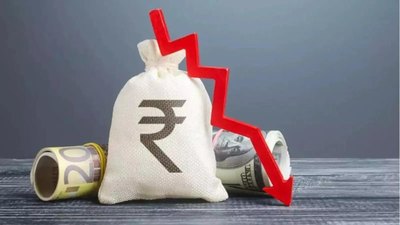
The rupee slipped to a fresh all-time low against the US dollar on Wednesday, extending its recent losing streak as rising oil prices, overseas debt repayments and importer demand for hedging continued to weigh on the currency.The rupee weakened 0.1% to 95.7450 per dollar, moving past its previous record low of 95.7375 touched on Tuesday.Analysts said the pressure on the rupee has intensified since the outbreak of the US-Iran conflict earlier this year, which has sharply pushed up global crude oil prices and strained India’s external sector.Brent crude prices have risen nearly 50% since the Iran conflict began on February 28, while the rupee has weakened by more than 5% during the same period.
Oil shock weighs on India’s economic outlook
Economists have lowered India’s growth forecasts and raised inflation projections amid concerns over persistently high energy costs.“A collapse in oil prices or a resumption in portfolio flows are prerequisites for a durable turnaround in the rupee’s bearish run,” Radhika Rao, senior economist at DBS, said in a note quoted by Reuters.Traders and analysts told Reuters that the rupee’s losses would likely have been much steeper without regular interventions by the Reserve Bank of India and the use of regulatory measures to stabilise the currency.Prime Minister Narendra Modi over the weekend urged measures to conserve foreign exchange reserves, while the government on Tuesday increased import duties on precious metals in an effort to curb demand and support the rupee.
Markets speculate on possible RBI response
Markets are increasingly pricing in the possibility of interest rate hikes to defend the currency and contain inflationary pressure.“Markets are pricing in rate hikes to defend the rupee and address potential inflationary pressures, although we do not expect policy tightening to be the immediate response,” Rao said.Speaking at a conference in Switzerland on Tuesday, RBI governor Sanjay Malhotra said monetary policy could look through temporary supply shocks but may need to respond if inflation pressures become persistent.Malhotra also indicated that while India has so far avoided raising domestic fuel prices despite higher global crude rates, prolonged tensions in the Middle East may eventually force price hikes.Global financial markets remained cautious amid uncertainty over the Iran conflict and persistent inflation concerns in the United States.Foreign exchange markets were largely range-bound globally, while technology-focused equities gained on renewed optimism surrounding artificial intelligence despite stalled negotiations between Washington and Tehran.


