



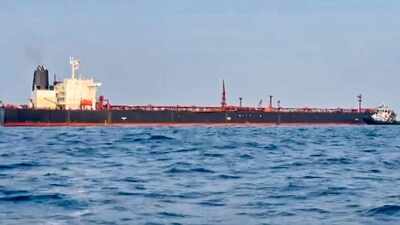
Russia is one of the few countries in the world that stands out for being one of the biggest exporters of crude oil and also among the largest refiners. But, four years after Moscow’s war with Ukraine began, reports have emerged suggesting that India is now supplying gasoline to Russia.According to a Reuters report, traders have sold gasoline produced by Nayara Energy. Incidentally, Nayara is a Russia-backed refinery in India. The refinery has processed only Russian crude since the EU sanctions imposed in July 2025 and relies on international traders for both crude imports and refined product exports. Last week, Reuters reported that around 60,000 metric tons of gasoline had been dispatched from India to Russia.However, Oil minister Hardeep Singh Puri has said that Indian companies are not directly selling gasoline to Russia. “Because of damage to its refineries due to the war, Russia has probably started buying gasoline from India. As far as I know, it has not been bought from any of our companies. It is the purchase of Indian-origin products from a trader,” minister said.According to Sourav Mitra, Partner – Oil & Gas, Grant Thornton Bharat, industry reviews of a tanker invoice showed the vessel Agni loading gasoline at Vadinar for Fujairah on June 20; however, LSEG vessel-tracking data later showed it passing Fujairah and transiting the Suez Canal northbound, illustrating the opaque nature of the trading route.
Why is Russia importing gasoline?
The Ukraine war which incidentally led to Russia becoming the biggest crude oil supplier to India, has also crippled Moscow’s refining capacity very badly. The refining capacity of one Russia has taken a big hit due to persistent strikes and drone attacks from Ukraine. Estimates suggest that over 40% of Russia’s refining capabilities have been impacted, compelling Moscow to increase exports of crude oil and step up imports of gasoline to meet domestic demand.Sourav Mitra, Partner – Oil & Gas, Grant Thornton Bharat cites estimates indicating that Russian fuel production in June 2026 was significantly lower than a year earlier. “The attacks have had a material impact on Russia’s downstream sector. Russian refinery throughput fell to its lowest level since 2009, with average refinery runs declining to about 4.69 million b/d by April 2026 amid repeated strikes on refining infrastructure,” he tells TOI.What this has led to is a mismatch between Russia’s crude oil production and the country’s ability to produce refined petroleum products, particularly gasoline. Gasoline production has declined by approximately 25% year-on-year.“Given the peak summer demand, Russia is facing a persistent structural supply deficit. Consequently, about 78 of the 83 Russian regions have reported gasoline shortages or supply disruptions. Against this backdrop, Russia has imposed temporary restrictions on gasoline exports to prioritise domestic fuel availability and has begun seeking imports to address supply shortages,” he says. Nikhil Dubey, Lead analyst at Kpler tells TOI that around 45% of Russia’s refining capacity, equivalent to approximately 3.3 mbd, was taken offline in June due to Ukraine’s attacks.He adds that the key issue is not only the refining capacity that has been hit, but also the loss of secondary conversion capacity.Why are these facilities important? They play a critical role in converting intermediate products into marketable transportation fuels such as gasoline and diesel.“Compared with crude distillation units, these processing units are far more complex. Restoring them can take significantly longer because replacement equipment typically involves lengthy manufacturing and delivery lead times,” says Dubey.This explains why Russia has been able to continue exporting products such as naphtha and fuel oil, even as domestic supplies of gasoline and diesel have come under greater pressure. “The same trend also helps explain why India’s imports of Russian crude reached a record high in June. Russian refinery runs have fallen to a decadal low, and weaker demand from China has left larger volumes of Russian crude available for export,” he adds.
India’s Ability To Supply To Russia
Russia plans to import around 400,000 tons of gasoline monthly from various countries, including Belarus, which nearly tripled rail supplies to Russia to over 70,000 tons in the first half of June. Interestingly, recently Russia’s parliament approved tax-code amendments offering subsidies on fuel imports. Mitra points out this was calculated on an indicative Indian gasoline price plus shipping costs from Indian ports, embedding India into Russia’s fuel-subsidy architecture. Experts say that India ranks among the world’s largest exporters of gasoline, with overseas shipments averaging about 350-400 kbd.According to Kpler data, India’s export markets range from California, where fuel standards are among the most stringent globally, to countries in North and West Africa, where product specifications are comparatively less rigorous.Experts believe that this broad range of destinations highlights the ability of Indian refiners to manufacture different grades of gasoline. In Russia, domestic gasoline largely meets Euro-5 standards, specifications that Indian refiners already produce for both the local market and export customers, Sumit Ritolia, Lead analyst, Modelling and Refining at Kpler says.As a result, Indian refiners are well equipped from a product-quality standpoint to supply the gasoline grades required by Russia.Mitra says that India supplying gasoline to Russia, even through intermediate channels, reinforces its position as a globally pivotal refining hub. Essentially discounted Russian feedstock is being taken in and premium products are being rolled out.“Russia’s gasoline shortage has created a new outlet for fuel imports. However, major Indian refiners have maintained that they are not directly supplying fuel to Russia. Following EU restrictions on products processed from Russian crude and measures affecting Nayara Energy’s access to European shipping, insurance and financial services, any sales of Indian-origin fuel to Russia are likely to occur through trader-mediated transactions rather than direct contracts between refiners and Russian buyers,” he says.Prashant Vasisht, Senior Vice President and Co-Group Head, Corporate Ratings at ICRA expects the trade will continue till repairs happen in Russia.“Owing to the damage to Russian refineries in the ongoing Russia-Ukraine conflict, the country has been importing gasoline from India. This could continue till the time these facilities are repaired. However the volumes would have little impact on India’s refining industry overall,” he tells TOI.But what if this trade faces future US sanctions? Mitra says that the structure of the trade itself reflects these constraints. “Indian authorities have maintained that there are no direct fuel sales from Indian refiners to Russia, while acknowledging that Indian-origin fuel may reach Russian buyers through intermediaries. Looking ahead, the key risks are not commercial demand but regulatory and geopolitical developments. These include tighter sanctions on shipping providers, traders or financial institutions facilitating such transactions, additional restrictions targeting Russian-crude-based products, and broader geopolitical tensions affecting energy trade,” he tells TOI.“For India, the government’s position remains carefully calibrated. New Delhi has emphasised that any transactions are commercial decisions undertaken by private entities and traders rather than government-directed exports. This distinction provides flexibility in managing diplomatic relations with both Western partners and Russia as the sanctions landscape continues to evolve,” he adds.


