




With grocery bills climbing and household expenses stretching budgets thin, families are now turning to homesteading practices to cut costs and build financial resilience. Growing your own vegetables, raising backyard chickens and making homemade cleaning products are experiencing a surge in popularity as practical ways to reduce monthly expenses.These homesteading skills deliver real savings while building greater self-sufficiency. From backyard gardens to DIY household products, families are proving that traditional practices can provide meaningful budget relief in modern times. In an interview with the Times of India, Vince Braun, Founder and President and CEO of HealthiStraw, a family-owned Canadian company based in Manitoba, specialising in premium, sustainable wheat straw products, shared, “People are realising that many of the skills our ancestors took for granted can provide serious financial benefits today. Whether it’s using quality straw for garden mulch or animal bedding, the right materials make these practices both more effective and more economical.”These practices offer families multiple benefits, including immediate cost savings, protection against price fluctuations and supply chain disruptions, plus valuable skills that increase household resilience. Read on as we spill the beans on the five homesteading practices delivering the biggest financial impact for modern families.
Growing vegetables and herbs at home
Home gardening has become one of the most accessible entry points into money-saving homesteading. A single tomato plant can yield 10-15 pounds of tomatoes throughout the growing season, potentially saving $30-50 compared to store prices. Herbs offer even more dramatic savings, as a basil plant that costs $3 can replace dozens of expensive store-bought packages.
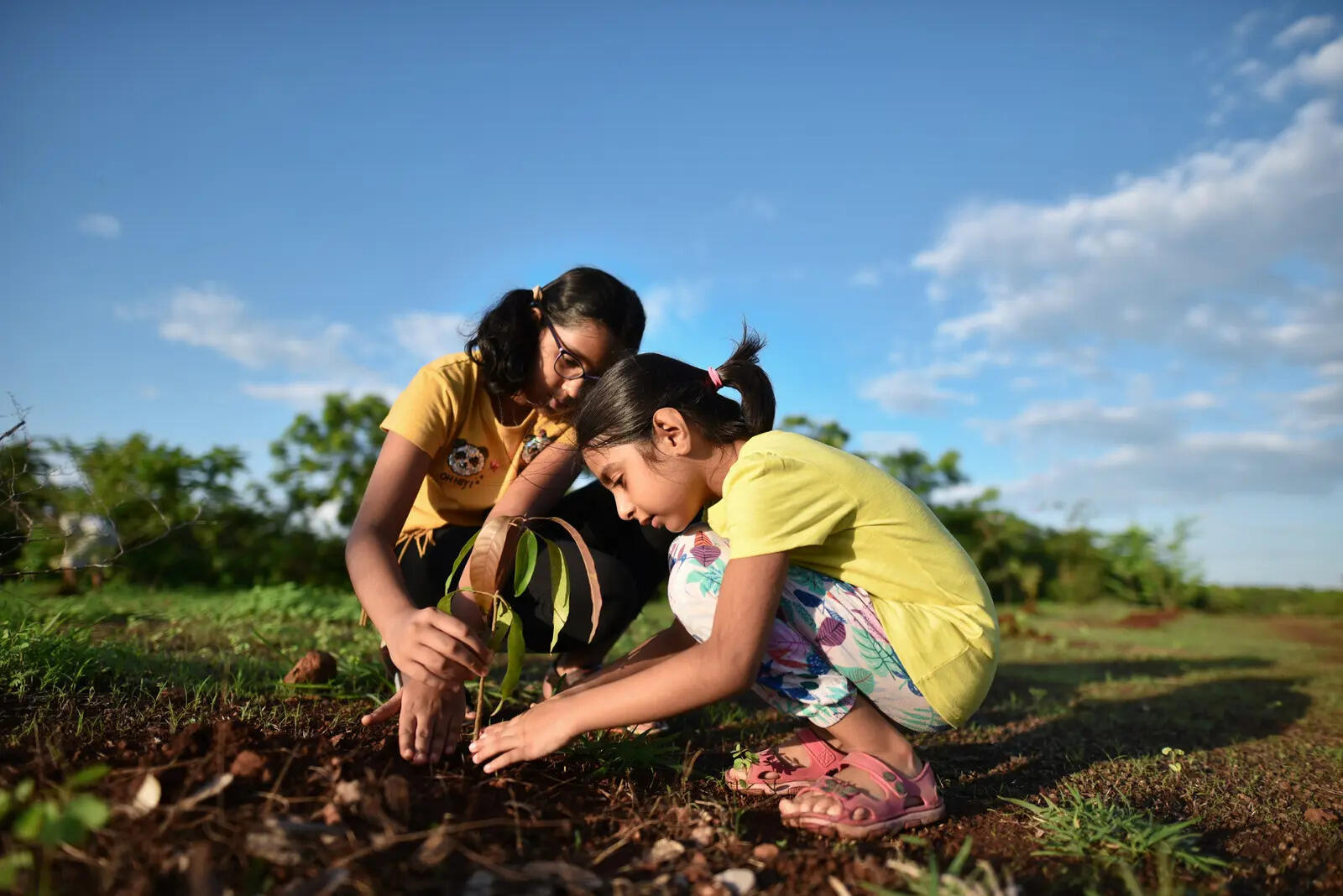
Homesteading advocate and CEO reveals how traditional self-sufficiency practices are delivering measurable savings for families facing economic pressures
There are more sustainability benefits beyond the immediate savings too. Home gardens reduce packaging waste and transportation costs while providing fresher, more nutritious produce. Families also gain protection against seasonal price spikes that can double or triple the cost of certain vegetables.“Quality mulch makes all the difference in garden success,” explained Braun. “Our GardenStraw helps retain moisture and suppress weeds, which means less watering and weeding time for busy families while improving harvest yields.”
Raising backyard chickens for eggs
Backyard chicken keeping has exploded in popularity as egg prices have fluctuated dramatically. A small flock of 4-6 hens can produce 2-4 dozen eggs per week, potentially saving families $200-400 annually compared to store-bought organic eggs. In addition to the financial benefits, chicken keeping provides food security and teaches children valuable responsibility skills. The birds also contribute to household sustainability by eating kitchen scraps and producing fertiliser for gardens.
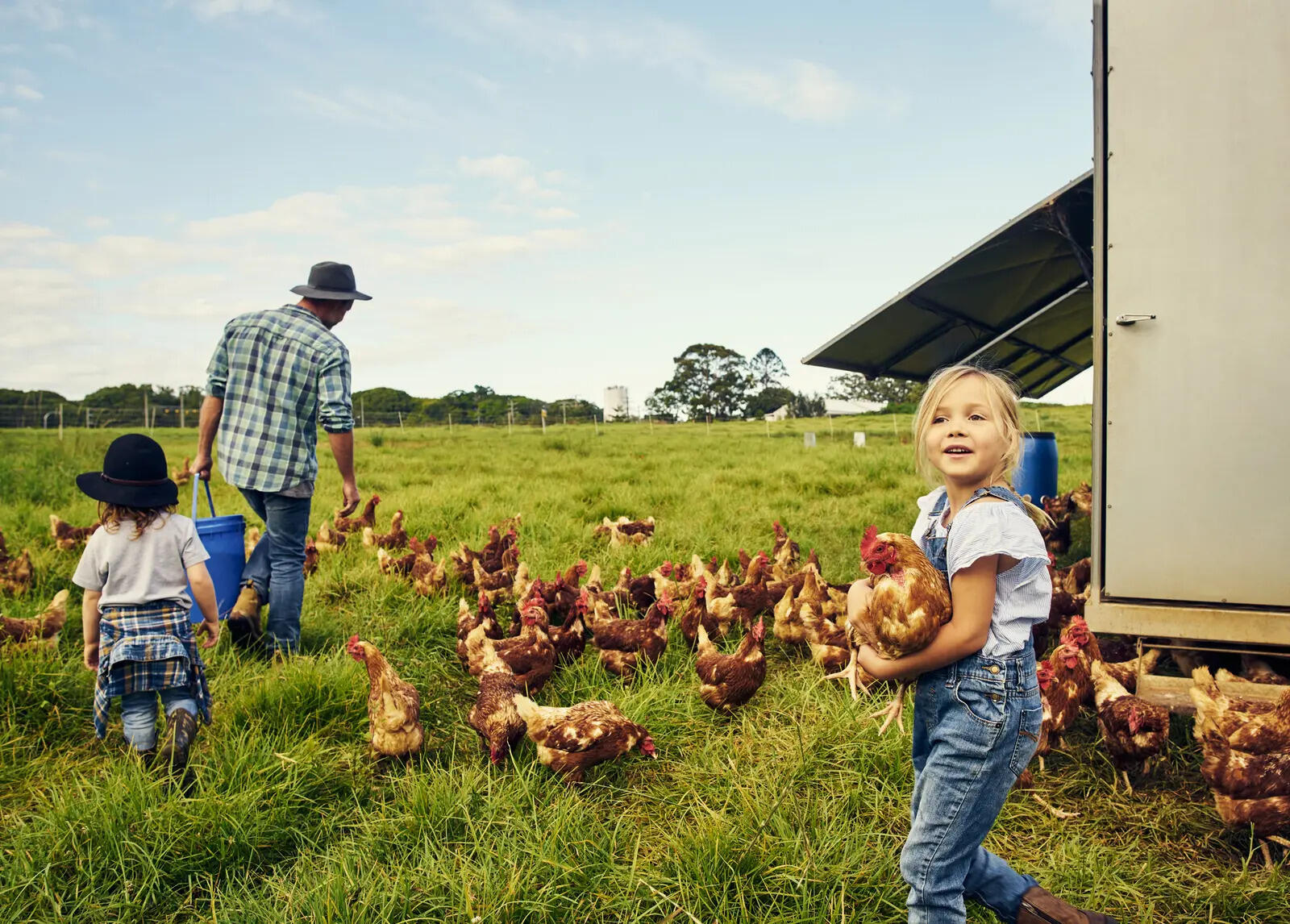
Backyard Chickens, DIY Cleaners and More: The Money-Saving Trend Taking Over Homes
“Proper bedding is essential for healthy, productive hens,” noted Braun. “Clean, absorbent straw bedding keeps coops dry and odor-free, which means healthier birds and better egg production.”
Making natural, DIY cleaning products
Homemade cleaning products offer some of the fastest returns on homesteading investments. Basic ingredients like white vinegar, baking soda, and castile soap can replace dozens of specialised cleaners, saving families $300-500 annually while eliminating harsh chemicals from their homes.Simple recipes using common household items work as effectively as commercial products. All-purpose cleaners, glass cleaners and even laundry detergent can be made for pennies per batch compared to store prices. The self-sufficiency aspect provides additional security during supply shortages or price increases. Families with DIY cleaning knowledge never have to worry about empty store shelves or sudden price jumps.
Repurposing and reusing household items
Creative reuse has become both an art form and a money-saving strategy for modern homesteaders. Glass jars become storage containers, old t-shirts transform into cleaning rags and cardboard boxes serve as garden planters or organisation systems. This practice can reduce household waste by 30-40% while saving hundreds of dollars annually on storage solutions, organisational products and replacement items.

Expert explains how even small changes like growing herbs and making natural cleaners can add up to significant financial benefits over time
The mindset shift toward repair and reuse also extends the life of major purchases like furniture and appliances. Repurposing develops problem-solving skills and creativity while building a more sustainable household economy. Families learn to see potential in items they might otherwise discard.
Preserving and storing food
Food preservation techniques like canning, dehydrating and freezing allow families to capture seasonal abundance and extend savings throughout the year. Buying produce in bulk during peak season and preserving it can reduce food costs by 20-30% annually.Food preservation skills also provide insurance against food price volatility and supply chain disruptions, explained Braun. “Families with well-stocked pantries can ride out price spikes and shortages while maintaining their preferred eating habits.”The practice of preserving and storing food builds valuable knowledge about food safety and storage while reducing food waste. Preserved foods often retain more nutrients than their heavily processed commercial equivalents.Vince Braun opined, “Even small changes can add up to significant financial benefits over time. Starting with something simple like growing herbs on a windowsill or making your own all-purpose cleaner might save just a few dollars initially but these habits build momentum.”When families see how much they can save on groceries by growing lettuce or tomatoes, they often expand into other areas. The confidence gained from successfully making cleaning products leads to trying food preservation or chicken keeping. Experts have observed that homesteading practices work best when people have quality materials to work with. Whether it is proper straw for garden mulch or animal bedding, using the right supplies makes these money-saving practices more successful and sustainable long-term


