



PHEV sales in Europe jumped 59 per cent in August to nearly 84,000 units, with Chinese brands contributing 11,000, a fourteen-fold increase over the previous year.
View Personalised Offers on
 Check Offers
 Europe’s car-buying landscape is quietly shifting. In August, Chinese brands sold over 43,500 cars across the continent, surpassing legacy names like Audi with total sales of 41,300 units in the month and Renault with 37,800 units, a report by Bloomberg stated.


On the surface, it’s a simple statistic, a 5.5 per cent market share, but beneath it lies a story about changing consumer priorities, rising pragmatism, and the quiet assertion of new contenders in a historically insular market.
Also Read : Hybrids vs EVs: where should government put its money
PHEVs lead the charge
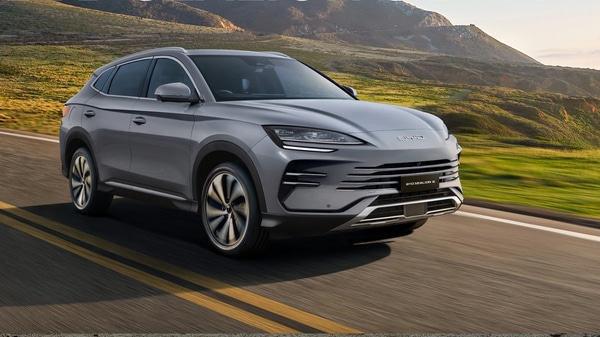
The real engine behind this surge is the plug-in hybrid (PHEV). Across 28 European countries, PHEV sales jumped 59 per cent in August to nearly 84,000 units, with Chinese brands contributing 11,000, a fourteen-fold increase over the previous year. The BYD Seal U, Chery’s Jaecoo J7, and MG HS didn’t just appear on the market; they broke into Europe’s top ten PHEV sellers, offering buyers a bridge between traditional combustion engines and fully electric vehicles.
What’s striking is how these cars cater to the modern buyer’s psychology: the desire for sustainability without the anxiety of range limitations or charging infrastructure. PHEVs are not just technical compromises; they are cultural ones, translating unfamiliar technology into something approachable. In a market historically loyal to domestic brands, Chinese PHEVs are quietly reshaping expectations.
Tesla’s paradox
Meanwhile, Tesla’s Model Y retained its position as Europe’s most popular battery-electric vehicle (BEV), yet sales fell 37 per cent year-on-year. Overall, BEV sales rose 27 per cent, outpacing the market’s 5 per cent growth, showing that the segment is expanding, but no longer under Tesla’s unchallenged shadow.
Also Read : Hybrid hype: types, tech, and the road ahead
Legacy brands under pressure
Renault and Audi, pillars of European automotive identity, now experience a symbolic reverse. Being outsold by upstart Chinese competitors is more than a figure; it is a test of perception, a reminder that brand history alone will not secure relevance. European consumers are proving they care just as much about pragmatism, price, and innovation as badge loyalty.
The squeeze will get tighter as Chinese automakers scale up domestic production. BYD, for example, intends to produce all its European EVs domestically by 2028, mitigating the effect of tariffs and aligning prices with customers’ willingness to pay.
Get insights into Upcoming Cars In India, Electric Vehicles, Upcoming Bikes in India and cutting-edge technology transforming the automotive landscape.
First Published Date: 24 Sept 2025, 08:44 am IST


