



A weekend match at the Wankhede is always under the spotlight, carrying a wave of excitement, especially with run chases. So was the face-off between the Mumbai Indians and the Kolkata Knight Riders at the iconic venue on Sunday. A target of 221 eventually turned into a comfortable chase for MI.
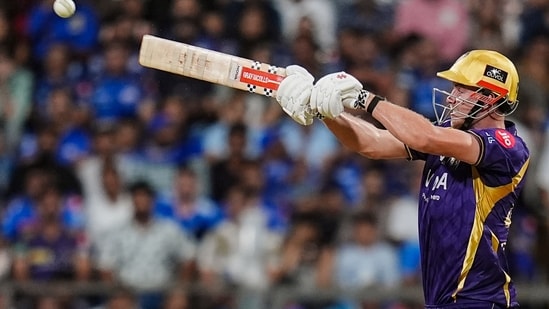
Despite the batting heroics from players like Rohit Sharma, Ryan Rickelton and Ajinkya Rahane, questions were raised post-match over the decisions taken by the KKR bowling unit. Fans and pundits questioned the omission of Cameron Green, particularly why he did not bowl despite being signed for a massive INR 25.20 crore, effectively as a replacement for long-serving all-rounder Andre Russell.
When asked about it after the match, KKR captain Rahane responded, “That question you need to ask Cricket Australia.” The remark has sparked a wider debate around the increasing involvement of international cricket boards in managing player workload during the IPL, especially with a demanding international calendar ahead.
Former India cricketer Aakash Chopra was quick to react, posting on social media: “How is it fair? According to me, they are taking the tournament for a ride. That must not be allowed. This shouldn’t happen because what is the fault of the teams? They feel betrayed, and they have every right to feel this way. Here you won’t blame the player. The player is just a messenger while someone else is sending the message.”
ALSO READ: Sanju Samson’s CSK debut unravels as six-year IPL streak crashes in dramatic fashion
Chopra raises a valid concern about the growing influence of international boards and the message it sends to the IPL, widely regarded as the No. 1 domestic T20 league in the world. When franchises invest heavily in international players, it is with the expectation that their skill sets will be fully available—often filling gaps that cannot be easily addressed through the domestic talent pool.
Cricket Australia, for instance, recently felt the impact of missing key bowlers such as Pat Cummins, Mitchell Starc, and Josh Hazlewood during the T20 World Cup 2026, where they suffered an early exit. That setback appears to have influenced the board’s approach, prompting stricter workload management for IPL 2026.
Australia are set for a packed international schedule, with around 20 Test matches lined up over the next 15 months, alongside preparations for the 2027 ODI World Cup. While the post-IPL calendar is demanding for most nations, restricting player participation raises concerns about fairness. Franchises that invest heavily in overseas players may feel shortchanged, potentially leading to an uneven playing field despite the league’s efforts to maintain competitive balance through structured budgets.


