



- Lucid, Nuro and Uber have unveiled a production-intent robotaxi at CES, with road testing underway and a commercial launch planned for later this year.
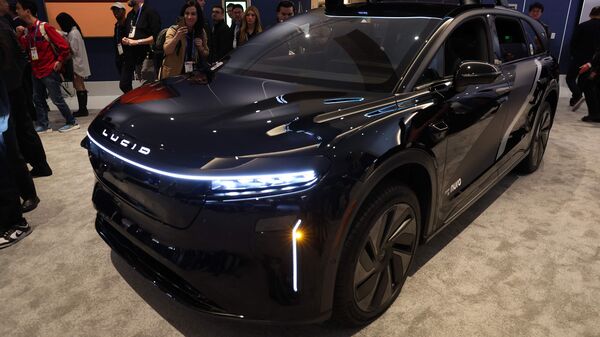
Lucid Group, autonomous technology firm Nuro and ride-hailing giant Uber have moved their joint robotaxi programme closer to commercial reality, unveiling a production-ready vehicle at the CES technology show in Las Vegas.
The announcement signals growing momentum behind large-scale autonomous ride services in the U.S., where several companies are racing to be among the first to deploy driverless fleets at scale. With testing already underway, the partnership is positioning itself for a public launch in the San Francisco Bay Area within the year.
Road trials began in December, with Nuro overseeing the programme using engineering vehicles monitored by safety operators. The companies say this phase is designed to stress-test the system across a wide range of scenarios before the service is opened to passengers.
Also Read : Hyundai Motor Group plans to deploy humanoid robots at US factory from 2028
From testing to factory production
Safety validation is being carried out through a combination of live driving, controlled track testing and virtual simulations. Once this phase is completed, manufacturing of the robotaxi is expected to begin later this year at Lucid’s Arizona plant, subject to final approvals.
Uber’s role in the project highlights how the company has reshaped its autonomous strategy. Rather than developing its own self-driving systems, Uber now aims to act as a marketplace, bringing robotaxi services developed by partners directly onto its platform.
For Lucid, the collaboration offers a path beyond retail electric vehicle sales. The luxury EV maker has been seeking new revenue streams as demand in the U.S. EV market shows signs of cooling and competitive pressure continues to mount.
Also Read : CES 2026: Automakers bet on AI and self-driving tech as EV push loses momentum
Vehicle architecture and autonomy stack
The robotaxi itself is derived from Lucid’s Gravity electric SUV and is equipped with a prominent roof-mounted sensor array that houses cameras, lidar and radar for continuous 360-degree awareness. Inside, the cabin has been designed around a passenger-first layout, with digital interfaces that allow riders to adjust comfort settings, access entertainment and reach support when needed.
Autonomous driving capability comes from Nuro’s Level 4 system, built to operate without human input in defined environments. The vehicle’s computing backbone is Nvidia’s DRIVE AGX Thor platform, which manages perception, planning and decision-making tasks.
Get insights into Upcoming Cars In India, Electric Vehicles, Upcoming Bikes in India and cutting-edge technology transforming the automotive landscape.
First Published Date: 06 Jan 2026, 09:36 am IST


