



The central government is well on track to achieve its fiscal deficit target of 4.4% in the current fiscal year, Economic Survey 2025-26 said on Thursday, allaying any concerns that a lower-than-expected nominal GDP growth could upset the fiscal glide path.
Beyond this immediate fiscal concern, the survey also talks in detail about the desired medium term fiscal priorities and lists important achievements in the post-pandemic period. This larger commentary comes in the backdrop of a global environment that is expected to be anywhere between turbulent to catastrophic. The government has already moved to a medium-term goal of achieving a debt-to-GDP ratio of 50 plus minus one percent by 2030-31 in the last budget which is a “deliberate effort to strengthen the overall debt sustainability while preserving policy flexibility in an uncertain global environment”.
The survey’s commentary on fiscal policy calls for a “credible consolidation” which preserves the gains made since the pandemic’s disruption without putting an unnecessary squeeze on growth. This is to be achieved by prioritizing quality over quantity, achieving efficiency and synergy in government spending and broadening the direct tax base even as some indirect taxes lose their importance because of larger reform objectives. The survey also makes some radical suggestions to achieve these objectives while acknowledging that some of these things are already work in progress.
The survey lauded the government for bringing down both its deficit and debt levels since the pandemic’s disruption when the fiscal deficit reached 9.2% of GDP. The fiscal consolidation has happened while achieving a “sustained improvement in the quality of expenditure” as seen in the rising share of capital expenditure and the revenue deficit – it is the difference between revenue receipts and revenue expenditure – reaching its lowest level since 2008-09. Effective capex, which includes both explicit capital expenditure along with grants-in-aid for the creation of capital assets, increased from an average of 2.9% of GDP in the pre-pandemic period to 4% in the provisional estimates of 2024-25. Fresh borrowings are increasingly being used to service past interest obligations rather than to finance current spending, the survey said. It is all these efforts which have earned India three sovereign credit rating upgrades by Morningstar DBRS, S&P Global Ratings and Rating and Investment Information Inc., the survey highlighted.
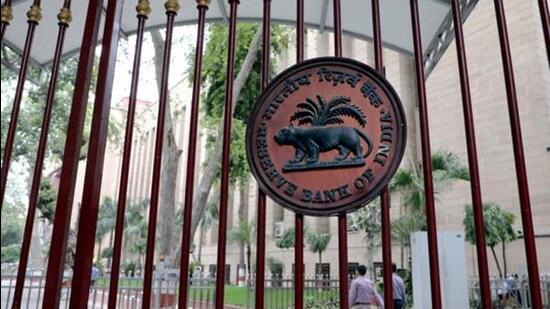
The successful fiscal story is a product of a broadening of the direct tax base, where income taxes have done better than corporate taxes, thanks to a rise in the ranks of the tax paying population as well as policy nudges to improve tax collections and buoyant non-tax revenues thanks to rising profits and dividends, including, but not just from RBI. The success on the direct tax front has allowed the Union government to pursue fiscal prudence at a time when taxes from heads such as customs and excise duties have been losing their importance in the economy as part of reform efforts, the survey said.
To be sure, not all of the fiscal consolidation is driven by growth in taxes and a lot of it actually a result of the central government rationalizing its revenue expenditure, which has come down from 13.6% of GDP in 2021-22 to 10.9% by 2024-25 and is now lower than the pre-pandemic average of 11.1%, the survey said. Expenditure rationalization efforts have included a reduction in subsidy bills from the times of the pandemic, “by curbing fiscal leakages” and “improving targeting” across schemes even as number of beneficiaries has increased.
While the survey has discussed in detail about the importance of state finance in the overall fiscal story, it has also made radical/out of the box suggestions to boost fiscal consolidation via the non-tax revenue route. One of these ideas talks about institutionalizing a professionally managed treasury operations to “enhance the efficiency of its collections…thereby earning more return”. Similarly, it suggests amending the Companies Act to change the definition of a Government Company which could allow the government to divest its stakes up to 26% compared to the current norm of 51% bringing more bang for buck from strategic disinvestment exercises. Another interesting disinvestment idea in the survey is the governing targeting full privatisation of its companies and earmarking a portion of these receipts for strategic investments in emerging technologies through professionally managed platforms such as National Investment and Infrastructure Fund.
If the budget indeed ends up implementing some of these suggestions, it could well be a game-changer on the non-tax part of fiscal policy in a long time.
Aastha Gudwani, chief India economist, Barclays, said: “The survey underscores that the path ahead is to stay the course on fiscal consolidation – gradually reducing the deficit and debt burden – to reinforce investor confidence and macro stability, urging both the centre and states to continue improving tax collection (through technology and expanding the tax net) and to prioritise productive spending. At the same time, the recommendation is to increase public investment to spur growth, with an active role to be played by state capex.


