



Massaging hair with oil is a tradition that has been passed down for generations. It has been celebrated for centuries in various cultures for its ability to promote healthy, shiny hair. With so many options available, it can be difficult to know which option is best suited for your hair type and concern. They can help hydrate, strengthen and repair damaged hair. However, the right oil depends on factors such as texture, scalp condition and whether you want repair, nourishment or styling assistance. This hair oil buying guide will help you get a better understanding of hair oils and give you some suggestions that you can choose from.
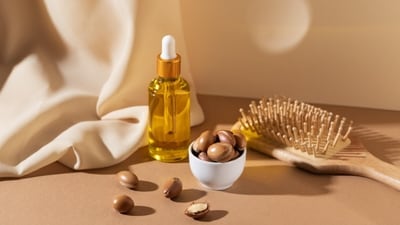
What is hair oil?
Hair oil is a liquid or semi-liquid formulation made from natural plant extracts. “It is a nourishing product designed to improve the health, texture and appearance of the hair by providing hydration, strengthening the hair roots and protecting them from damage,” says cosmetic dermatologist, Dr. Mikki Singh. It is applied to the hair and scalp to provide nourishment, help retain moisture, reduce hair loss, and protect the hair from environmental damage. With various and unique properties, hair oil can help overcome problems like dryness, breakage and lack of shine. Add the right hair oil to your routine for added moisture and strength.
What are the benefits of hair oil?
Hair oil offers many benefits for both the scalp and hair. It can deeply moisturize, preventing dryness and flaking on the scalp. Regular use can reduce hair breakage, improve elasticity and add shine. These hair care products can help promote healthy hair growth by stimulating the scalp and nourishing the follicles. “Regular use can also help repair damage, reduce split ends and add shine to dull hair,” says the expert. Depending on the type of oil, it can also prevent dandruff, control hair fall and even repair split ends.
Also read: Hair Serum Guide: How to Choose the Right Serum for Healthy and Shiny Hair
What ingredients should one look for in hair oil?
Hair oils often contain a variety of natural ingredients that work together to nourish, protect, and strengthen the hair. Common ingredients you can look for in hair oil include:
1. Argan Oil: Rich in vitamin E, fatty acids and antioxidants, argan oil can help hydrate, enhance shine and reduce hair fall.
2. Coconut Oil: Known for its deep moisturizing properties, coconut oil can penetrate the hair roots to reduce protein loss and strengthen the hair. “It’s perfect for deep hydration and scalp health,” the expert says.
3. Jojoba Oil: It may help balance oil production and promote a healthy scalp. This hair oil can also help prevent dryness and irritation of the scalp. “It mimics natural scalp oils, which is ideal for hydration,” the expert says.
4. Olive Oil: Rich in vitamins A and E, olive oil nourishes dry, damaged hair and helps restore moisture while adding shine.
5. Almond Oil: A rich source of vitamins D and E, almond oil helps soften hair, promote hair growth and prevent breakage.
6. Castor Oil: Castor oil, known for its ability to stimulate hair growth and strengthen hair follicles, also adds moisture and may help with scalp health. “It promotes hair growth and density,” says Dr. Singh.
7. Tea Tree Oil: With natural antifungal and antibacterial properties, tea tree oil is excellent for promoting a healthy scalp by reducing dandruff and preventing scalp infections.
8. Rose Oil: Rich in essential fatty acids and antioxidants, rosehip oil can hydrate hair and repair split ends and dry, brittle hair.
9. Grape Seed Oil: Rich in linoleic acid and antioxidants, grape seed oil is a lightweight oil that can add moisture, strengthen hair, and help control hair loss.
10. Avocado Oil: Rich in vitamins A, D, and E, as well as oleic acid, avocado oil can deeply moisturize hair and increase elasticity.
11. Essential Oils (Lavender, Rosemary, Peppermint): Often included for their scent and additional benefits, essential oils can promote hair growth, soothe the scalp and improve circulation.
Also read: Best Vitamin C Serum for Oily Skin: 10 Top Choices for a Healthy and Radiant Glow
What ingredients should be avoided in hair oil?
While hair oils can be extremely beneficial, some of the ingredients can be harsh on your hair and scalp.
1. Mineral Oil: “This can lead to clogged pores and congestion on the scalp,” says Dr. Singh.
2. Sulphates: This hair care ingredient can strip natural oils from the scalp and hair, causing dryness.
3.Silicone: Best hair oil for falling hair Silicones can help create hair buildup, which can make hair feel sticky or heavy.
4. Parabens: This preservative may irritate sensitive scalp. “It can strip away natural oils and cause irritation to the scalp,” says the expert.
5. Alcohol: This can cause dry hair and scalp.
6. Synthetic Fragrance: “This may cause allergies or dryness,” says the expert.
How to choose the right hair oil for your hair type?
Choosing the right hair oil depends on your hair type, texture and specific needs. Here’s how to choose the best oil for your hair:
1. Best hair oil for dry hair
If your hair feels dry or brittle, choose oils that can provide deep hydration. “Coconut oil, argan oil and olive oil are great choices as they deeply moisturize, restore shine and reduce hair fall,” the expert says.
2. Hair oil for oily hair
“If your scalp gets oily quickly, you’ll need a lighter oil that won’t weigh down your hair,” the expert says. Jojoba oil and grape seed oil can be good options that can help balance oil production without making the hair greasy.
3. Hair oil for damaged hair
If you use excessive heat styling or chemical treatments, you need a hair oil that can help repair and strengthen. “Olive or keratin-rich oils are good for repair and strengthening,” the expert says.
4. Hair oil for good hair
Heavy oil can damage thin hair. Choose light oils like grape seed oil or argan oil, which nourish hair without making it greasy. They can add shine and smoothness without compromising volume.
5. Hair oil for thick and curly hair
Thick or curly hair may benefit from rich oils that can provide moisture and help define curls. “Oils containing shea butter or castor oil can enhance texture and reduce hair fall,” says the expert.
6. Best hair oil for scalp health
If you’re experiencing dryness, dandruff, or scalp irritation, choose oils that focus on scalp health. Tea tree oil is known for its antifungal and antibacterial properties, which can help treat dandruff and itchy scalp.
How to use hair oil
Hair oil can be applied to both wet or dry hair, depending on your desired result. Here are some tips from Dr. Mickey Singh that can help you improve the health of your hair:
1. For a deeper treatment, warm the oil in your hands and apply it to your scalp and hair. Leave it on for at least 30 minutes or overnight for a nourishing treatment, then wash off with shampoo.
2. For regular use, apply a small amount to the ends of your hair to reduce frizz and split ends.
3. For styling, rub a few drops of oil between your palms and apply it to dry hair to control shine and frizz.
4. Always start with a small amount and adjust as needed to keep your hair from getting sticky.
What are healthy hair care practices?
Healthy hair care includes regular oiling, gentle cleansing with sulfate-free shampoos, and conditioning to retain moisture. It’s essential to avoid excessive use of heat styling tools, use a wide-tooth comb to prevent breakage, and trim split ends every few months. A balanced diet rich in vitamins and minerals is also important for hair health. Hydration, sun protection and avoiding harsh chemical treatments are equally important practices. Applying excess oil can clog the pores of the scalp and create a favorable environment for fungal and bacterial growth. The scalp naturally produces sebum, and adding too much oil can cause an imbalance, trigger dandruff or worsen an existing condition.
Also read: Face Wash Guide: How to Choose the Right Face Wash for Your Skin Type
Some suggestions for you:
Similar articles for you:
Christmas Gift Ideas: 10 Skin Care Kits That Will Make Perfect Gifts for Your Loved Ones
Best Vitamin C Serum for Dry Skin: 10 Top Choices to Soften Your Skin
Hand Cream Buying Guide: Tips for Choosing the Right Cream for Smooth and Soft Skin
Frequently Asked Questions (FAQ)
- Can I use hair oil daily for hair growth?
Yes, you can use hair oil daily for falling hair, but it is important to use a small amount, especially if your hair is thin or oily. For dry or thick hair, you can apply more liberally.
- Does hair oil help in hair growth?
Hair oil can promote hair growth when used consistently along with scalp massage. Oils like castor, coconut and rosemary stimulate blood flow to the scalp, nourishing the hair follicles and creating a healthy environment for hair to grow. They also reduce hair breakage and split ends, helping maintain length over time.
- How long should I leave oil in my hair?
For a deeper treatment, leave the oil on for 30 minutes to overnight to encourage hair growth. For a lighter touch, apply a small amount and leave it on for a few hours or as an overnight treatment before washing off.
- Can hair oil help with dandruff?
Some hair oils like tea tree, neem and eucalyptus have antifungal and antibacterial properties that can help deal with dandruff. However, oils can aggravate scalp problems like dandruff. Dandruff is often associated with overgrowth of Malassezia yeast, which naturally lives on the scalp. Certain oils, especially oils rich in fatty acids (for example, coconut or palm oil), can act as a food source for this yeast, causing it to overgrow and increase dandruff.
Disclaimer: At Hindustan Times, we help you stay updated with the latest trends and products. Hindustan Times has an affiliate partnership, so we may get a share of the revenue when you make a purchase. We will not be liable for any claims under applicable laws including but not limited to the Consumer Protection Act, 2019 in relation to the Products. The products listed in this article are in no particular order of priority.


