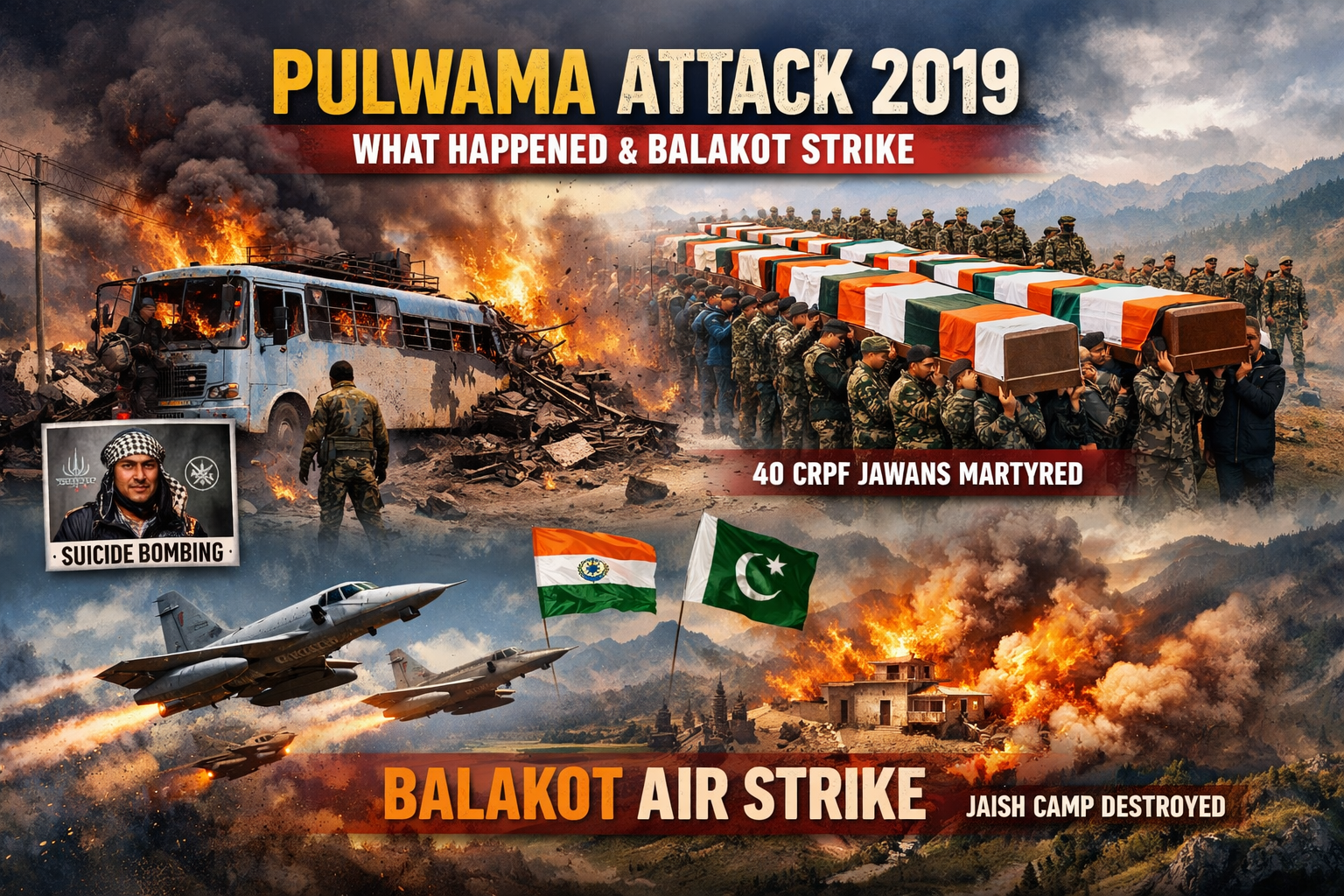
The terrorist attack which occurred on February 14 2019 in Pulwama district of Jammu and Kashmir resulted in the deadliest terrorist attack in India since its independence. The Nation mourned the loss of 40 CRPF personnel who died in the suicide bombing which left the country in shock and grief and anger. The security landscape of India changed after the Pulwama attack because the incident revealed ongoing terrorist dangers which required the nation to create new security measures and diplomatic strategies and strategic defense systems for protection against such threats.
The Attack: What Happened in Pulwama
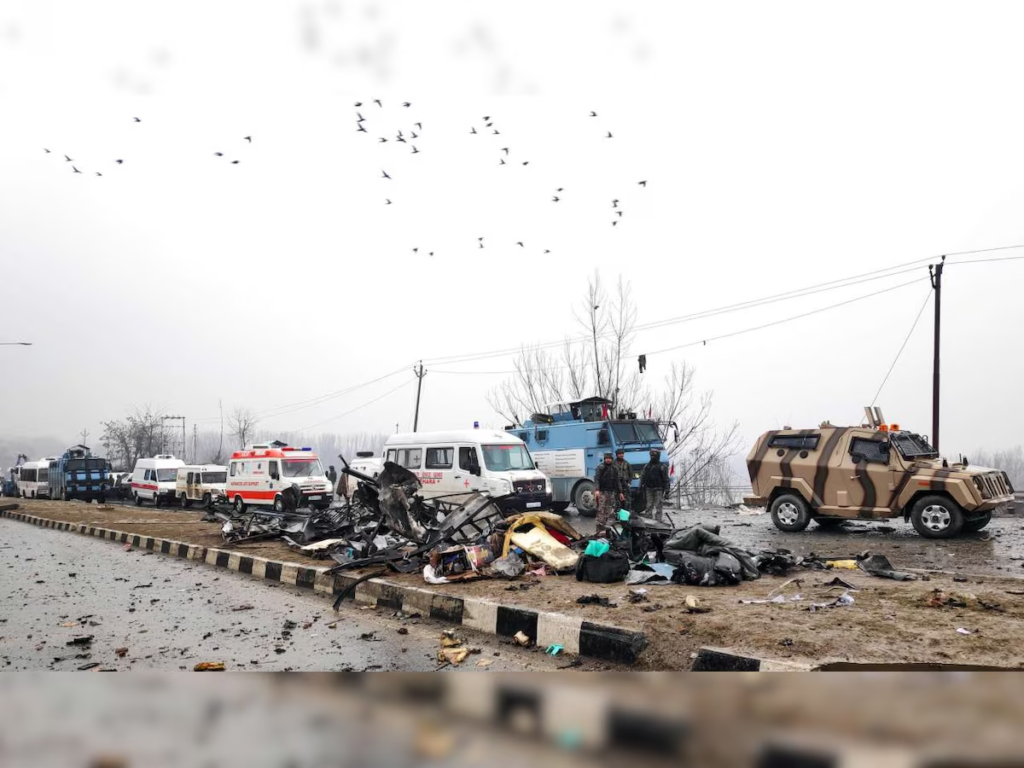
A CRPF convoy which consisted of more than 70 vehicles transported 2500 personnel along the Jammu–Srinagar National Highway during that afternoon. The personnel returned to their base in Srinagar after finishing their training and leave period. At 3:15 PM a suicide bomber crashed his explosive-filled vehicle into the convoy’s bus near Lethpora in Pulwama.
The explosion caused extensive damage to the area. The bus was completely destroyed and debris spread throughout the highway. The attack killed 40 soldiers instantly while multiple soldiers suffered from their battle wounds. The attack reached its most destructive point when it attacked Indian security forces in Kashmir with its most powerful strikes.
Responsibility and Terror Network
The attack received a claim of responsibility from Jaish-e-Mohammed terrorist group. The local youth from Pulwama named Adil Ahmad Dar who joined the terror organization months earlier became the suicide bomber. Indian intelligence agencies confirmed their long-held belief that terrorist groups utilized cross-border bases for their operational activities which enabled them to support militant groups in Kashmir.
The attack demonstrated the ongoing battle against local terrorist operations which receive global financial backing and operational guidance from international sources.
National Grief and Public Outrage
The Pulwama attack triggered an unprecedented wave of grief and anger across India. The city streets became a sound stage for anti-terrorism protests as people called for strict measures against the terrorists who perpetrated the attack. People gathered in various cities and towns and villages to participate in candlelight marches and memorial services and tribute events.
The government honored fallen soldiers by transferring their remains to their hometowns with full state honors. The country experienced profound sorrow after viewing images of families who grieved for their departed family members. The phrase “Shaheedon ko shraddhanjali” emerged as a widespread expression through media channels because the entire nation mourned its deceased heroes.
Government Response and Security Measures
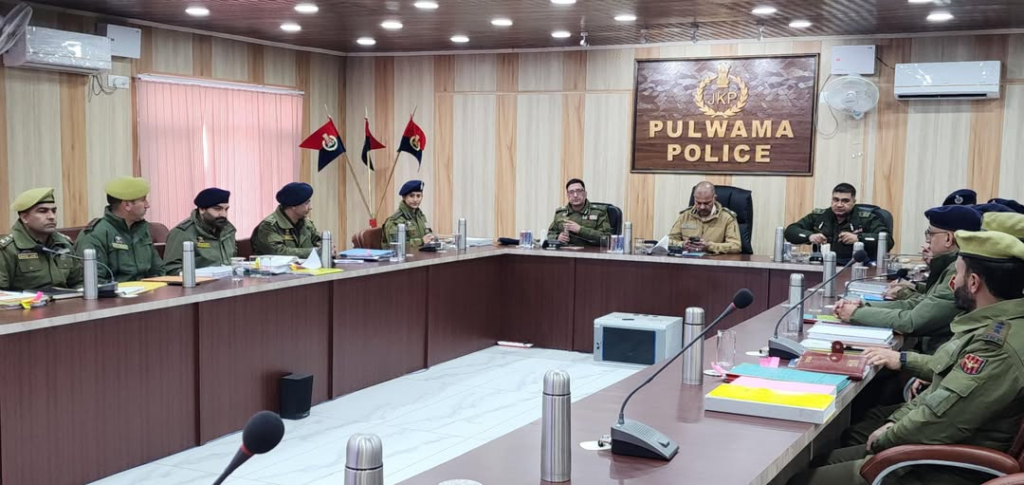
The Indian government was really upset about the attack. They want to make sure the people who did it get punished. The Indian government officials who are in charge of defense, intelligence and home ministries got together to talk about what to do. They had meetings to figure out how to keep everyone safe and make a plan to respond to the attack right away. The Indian government wants to make sure they do everything they can to stop something, like this from happening.
India has taken some steps. They have taken away the trade status that Pakistan had. This special status was called Favoured Nation trade status.
The government of India is also talking to countries to put pressure on Pakistan. They want to isolate Pakistan. They are doing this at international meetings and forums. India is doing all this to deal with Pakistan.
In addition, counter-terrorism operations were strengthened, particularly in the Jammu and Kashmir region. Authorities also reviewed and revised security protocols governing convoy movements and highway protection to prevent similar incidents in the future.
The Balakot Airstrikes
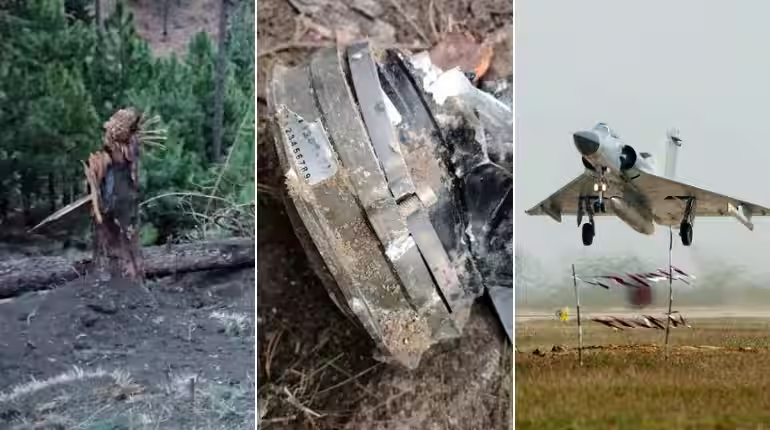
India started its airstrike mission on February 26 2019 by launching strikes against suspected terrorist training sites which it identified as located in Balakot Pakistan. The operation marked the first time since 1971 that Indian Air Force aircraft crossed the Line of Control to conduct operations against targets in Pakistan. The airstrikes delivered a powerful message to combat cross-border terrorism. The strikes established a fundamental shift in India’s counter-terrorism strategy because they marked the transition from strategic restraint to proactive deterrence which India established as its new defense strategy.
International Reactions
The world condemned the Pulwama attack for its violent actions. The US France UK and Russia joined other nations to support India while denouncing all forms of terrorism.
International pressure mounted to take action against terrorist groups operating in South Asia. The following months saw efforts to achieve global recognition of JeM chief Masood Azhar as a terrorist which finally reached success at the United Nations.
The attack prompted security forces to increase their operations against militant groups in Jammu and Kashmir. Intelligence-based operations achieved better results because they used intelligence to target high-ranking militants who needed elimination.
The incident raised critical questions about youth radicalization, unemployment, and the influence of extremist propaganda. Experts stressed that security measures need to combine with social and economic and political methods for permanent resolution of militancy root causes.
The Pulwama attack demonstrated how media and social platforms functioned during national emergencies. The responsible journalism system enabled accurate information sharing while misinformation and rumors plus inflammatory content still spread during that period.
Reporters needed to follow ethical reporting standards which required them to exercise restraint while they verified facts during critical situations that could endanger public safety and national defense.
The country observes February 14 annually as a day to honor the Pulwama martyrs. Their sacrifice stands as a reminder about the daily dangers that security personnel face while they protect the nation. Memorials, tributes, and moments of silence honor their courage and dedication.
The fallen soldiers’ families experience an irreplaceable loss that will stay with them forever. The nation will always remember their sacrifices through ongoing remembrance although compensation and honors cannot ease their pain.
The Pulwama attack represents a defining moment in India’s contemporary historical development. The event revealed security weaknesses which tested the national defense and led to changes in security and foreign relationship policies. The terrorist attacks resulted in nations working together to combat terrorism through combined international efforts.
The Pulwama attack serves as a solemn national reminder that security requires both armed forces and government protection while all citizens must remain vigilant and united to defend the country.