



When it comes to hot water, most of us rarely think twice about it unless it is available at the right time. But have you ever wondered if the water heater you are using is actually the best choice for your home? In India, where hot water usage varies with season, family size and daily routine, choosing the right water heater can have a significant impact on both comfort and cost.
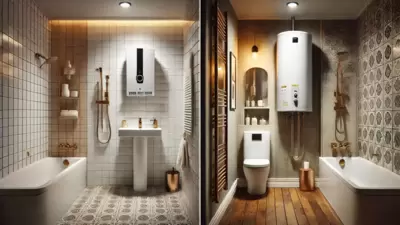
With two popular options, tankless and storage water heaters, how do you decide which is better for your needs? This decision is not as straightforward as it seems. While tankless heaters promise efficiency and space savings, storage heaters remain the reliable workhorse in many Indian homes. So, which one should you choose to meet your water heating needs while keeping your energy bills under control?
In this guide, we will explore the main differences between tankless and storage water heaters, focusing on their cost, performance and suitability for Indian homes. Ultimately, you’ll be able to make a more informed decision that best suits your home and lifestyle.
Main Differences Between Tankless and Storage Water Heaters
When it comes to purchasing the right water heater for your home, it is important to understand the functionality of both tankless and storage water heaters. Here is a description of their key differences:
1) Tankless water heater
How does this work:
Unlike storage water heaters, tankless water heaters, also known as on-demand heaters, do not store hot water. Instead, they heat water as it flows through the unit. This means you’ll never run out of hot water, and there’s no need to wait for the tank to refill.
Heating System:
Tankless heaters use electric elements or a gas burner to heat water instantly when needed. Because they only activate when there is demand for hot water, they are more energy-efficient, avoiding the constant heating and reheating of water like traditional models.
Example:
In a small house with low water usage, a tankless water heater works effectively. For example, in a small apartment with only one or two bathrooms, this heater can continuously provide hot water on demand without wasting energy. They are also ideal for homes where space is limited as they are compact and wall mounted.
Tankless water heater for instant hot water solution:
2) Storage Water Heater
How does this work:
Storage water heaters are the traditional choice. These units store a large amount of hot water in a large insulated tank, and keep it hot until you need it. Once the water is used up, the heater will need to refill and heat the tank.
Heating System:
Storage heaters keep the water inside the tank constantly warm by using an electric coil or gas burner. Although this ensures a continuous supply of hot water, it can lead to energy wastage, especially when the stored water is not used efficiently.
Example:
Storage water heaters are best suited for large families with high water demands. For example, in a household with multiple bathrooms or large appliances (such as a washing machine), a storage heater ensures that there is always enough hot water for everyone. It is also beneficial in areas where there are frequent power cuts, as the stored water can provide hot water for long periods of time even without power.
Storage water heater for reliable hot water supply:
Tankless vs storage water heater: Which one is better for Indian homes?
| features | tankless water heater | storage water heater |
| water use pattern | Ideal for homes with varying hot water needs, for example, showers and taps used intermittently | Best for homes with high, constant demand for hot water (for example, large families, multiple bathrooms in use simultaneously) |
| energy efficiency | More energy-efficient, heats water only when needed | Less energy-efficient due to constant heating and excess heat loss |
| water supply | Unlimited hot water as long as there is demand | Tank capacity is limited, once depleted it requires time to refill and warm up |
| Size and Design | Compact, wall mounted, space saving | Larger units require more space for installation |
| installation | Easy to install, usually mounted on walls | Requires more space, can be wall mounted or free standing |
| best for | Small house, low to moderate water use | Larger homes, higher water demands, or multiple users at once |
| maintenance | Requires periodic scaling, especially in areas with hard water | Regular maintenance for cleaning the tank and possibility of rusting |
| lifespan | Typically lasts 20+ years with proper maintenance | Average lifespan 10-15 years, but depends on tank material and maintenance |
| initial cost | Higher upfront costs due to advanced technology | Lower initial cost, more affordable upfront |
| operating costs | Low operating costs, as it only heats water on demand | High operating costs due to constant heating, especially if water is not used quickly |
| suitability for hard water | May be affected by mineral build-up, may require regular descaling | Less sensitive to mineral build-up but may accumulate sediment over time |
Suitability for Indian homes: Choosing the right water heater for your home
1. Family size and hot water needs
For larger households with higher water demands, such as multiple bathrooms or regular laundry needs, storage water heaters are ideal. These geysers provide a continuous supply of hot water even during peak usage times. For small families or individuals who need on-demand hot water, tankless water heaters are more suitable. They provide instant hot water without the need for storage, making them a convenient option for people with low usage.
Also read: Know how you can increase the lifespan of your geyser; A detailed guide
2. Climate Considerations
In cold regions such as northern India or high altitude areas, where demand for hot water is high, storage heaters are more efficient, as they can store large quantities of hot water for use in winter. In hot climates, such as southern or coastal areas, where the need for hot water is minimal, tankless heaters are more energy-efficient and provide on-demand hot water only when needed.
And the winner is clear: storage water heaters! When it comes to cost, performance and suitability for Indian homes, storage heaters take the lead. With their reliable hot water supply and large capacity, they are the preferred choice for larger families and colder regions. While tankless models offer efficiency, they are better suited for smaller homes. Ultimately, storage water heaters offer the right blend of value, reliability and performance for the diverse needs of Indian homes.
similar stories for you
Best Room Heater Brands in India: Top 10 Heating Solutions
Top room heaters: 10 premium options to match your tastes
Bajaj Room Heater: Choose from our top 10 options that guarantee warmth this winter
Small Room Heater for Bedroom: Top 9 Models 1500
FAQs on Tankless vs Storage Water Heater/Geyser:
- Which is better for a large family: tankless or storage water heater?
Storage water heaters are better for larger families due to their ability to supply continuous hot water.
- Are tankless water heaters more energy-efficient than storage heaters?
Yes, tankless water heaters are more energy-efficient because they heat water on demand, avoiding excess heat loss.
- Do storage water heaters require a lot of space?
Yes, storage water heaters require more space for the tank, making them less suitable for compact areas.
- Can tankless water heaters handle multiple hot water uses at once?
Tankless water heaters can be difficult to use multiple times at once, especially in larger homes.
- Which is cheaper to install tankless or storage water heater?
Storage water heaters are generally cheaper to install than tankless units, which may require more complex installation.
Disclaimer: At Hindustan Times, we help you stay updated with the latest trends and products. Hindustan Times has an affiliate partnership, so we may get a share of the revenue when you make a purchase. We will not be liable for any claims under applicable laws including but not limited to the Consumer Protection Act, 2019 in relation to the Products. The products listed in this article are in no particular order of priority.


