



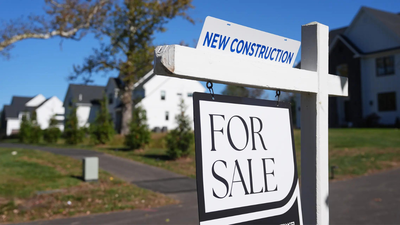
Borrowing costs for homebuyers in the US rose further this week, with the average long-term mortgage rate reaching its highest level in more than six months and adding pressure during the peak spring housing season.Mortgage buyer Freddie Mac said the benchmark 30-year fixed mortgage rate increased to 6.38% from 6.22% a week earlier. The rate was 6.65% at the same time last year. The latest level is the highest since September 4, when the average stood at 6.5%, AP reported.Rising mortgage rates typically translate into higher monthly repayments, reducing the purchasing power of prospective buyers. The increase follows a brief easing phase –just four weeks ago the average rate had dipped below 6% for the first time since late 2022 — before climbing again amid concerns that surging oil prices linked to the Iran war could keep inflation elevated.Rates on shorter-term home loans also moved higher. The average 15-year fixed mortgage, widely used by borrowers refinancing their loans, rose to 5.75% from 5.54% in the previous week. A year ago, the rate was 5.89%, Freddie Mac said.Mortgage pricing is shaped by several factors, including the Federal Reserve’s policy stance and investor expectations in the bond market regarding inflation and economic growth. Lenders generally track movements in the 10-year US Treasury yield while setting home loan rates.The yield on the 10-year Treasury note climbed to 4.39% at midday Thursday, compared with around 4.26% a week earlier. Bond yields have been rising as higher energy prices increase expectations of persistent inflation, pushing up long-term borrowing costs across the economy.Inflation concerns may also delay interest-rate cuts by the Federal Reserve. Although the central bank does not directly determine mortgage rates, its decisions on short-term rates influence bond markets. At its most recent policy meeting, the Fed chose to keep rates unchanged, with Chair Jerome Powell pointing to heightened uncertainty surrounding the economic outlook following the Iran war.The US housing market has been struggling since mortgage rates began climbing sharply in 2022 from pandemic-era lows. Sales of previously owned homes remained largely flat last year, hovering near a three-decade low, and have continued to show weakness this year, declining in both January and February compared with year-earlier levels.Affordability pressures remain a major challenge for buyers, even though price growth has moderated or fallen in several metropolitan areas. Wage gains have not kept pace with property values, limiting access to homeownership for many households.While the current mortgage rate is still lower than a year ago — potentially benefiting buyers who can manage higher borrowing costs — the recent uptrend has made many prospective purchasers cautious just as seasonal demand typically strengthens.Reflecting this hesitation, mortgage applications dropped 10.5% last week from the previous week, according to the Mortgage Bankers Association. Applications for both home purchases and refinancing declined.“Higher borrowing costs, affordability pressures and economic uncertainty are likely prompting some prospective buyers to delay purchase decisions,” MBA chief executive Bob Broeksmit said.


