



Where India’s development begins
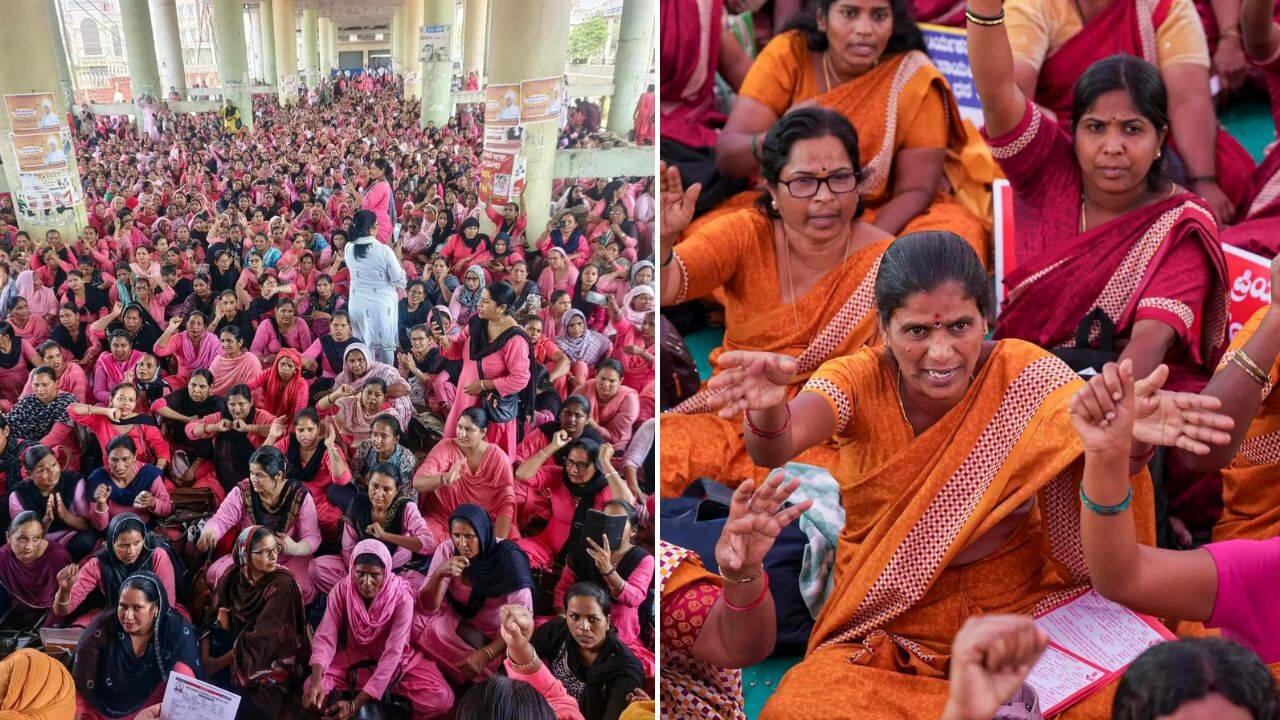
It is barely eight in the morning when Vimla Kumari begins what has become a familiar routine. Her household chores are complete, breakfast has been served, and her children have left for school. Slinging a cloth bag over her shoulder, she steps out carrying a register, health records and a mobile phone. Before the day ends, she may escort a pregnant woman to a health centre, convince hesitant parents to vaccinate their child, distribute iron tablets, identify a malnourished infant or accompany a woman in labour to a hospital several kilometres away.Across another village, Shyama Devi unlocks the Anganwadi centre long before children begin arriving. She sweeps the premises, arranges books and learning materials, checks food supplies and prepares for another day of songs, storytelling, nutrition counselling and growth monitoring. By afternoon, she will have weighed children, counselled mothers on breastfeeding, updated registers and coordinated with ASHA workers and Auxiliary Nurse Midwives (ANMs) to ensure that health and nutrition services reach every eligible beneficiary.One works from homes scattered across villages, the other from a modest community centre. Together, they represent the most visible face of governance in rural India. For millions of Indians, the first interaction with the state does not happen at a district office or a government hospital. It begins with an ASHA worker knocking on a door or an Anganwadi didi welcoming a child into her centre.Over the past decade, as India’s development strategy has increasingly shifted from women’s welfare to women-led development, these frontline workers have become the bridge connecting ambitious government programmes with the country’s most remote households. Beyond healthcare and nutrition, they are changing behaviour, creating awareness and ensuring that welfare schemes reach those who need them the most. Their work rarely attracts national attention, yet it quietly shapes healthier mothers, better-nourished children and stronger rural communities.
The first face of healthcare
When public discussions focus on India’s healthcare system, hospitals, doctors and medical technology often dominate the conversation. Yet in rural India, healthcare frequently begins much earlier, inside village homes.ASHA workers are usually the first to know when a woman becomes pregnant, when a newborn misses an immunisation schedule or when an elderly resident requires medical attention. They identify health risks early, encourage institutional deliveries, counsel mothers on nutrition and breastfeeding, monitor children and connect families with government health services. For many villagers, they are not merely health workers but trusted advisers whose guidance often carries more weight than official campaigns.For Vimla Kumari, an ASHA worker from rural Madhya Pradesh, the day starts long before she officially begins work.“My day begins around five in the morning. Before stepping out, I finish cooking for my family, prepare breakfast and make sure my children leave for school. By around eight, I begin visiting homes with my register, health records and mobile phone. Every day is different. Some days I accompany pregnant women to the nearest health centre for antenatal check-ups, while on others I ensure newborn babies and young children receive their routine vaccinations. I also visit families to explain why institutional deliveries, breastfeeding, proper nutrition and immunisation are so important.”
From maternal health to child nutrition, the women transforming village life
Her work, however, extends far beyond scheduled visits.“A large part of my work is counselling. Sometimes people hesitate to get vaccinated or are influenced by rumours. It often takes several visits and patient conversations to convince them. During emergencies, especially when a woman goes into labour at night, I help arrange transport and accompany her to the hospital. There have been times when I have travelled several kilometres on foot because vehicles were unavailable. We also identify children suffering from malnutrition, monitor high-risk pregnancies, distribute iron and folic acid tablets, promote sanitation and hygiene, and encourage families to use government health services.”Besides spending most of the day in the field, ASHA workers maintain detailed records, attend review meetings and coordinate with Anganwadi workers and ANMs to ensure beneficiaries are not missed.“Besides field visits, we maintain detailed records, attend review meetings and coordinate with Anganwadi workers and ANMs. The paperwork is just as important as the fieldwork because every beneficiary has to be tracked carefully. The work can be physically demanding, especially during the summer or monsoon, but when I see a healthy newborn, a fully immunised child or a mother who safely delivers her baby, I feel proud. For many families, we are the first point of contact with the healthcare system. Knowing that my work contributes to healthier mothers and children gives me the motivation to begin again every morning.”Her experience mirrors the responsibilities assigned to more than a million ASHA workers across the country. Research published in the European Economic Letters notes that ASHA workers have evolved well beyond their original role as community health volunteers. They now act as grassroots leaders who bridge the gap between formal healthcare systems and rural communities by promoting maternal and child healthcare, disease prevention and public awareness. The study also found that a larger frontline workforce is associated with better beneficiary coverage, underlining the importance of these women in delivering equitable healthcare.
More than an Anganwadi centre
If ASHA workers carry healthcare into villages, Anganwadi centres often become the first institution that shapes a child’s future.To many outsiders, an Anganwadi may appear to be a small government-run childcare centre. In reality, it performs several roles at once. It serves as a preschool, a nutrition centre, a counselling space for mothers and a focal point for community health programmes. Children receive supplementary nutrition, learn through stories and play, while mothers seek guidance on childcare, breastfeeding and healthy diets.For Shyama Devi, an Anganwadi worker from rural Madhya Pradesh, every working day begins before the first child arrives.“I am Shyama Devi, and I work as an Anganwadi worker in a village in Madhya Pradesh. My day starts early because the Anganwadi centre has to be ready before the children arrive. After finishing my household responsibilities, I reach the centre to clean the premises, arrange learning materials and supervise the preparation of nutritious meals. As children begin to arrive, we welcome them, help them settle down and engage them in activities such as storytelling, songs, drawing, counting and simple games that support their early learning and development.“
Inside the daily lives of the women connecting villages with government services
Her responsibilities continue well beyond classroom activities.“Throughout the day, we monitor every child’s growth by checking their height and weight and identifying those who may be undernourished. We provide supplementary nutrition and maintain detailed records for every beneficiary. Pregnant women and lactating mothers also visit the centre, where we counsel them on balanced diets, breastfeeding, complementary feeding and child care. We regularly organise Village Health, Sanitation and Nutrition Day activities in coordination with the ASHA worker and the ANM, ensuring that health and nutrition services reach everyone who needs them.“The work does not end when the children return home.“Our work is not limited to the centre. We conduct home visits to families whose children are absent for several days, follow up with severely malnourished children and encourage parents to send their children regularly. We also support government campaigns related to nutrition, immunisation and maternal health. Every day involves maintaining registers, updating beneficiary records and submitting reports. By the time I return home in the evening, I am often tired, yet I feel satisfied because I know our efforts make a real difference. When I see children becoming healthier, more active and confident, or when mothers tell me they have adopted healthier practices after our counselling sessions, it reminds me why this work matters. An Anganwadi centre is much more than a place where meals are served. It is where the foundation for a child’s health, nutrition and learning begins.”Her experience reflects how the Anganwadi ecosystem has evolved over the years. Under Saksham Anganwadi and Poshan 2.0, more than 1.03 lakh Anganwadi centres have been upgraded with improved infrastructure and smart learning tools, while over 10.58 lakh Anganwadi workers have received training in nutrition and Early Childhood Care and Education. The initiative combines supplementary nutrition, preschool education and maternal counselling, recognising that the earliest years of a child’s life are critical to long-term health and learning outcomes.
Where policy meets people
The success of India’s welfare programmes often depends less on policy announcements than on whether eligible families actually receive their benefits.Whether the objective is improving maternal health, reducing malnutrition or increasing institutional deliveries, someone has to identify beneficiaries, explain eligibility, complete documentation, encourage participation and follow up regularly. In villages across India, that responsibility usually falls on ASHA workers and Anganwadi didis.The Pradhan Mantri Matru Vandana Yojana (PMMVY) illustrates this relationship. The scheme provides financial assistance to eligible pregnant and lactating women linked to antenatal care and immunisation milestones. Since its launch, more than 4.92 crore women have enrolled, over 4.28 crore have received payments and more than ₹20,150 crore has been disbursed.Similarly, the Pradhan Mantri Surakshit Matritva Abhiyan has enabled more than 7.4 crore pregnant women to receive antenatal check-ups while identifying over one crore high-risk pregnancies for specialised monitoring. During this period, India’s Maternal Mortality Ratio declined from 130 per lakh live births in 2014-15 to 88 between 2021 and 2023.Hospitals may provide treatment, but it is these frontline workers who ensure women reach those hospitals in time, remain connected to the healthcare system throughout pregnancy and childbirth, and receive the support they need at every stage
Changing behaviour, one conversation at a time
The greatest contribution of ASHA workers and Anganwadi workers often cannot be measured through government dashboards or official reports. Their real impact lies in changing behaviour.A mother chooses institutional delivery instead of giving birth at home. Parents ensure their child completes the immunisation schedule. Families begin serving more nutritious meals. Pregnant women attend regular antenatal check-ups. Adolescent girls receive guidance on menstrual hygiene and nutrition. These changes rarely happen because of a government advertisement alone. They are built through repeated conversations inside village homes, patient counselling and years of trust between frontline workers and their communities.For workers like Vimla Kumari, this trust is earned one family at a time.“A large part of my work is counselling. Sometimes people hesitate to get vaccinated or are influenced by rumours. It often takes several visits and patient conversations to convince them. During emergencies, especially when a woman goes into labour at night, I help arrange transport and accompany her to the hospital. There have been times when I have travelled several kilometres on foot because vehicles were unavailable.“It is this constant engagement that transforms government schemes from policy announcements into real outcomes for rural families.
Building healthier beginnings
The first 1,000 days of a child’s life are widely recognised as the most critical period for physical and cognitive development. Across India, Anganwadi centres have become the foundation of that effort.Through Saksham Anganwadi and Poshan 2.0, the government has integrated supplementary nutrition, preschool education and maternal counselling under one umbrella. More than 1.03 lakh Anganwadi centres have been upgraded with improved infrastructure and learning tools, while over 10.58 lakh Anganwadi workers have been trained in nutrition and Early Childhood Care and Education. The programme also promotes dietary diversity, early identification of malnutrition and play-based learning through the Poshan Bhi Padhai Bhi initiative.
The women taking healthcare, nutrition and welfare to rural India
For Shyama Devi, these programmes simply formalise what she has been doing every day.“Throughout the day, we monitor every child’s growth by checking their height and weight and identifying those who may be undernourished. We provide supplementary nutrition and maintain detailed records for every beneficiary. Pregnant women and lactating mothers also visit the centre, where we counsel them on balanced diets, breastfeeding, complementary feeding and child care.”The impact extends far beyond nutrition. Anganwadi centres are increasingly becoming a child’s first classroom, introducing basic literacy, numeracy, communication and social skills long before formal schooling begins.
Preventing illness before it begins
Preventive healthcare has always been at the heart of the ASHA programme. Rather than waiting for illness to occur, ASHA workers spend much of their time identifying beneficiaries, raising awareness, encouraging timely treatment and ensuring families remain connected with government health services.One of the biggest examples is Mission Indradhanush, which has strengthened immunisation coverage through digital tracking on the U-WIN platform. By March 2026, more than 11.87 crore children and 3.96 crore pregnant women had been registered. More than 5.46 crore children and 1.32 crore pregnant women had received vaccinations, while over 8.73 crore women had also been screened for cervical cancer.Behind every vaccination record lies hours of fieldwork.ASHA workers identify eligible children, remind parents about vaccination schedules, address misinformation and ensure that those living in remote villages are not left behind. Their work is often invisible precisely because its greatest success lies in preventing illness before it occurs.
Beyond healthcare: Women leading development
The responsibilities of ASHA workers and Anganwadi workers today extend well beyond healthcare and nutrition. Increasingly, they have become the first point of contact for women seeking information about welfare schemes, financial inclusion and livelihood opportunities.Whether it is encouraging a pregnant woman to register for maternity benefits, helping a mother understand nutrition requirements or spreading awareness about sanitation, education and banking services, they are carrying governance to the country’s last mile.This reflects the government’s broader vision of women-led development, where women are seen not merely as beneficiaries of welfare schemes but as participants in economic growth, leadership and community development.That transformation is also visible through the Deendayal Antyodaya Yojana–National Rural Livelihood Mission (DAY-NRLM), now one of the world’s largest women-led livelihood programmes. Operating across more than 7,600 blocks, it has built a network of 1.51 crore community cadre members. Women’s Self Help Groups have collectively accessed more than ₹12.18 lakh crore in bank credit, supported by over 50,000 Bank Sakhis who help women access banking services in villages.Building on this network is the Lakhpati Didi initiative, which aims to help women achieve annual incomes exceeding ₹1 lakh through sustainable livelihood activities. Today, the programme spans 34 States and Union Territories, 757 districts, nearly six lakh villages and more than 93 lakh Self Help Groups, involving over 10 crore women. While ASHA workers and Anganwadi workers may not directly implement these programmes, they are often the first to inform rural women that such opportunities exist.
Leadership built on trust
Unlike elected representatives or government officials, ASHA workers and Anganwadi didis derive their authority not from administrative power but from familiarity and trust.They know which child has missed a vaccination, which family requires nutrition support, which pregnant woman needs urgent medical attention and which elderly resident lives alone. Years of repeated interaction transform them into trusted advisers rather than simply government workers.Academic research increasingly supports this reality. A study published in the European Economic Letters describes ASHA workers as grassroots leaders who strengthen community engagement and improve access to healthcare. It found a strong positive relationship between the availability of frontline workers and beneficiary coverage, suggesting that expanding this workforce directly improves equitable healthcare delivery.
The challenges behind the commitment
Despite their expanding responsibilities, frontline workers continue to face significant challenges.Studies point to delayed incentives, inadequate remuneration, heavy workloads and limited job security. Many workers travel long distances on foot, often without access to drinking water or toilets during field visits. Research has also documented instances of emotional and physical violence faced by ASHA workers while carrying out their duties.Yet, for women like Vimla Kumari and Shyama Devi, the rewards often outweigh the hardships.“The work can be physically demanding, especially during the summer or monsoon, but when I see a healthy newborn, a fully immunised child or a mother who safely delivers her baby, I feel proud. For many families, we are the first point of contact with the healthcare system.” – Vimla Kumari“By the time I return home in the evening, I am often tired, yet I feel satisfied because I know our efforts make a real difference. An Anganwadi centre is much more than a place where meals are served. It is where the foundation for a child’s health, nutrition and learning begins.” – Shyama Devi
The foundation of Viksit Bharat
India’s aspiration of becoming a developed nation by 2047 rests not only on economic growth but also on healthier mothers, well-nourished children and empowered women. Those outcomes are built not only through policies announced in New Delhi but also through countless conversations held inside village homes.The ASHA worker persuading a family to choose institutional delivery.The Anganwadi didi teaching preschool children through songs and stories.The counsellor explaining balanced nutrition to a first-time mother.The community leader encouraging women to access welfare schemes and livelihood opportunities.Together, these women represent one of India’s largest grassroots public service networks. They ensure that healthcare, nutrition, education and welfare reach communities that formal institutions alone cannot always access.Their work rarely makes headlines. Yet it is reflected in declining maternal mortality, expanding immunisation coverage, stronger early childhood development and growing participation of women in public life.
Share your thoughts in the comments
Be respectful · TOI community guidelines
For millions of rural families, governance does not arrive through policy documents or speeches. It arrives with a familiar knock on the door.More often than not, that knock comes from an ASHA worker or an Anganwadi didi carrying not just a register or a weighing scale, but the promise that development can truly reach India’s last mile.


