The ‘One BLCK’ membership offers a range of exclusive benefits including food delivery, quick commerce, subscriptions and dining out.
Online food ordering and delivery company Swiggy India on Wednesday unveiled its new ‘invite only’ premium membership, ‘One BLCK.’ According to the company, the new scheme is designed to cater to customers who demand the highest level of service, speed, and personalised care.
The ‘One BLCK’ membership will be available by invitation only.
The ‘One BLCK’ membership, which offers a range of exclusive benefits across Swiggy’s various services, including food delivery, quick commerce, and dining out, will be available by invitation only.
“Swiggy One BLCK is the business-class equivalent for our customers, refining key aspects that matter to premium users—speed, reliability, and personalized care. With this launch, we are setting a new benchmark for premium memberships in the industry,” said Phani Kishan, Co-founder and CGO of Swiggy.
Swiggy’s ‘One BLCK’ membership: All you need to know
The ‘One BLCK’ membership is available at an introductory price of INR 299 for a three-month plan.
Invitations will be rolled out gradually to select users across India, and existing Swiggy One members can upgrade to this exclusive service.
One of the standout features of One BLCK is the promise of faster food deliveries, complemented by an On-Time Guarantee, ensuring that members’ orders arrive promptly.
Members dining out will enjoy complimentary perks such as cocktails, drinks, or desserts.
The membership also provides priority customer service, with direct access to Swiggy’s top customer care agents for personalized support.
One BLCK builds on the benefits of Swiggy’s existing Swiggy One membership, offering unlimited free deliveries on both food orders and Instamart purchases.
Members will also receive exclusive discounts on food delivery and dining services through Dineout.
Why ‘One Blck’ membership is different from other memberships
Setting it apart from other memberships, One BLCK will bring industry-first benefits and will provide customers with exclusive perks from top brands like Amazon Prime, Hotstar, Hamleys, and Cinepolis.
Notably, as part of its launch initiative, Swiggy will also a complimentary Yatra Prime membership to new One BLCK members.
Stay updated with the…
See more
News/Business/ Swiggy launches ‘invite only One BLCK’ premium membership with industry-first benefits: All you need to know
In just two weeks, Syrian rebels have swept from their enclave in the north west to capture a string of major cities, before reaching the capital Damascus and toppling President Bashar al-Assad, 13 years after the start of the country’s civil war.
In convoys of small vehicles and motorbikes, fighters led by the rebel group Hayat Tahrir al-Sham (HTS) moved rapidly along the north-south highway which forms the country’s main spine to take Damascus without resistance.
But while many in the country are celebrating the downfall of a family dynasty that ruled Syria with an iron fist, the future is uncertain and the situation on the ground remains in flux, with a number of different rebel groups controlling different parts of the country.
Who controls what territory in Syria?
The fall of the Assad regime was brought about by the sudden and unexpected advance by HTS rebels but, although the group controls Syria’s main cities, it does not govern the whole country.
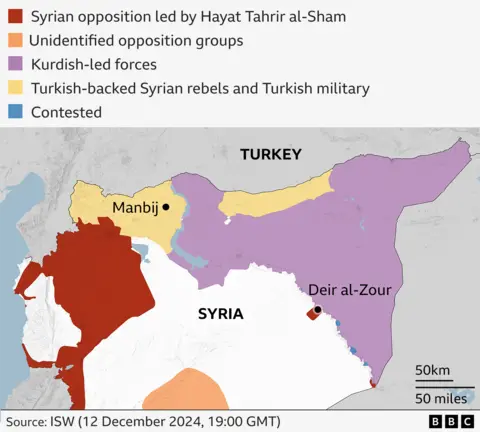
Syria has for years been controlled by a patchwork of rebel groups including HTS in Idlib and Kurdish-led groups in the country’s north east, some of which have also taken territory in recent days and weeks.
None of the rebel groups will mourn the falling of the Assad regime, but finding a consensus over how to run the country could still prove difficult and in the north of the country there have been clashes between competing factions.
How did the rebels reach Damascus?
After years locked behind frozen frontlines, the rebels mounted a lightning advance, culminating in the toppling of the president and takeover of the capital at the weekend.
After taking Syria’s second city Aleppo at the end of November, the rebels continued their offensive, moving south to take control of the city of Hama last Thursday.
The advance continued at pace, and on Saturday the rebels swept through Syria’s third city, Homs, facing little resistance and pushed straight on to the capital Damascus.
By Monday morning, it was confirmed that President Assad had fled the country, with Russian news sources reporting he had been given asylum in Russia.
Map: Where is Syria and how are its neighbours involved?
Syria, with a population of about 22 million people, is located on the east coast of the Mediterranean sea. It borders Turkey to the north, Lebanon and Israel to the west and south west, Iraq to the east and Jordan to the south.
Turkey, Western powers and several Gulf Arab states have backed varying elements of the Syrian opposition to varying degrees during the conflict.
The Lebanon-based Hezbollah movement, backed by Iran, has fought alongside the Syrian regime army but has been severely weakened by its conflict with Israel. This has been seen as a key reason why the rebel advance was so successful.
Israel, concerned by what it calls Iran’s “military entrenchment” in Syria, has launched air strikes against Syria’s military.
How has Israel responded?
Israeli warplanes have reportedly been carrying out hundreds of airstrikes across Syria, targeting Syrian Army military facilities, including weapon warehouses, ammunition depots, airports, naval bases and research centres.
The UK-based Syrian Observatory for Human Rights (SOHR) says it has documented more than 350 strikes by Israel since the fall of the Assad regime on Sunday, including on the capital, Damascus, Aleppo and Hama.
The Israel Defense Forces (IDF) claims it has destroyed around 80% of the Assad regime’s military capability, though that figure has not been independently verified.
Israel says its actions are to prevent weapons falling “into the hands of extremists” as Syria transitions into a post-Assad era.
Images showing destruction reportedly caused by Israeli air strikes in the last few days on military targets in Syria.
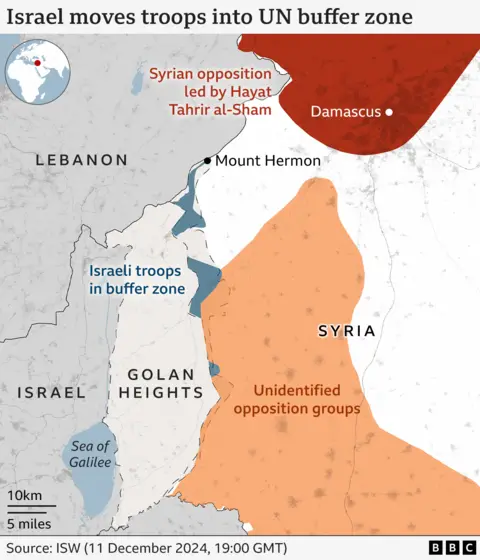
Israel also says it has temporarily seized control of a demilitarized buffer zone in the Golan Heights, saying the 1974 disengagement agreement with Syria had “collapsed” with the rebel takeover of the country.
The Golan Heights is a rocky plateau about 60km (40 miles) south-west of Damascus.
Israel seized the territory from Syria in the closing stages of the 1967 Six-Day War and unilaterally annexed it in 1981. The move was not recognised internationally, although the US did so unilaterally in 2019.
What is happening in northern Syria?
In the northern city of Manbij there have been clashes between Turkish-backed forces and Kurdish-led rebels.
Both sides claimed to have taken parts of the city and fighting is reported to be ongoing in some neighbourhoods.
The Euphrates river acts as a dividing line between the territory controlled by the Turkish-backed groups in the west and the Kurdish-led forces in the east.
Russian bases in Syria
In 2015, Russia sent thousands of troops to Syria to help keep President Assad in power.
In return for this military assistance, Russia was given 49-year leases on two key military bases.
The port at Tartous is Russia’s only major overseas naval base and also its only naval base in the Mediterranean.
Along with the air base at Hmeimim, which is often used to fly Russia’s military contractors in and out of Africa, the two bases play an important role in Russia’s ability to operate as a global power.
The Kremlin has said it will hold discussions with Syria’s new administration on the future of both sites.
In the meantime, Russian ships have left the port and are anchored just off the coast.
UIDAI recommends updating Aadhaar Card details once every decade to maintain accuracy.
Aadhaar card free update deadline: The UIDAI has announced that Aadhaar cardholders have the opportunity to update their information without any charges through the myAadhaar portal. This service will remain free until the specified deadline. Those who have changed their residence or moved to a different city must ensure their Aadhaar card records reflect these changes. The authority recommends updating details once every decade to maintain accuracy. Current information in the database ensures efficient service delivery and precise Aadhaar-based verification.
What is the Aadhaar Card Free Update Deadline?
The free online update service through the myAadhaar portal will continue until December 14, 2024. Following this date, any modifications made at physical Aadhaar centres will require payment of a fee. For document submission, residents can access the Bhuvan Aadhaar Portal. The portal offers two convenient ways to locate nearby centres: users can either use the ‘Centres Nearby’ option and input their location information, or they can simply enter their PIN code in the designated search field to find Aadhaar centres in their vicinity. The mAadhaar app currently offers limited update capabilities, according to an ET report. As per UIDAI’s official statement: “The facility to update demographic details such as Name, DoB, mobile number are not available in the mAadhaar app. Only address update via document facility is currently available. However the demographics updates features may be included in future releases.” Aadhaar Card Update Charges
(1) Biometric update: Update of enrolled biometrics(fingerprint, iris and photo)
(i) If done once between the age of 5to7 years: Free
(ii) If done once between the age of 15 to 17 years: Free
(iii)If done otherwise: ₹100
(2) Demographic update: Update of enrolled name, gender, date of birth, address, mobile number or email address, Or any combination of the same
(i)If done at the same time as biometric update: Free
(ii)If done separately: ₹50
(3) Document update: Submission of documents as proofs of identity and address, in support of the name, gender, date of birth and address as enrolled
(i) Using myAadhaar portal (https://myaadhaar.uidai.gov.in/du) :Free (till 14.12.2024)
(ii) At Aadhaar centre:₹50
To modify your Aadhaar Card details through the online portal, follow these steps: 1. Access myaadhaar.uidai.gov.in 2. Select ‘Login’, input your Aadhaar number and captcha code, then request OTP. Once received, enter the OTP and proceed with login. 3. Choose ‘Document Update’ 4. Review the provided guidelines and proceed 5. Confirm the accuracy of details by ticking the verification box 6. Submit your identity and address proof documents Upon completion, you will receive a Service Request Number (SRN) through email for tracking your update request status.
IRCTC Ticket Cancellation Charges: Now, Samajwadi Party MP Iqra Choudhary questioned Railways Minister Ashwini Vaishnaw in the Lok Sabha about levying cancellation charges for waitlisted tickets and asked if the Railways plans to do away with the charges.
If you are fond of cooking, then you must have a metal pan in your kitchen. From making crispy dosas to making fluffy pancakes, a high-quality tawa can really enhance your cooking experience. With so many options available, choosing the right one can be overwhelming. That’s why we’ve researched and compared the top 10 metal griddles available in 2024, making sure you have all the information you need to make an informed choice. Whether you prefer the traditional durability of cast iron, the sleekness of stainless steel, or the convenience of a non-stick surface, we’ve got you covered.
Make your cooking perfect with a metal pan.
Our inventory includes griddles that suit different cooking styles and preferences, helping you find the perfect match for your kitchen. Read on to learn detailed reviews, product features, and the advantages and disadvantages of each option, so you can choose the ideal metal pan for your cooking needs.
Rock Tawa Pre-Seasoned Cast Iron Skillet is a versatile and durable choice for all your cooking needs. Its pre-seasoned surface ensures even heat distribution and excellent heat retention. With a diameter of 10 inches, it is perfect for making dosas, pancakes and more. This tawa is compatible with all heat sources including induction cooktops.
Specifications of Rock Tawa Pre-Seasoned Cast Iron Skillet
10 inch diameter
Pre-cooked for non-stick cooking
Compatible with all heat sources
even temperature distribution
excellent heat retention
reason to buy
reasons to avoid
Versatile and durable
May need to be re-seasoned over time
Pre-cooked for non-stick cooking
The Prestige Non-Stick Induction Base Tawa has a non-stick surface for easy cooking and cleaning. Its induction base ensures fast and even heating, making it ideal for a variety of dishes. Measuring 28 cm in diameter, this tawa is dishwasher safe and easy to maintain.
Specifications of Prestige Non-Stick Induction Base Tawa
28 cm diameter
non-stick surface
Induction base for fast and even heating
dishwasher safe
easy to maintain
reason to buy
reasons to avoid
non-stick surface
can scratch easily
Induction base for fast heating
Prestige Cast Iron Dosa Tawa is perfect for making crispy dosas and delicious crepes. Its cast iron construction ensures excellent heat retention and durability. With a 28 cm diameter, this tawa is suitable for all heat sources including induction cooktops.
Vinod Anodized Concave Tawa is made of high-quality aluminum with non-stick coating, making it perfect for everyday cooking. Its concave shape is ideal for making puffed rotis and phulkas. With 28 cm diameter and sturdy handle, this tawa is easy to use and maintain.
Specifications of Vinod Anodized Concave Tawa
28 cm diameter
high quality aluminum construction
non-stick coating
Concave shape for rotis and phulkas
Strong handle for easy use
reason to buy
reasons to avoid
high quality aluminum construction
May not be suitable for induction cooktops
non-stick coating
Solara Cast Iron Tawa is a traditional and reliable choice for all your cooking needs. Its 30 cm diameter provides ample space for cooking various dishes. With excellent heat retention and even heating, this tawa is suitable for all heat sources including open flame and induction cooktops.
Specifications of Solara Cast Iron Tawa
30 cm diameter
traditional cast iron construction
excellent heat retention
even heating
Suitable for all heat sources
reason to buy
reasons to avoid
traditional and reliable
May require regular maintenance
excellent heat retention
Hawkins Stainless Steel Honeycomb Tawa features a unique honeycomb pattern for even heat distribution and superior cooking performance. Its 26 cm diameter and induction base makes it suitable for a wide variety of dishes. This griddle is easy to clean and maintain, making it a great addition to any kitchen.
Specifications of Hawkins Stainless Steel Honeycomb Tawa
26 cm diameter
stainless steel construction
Honeycomb pattern for even heat distribution
Induction base for versatile use
Easy to clean and maintain
reason to buy
reasons to avoid
unique honeycomb pattern
There may be a risk of scratching
Induction base for versatile use
Vismayus Pure Copper Tawa is a premium option for those who prefer traditional cooking methods. Its unique design and smooth edges make it ideal for making chapattis and parathas. With a 10-inch diameter and sturdy construction, this tawa offers excellent heat conductivity and durability.
Specifications of Vismayus Pure Copper Tawa
10 inch diameter
pure copper manufacturing
Unique design and smooth edges
excellent thermal conductivity
strong and durable
reason to buy
reasons to avoid
Constructed of premium pure copper
May require regular polishing
excellent thermal conductivity
VISMAYS Traditional Hammered Lohakhand Mathar is an excellent choice for authentic Indian cooking. Its traditional hammered design and sturdy construction makes it perfect for making rotis and parathas. With a 10 inch diameter and unique finish, this tawa adds a rustic charm to your kitchen.
Specifications of VISMAYS Traditional Hammered Lohakhand Mathar
The Bergner Eco Cast Iron Pre-Seasoned Griddle is a sustainable and eco-friendly option for the modern kitchen. Its pre-conditioned surface and cast iron construction ensures excellent heat distribution and retention. With a 28 cm diameter and ergonomic handle, this tawa is a versatile and reliable option.
Specifications of Bergner Eco Cast Iron Pre-Seasoned Tawa
28 cm diameter
eco-friendly cast iron construction
Pre-cooked for non-stick cooking
excellent heat distribution
Ergonomic handle for easy use
reason to buy
reasons to avoid
Sustainable and eco-friendly
May need to be re-seasoned over time
Pre-cooked for non-stick cooking
Nakshatra Metals Indian Design Dosa Tawa is a stylish and functional choice for the modern kitchen. Its double handle design and 28 cm diameter makes it perfect for making crispy dosas and uttapams. With unique Indian design and high-quality construction, this tawa adds a touch of elegance to your cooking.
Specifications of Nakshatra Metals Indian Design Dosa Tawa
Vinod Anodized Concave Tawa offers the best value for money with its high-quality aluminum construction, non-stick coating and concave shape for making rotis and phulkas. Its 28 cm diameter and sturdy handle make it a versatile and reliable choice for everyday cooking.
Rock Tawa Pre-Seasoned Cast Iron Skillet stands out as the best overall product with its versatile and durable design, pre-seasoned non-stick surface and compatibility with all heat sources. Its 10 inch diameter makes it suitable for making dosas, pancakes and more.
Keep the following things in mind when choosing the best metal tawa:
Material: Choose the material that suits your needs – cast iron for durability, stainless steel for smoothness, or non-stick for easy cleanup.
size: Choose a pan that suits your cooking space and can comfortably hold your food, like dosa or pancake.
heat distribution: Look for a pan with even heat distribution to ensure consistent cooking and avoid hotspots.
handle: Make sure the handle is heat resistant, comfortable and securely attached for easy handling during cooking.
maintenance: Consider how easy the griddle is to clean and maintain, especially with non-stick or cast iron options.
The price range of these metal pans varies from Rs. 500 to Rs. 3000 depending on brand, size and material.
Are these metal pans suitable for induction cooktops?
Yes, most of these metal pans are suitable for induction cooktops, including Rock Tawa, Prestige Non-Stick Tawa, and Hawkins Stainless Steel Tawa.
Do these pans require seasoning for maintenance?
Yes, tawas made of cast iron or pure copper may require seasoning for maintenance, such as the Prestige Cast Iron Dosa Tawa and Vismeys Pure Copper Tawa.
Can these pans be used to make rotis and parathas?
Yes, tavas with concave shapes or traditional designs are suitable for making rotis and parathas, like Vinod Anodized Concave Tawa and Vismay Traditional Hammered Lohakhand Mathar.
Disclaimer: At Hindustan Times, we help you stay updated with the latest trends and products. Hindustan Times has an affiliate partnership, so we may get a share of the revenue when you make a purchase. We will not be liable for any claims under applicable laws including but not limited to the Consumer Protection Act, 2019 in relation to the Products. The products listed in this article are in no particular order of priority.
Indian chess prodigy Gukesh Dommaraju has become the youngest world chess champion ever after defeating defending champion Ding Liren of China.
Gukesh’s win on Thursday came in the last game of the 14-game World Chess Championship in Singapore. The otherwise cricket-crazed India is jubilant at the 18-year-old’s victory.
Here is more about Gukesh, and how he clinched the world title:
Who is Gukesh?
Gukesh comes from Chennai, the capital of the southern Indian state of Tamil Nadu. He attended Chennai’s Velammal Nexus School.
He started playing chess at the age of seven, Gukesh said in an interview uploaded in 2019 by the Gibraltar International Chess Festival.
“Chess is so complex, so I just love it,” Gukesh said in the video. “I want to become a world champion.”
By the age of 12, Gukesh had become a grandmaster – the highest title a chess player can attain – making him the third-youngest grandmaster in history and the youngest one from India.
Gukesh sees beauty and philosophy in pawns, bishops and boards. A YouTube video uploaded by the chess news publication ChessBase India shows the shelves of his room in his Chennai house stacked with trophies and chess books, such as Under the Surface by Jan Markos and Yochanan Afek’s Practical Chess Beauty.
Chennai has come to be known as the chess capital of India. Out of the 85 chess grandmasters in India, 31 are from Tamil Nadu. The state is even home to a temple dedicated to the game
Is he the youngest world chess champion?
Yes.
Before Gukesh, Russian legend Garry Kasparov was the youngest to become world champion at the age of 22 in 1985.
How did Gukesh win?
Gukesh qualified for the championship in April by winning the men’s Candidates Tournament of the International Chess Federation (FIDE). He was the youngest candidate to win the Candidates Tournament.
He competed against seven other contestants in the event held in April in Toronto, Canada. The winner of the double round-robin tournament goes on to challenge the defending champion for the world title.
Ding, 32, became world champion in 2023. Starting November 25, Gukesh and Ding faced off over 14 intense games.
In chess, a player wins one point for a win and half a point for a draw.
Ding went into the lead by winning the first game. The second round ended in a tie.
Gukesh won the third game, tying things up with Ding at 1.5 each. They remained tied for multiple games, drawing each of them.
In the 11th game, Gukesh, playing with white, took the lead after Ding made a blunder. But Ding bounced back by winning the 12th game, levelling the playing field once again. The 13th game resulted in a draw.
The winning moment
Gukesh played with black in the 14th and final game. Midway through, a draw appeared imminent. But Ding made the mistake of moving his last powerful piece, his rook, off a strong position. Ding’s mistake took Gukesh by surprise, and he looked intently at the board and calculated his next moves.
Ding, left, and Gukesh compete in game 14 of the 2024 FIDE World Championship in Singapore on December 12, 2024 [Simon Lim/AFP]
After realising his mistake, Ding was visibly disappointed and resigned three moves later, conceding the world champion title to Gukesh.
“It took me a while to realise I blundered. … I think I played my best tournament in the year.
“I could be better, but considering yesterday’s luck, it’s a fair result to lose in the end. I have no regrets,” Ding said at a news conference after the game, saying he would continue to play chess.
[Simon Lim/AFP]
When Gukesh realised he had won, he broke into tears. Speaking to reporters after the game, Gukesh said he initially did not realise Ding’s blunder but when he did: “It was probably the best moment of my life.”
Gukesh reacts after winning. [Simon Lim/AFP]
Gukesh said Ding “fought like a true champion”.
Who are the earlier 17 champions?
Wilhelm Steinitz: Born in Prague, Steinitz was the first official world champion, grabbing the title in 1886 and holding it for eight years over four championships.
Emanuel Lasker: Born in Prussia in what is today Poland, Lasker won the title in 1894 and held it over six championships.
Jose Raul Capablanca: Hailing from Cuba, Capablanca won the title in 1921.
Alexander Alekhine: The Russian who obtained French citizenship won the title first in 1927 and three times after that.
Max Euwe: The Dutch mathematician won the title in 1935.
Mikhail Botvinnik: The Russian won the title five times, first in 1948.
Vasily Smyslov: The Russian became world champion in 1957.
Mikhail Tal: The Latvian became world champion in 1960.
Tigran V Petrosian: The Armenian remained world champion from 1963 to 1969.
Boris Spassky: The Russian became world champion in 1969.
Bobby Fischer: The American became world champion in 1972.
Anatoly Karpov: The Russian held the title from 1975 to 1985, winning five times.
Garry Kasparov: The Russian held the title from 1985 to 2000, winning six times.
Vladimir Kramnik: The Russian held the title from 2000 to 2007, winning three times.
Viswanathan Anand: The first grandmaster and world champion from India won the title in 2007 and held it until 2013, winning four times.
Magnus Carlsen: The Norwegian grandmaster won the title in 2013 and held it until 2023.
Ding: The Chinese grandmaster held the title of world champion for 20 months after winning it in April 2023.
What are the reactions to Gukesh’s win?
Indian Prime Minister Narendra Modi: Modi posted on X on Thursday: “This is the result of his unparalleled talent, hard work and unwavering determination.
Indian opposition leader Rahul Gandhi: Gandhi also posted on X: “Gukesh, you’ve made all of India proud!”
Gukesh, you’ve made all of India proud! At just 18, becoming the youngest-ever World Chess Champion is a phenomenal achievement.
Your passion and hard work remind us that with determination, anything is possible. Congratulations, champ! pic.twitter.com/wcK4YZmVB9
Anand: The first Indian world champion, who has mentored Gukesh and several other young Indian chess stars. posted on X: “It’s a proud moment for chess, a proud moment for India … and for me, a very personal moment of pride.”
Congratulations! It’s a proud moment for chess, a proud moment for India, a proud moment for WACA, and for me, a very personal moment of pride. Ding played a very exciting match and showed the champion he is.@FIDE_chess@WacaChesspic.twitter.com/o3hq26JFPf
From former champion Kasparov to the CEO of Google and Alphabet, Sundar Pichai, Gukesh received congratulatory messages on X from a range of public figures.
The world of cricket wasn’t untouched either.
The major cricket franchise from his hometown, the Chennai Super Kings, congratulated the young champion in a post on X on Thursday:
Gukesh also got a shoutout from former Indian cricket captain Sachin Tendulkar, who is widely regarded as one of the greatest batsmen in the sport’s history. He wrote in an X post that Gukesh is “now guiding the next wave of Indian chess prodigies”.
In a game of 64 squares, you’ve opened a world of endless possibilities. Congratulations, @DGukesh, on becoming the 18th World Champion at just 18! Following in Vishy’s footsteps, you’re now guiding the next wave of Indian chess prodigies. 🇮🇳♟️🏆 pic.twitter.com/3kPCzGEv1d
When it comes to getting healthy, shiny and manageable hair, a good conditioner can play an important role. This hair care product can help maintain the health of your hair by moisturizing it, detangling it, and improving its texture. Whether your hair is dry, oily, wavy or straight, choosing the right hair conditioner made for your specific needs can have a significant impact on the way your hair looks and feels. If you’re unsure about how to choose a hair conditioner, this guide can help you get a better understanding of the product and choose the right conditioner.
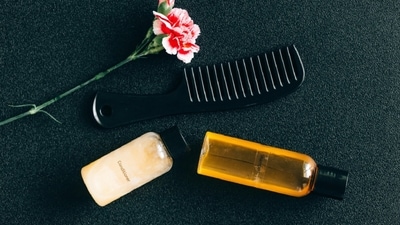
Add the right hair conditioner to your routine for smooth and silky hair.(Pexels)
What is hair conditioner?
“Hair conditioner is a product that is applied after shampooing to restore moisture, detangle and improve texture,” says Dr. Nirupama Parvanda, dermatologist and founder of Jolie Skin Clinic. While shampoo removes dirt, oil, impurities and product build-up, hair conditioner replenishes essential nutrients and moisture, leaving your hair smooth, soft and easy to style. It works by coating the hair shaft with a thin film of ingredients that smooth the cuticle layer, which can help protect your hair from damage caused by environmental factors, chemical treatments, and heat styling.
Benefits of hair conditioner
The benefits of hair conditioner go beyond making your hair soft. It helps to replenish the moisture stripped during the shampooing process. “When you use conditioner, your hair receives vital hydration and nutrients. It hydrates, softens and manages dry, damaged hair,” says Dr. Parwanda. This hair care product can smooth hair cuticles, reduce frizz and make your hair shiny and healthy. Additionally, conditioners for dry hair can also protect hair from damage caused by UV rays, pollution, and heat styling. Regular use of the right conditioner for women can improve the texture and appearance.
Choosing a hair conditioner with the right ingredients can make a noticeable difference to the health and appearance of your hair. Dr. Parwanda suggests looking for ingredients like proteins, vitamins, and natural oils.
1. Natural Oil: Ingredients like argan oil, coconut oil and jojoba oil can provide deep moisture and nourishment to the hair. They can penetrate the hair roots and help restore moisture while protecting against protein loss.
2. Protein: Using products containing keratin, silk protein and wheat protein can help strengthen the hair roots and prevent breakage. They can also add smoothness and shine while improving elasticity and preventing damage from styling tools.
3. Aloe Vera: It is a natural hydrating agent that can soothe both the scalp and hair. Due to its anti-inflammatory properties, it can help moisturize the hair without leaving it greasy.
4. Shea Butter: This rich emollient is known for its moisturizing properties, which can help reduce hair fall. It contains vitamins A and E, making it ideal for dry, thick or curly hair.
5. Panthenol (Vitamin B5): This humectant can help draw and retain moisture in the hair. It can also make hair thicker and fuller, making it feel thicker and healthier.
6. Glycerine: It is a natural humectant that can help hair retain moisture. It can attract water from the air and lock it into the hair roots, making it an ideal ingredient for dry or frizzy hair.
Tips for you:
Ingredients to avoid in hair conditioner
While many hair conditioners for oily hair contain beneficial ingredients, some ingredients may do more harm than good, especially if you have sensitive skin or certain hair types. Experts suggest that you should avoid ingredients like sulphates, silicones and parabens. They can strip natural oils from the hair and scalp, leading to dryness, product build-up, and irritation. This can prevent moisture from entering the hair roots, making the hair look flat and lifeless. Stay away from alcohol-based products as they can dry out the hair and scalp, leading to increased hair fall and breakage.
There are different types of conditioners designed to address specific hair concerns. Here are the main types:
1. Rinse-Out Conditioner: “It provides softening, detangling, and moisturizing properties,” says the expert. “They work to restore moisture and improve texture.
2. Leave-in Conditioner: They can provide light moisture and protection to the hair without the need for washing. “Leave-in conditioners are perfect for dry or damaged hair as they provide nourishing and moisturizing properties,” says Dr. Nirupama Parvanda.
3. Deep Conditioner: They are rich, intensive treatments that are left on the hair for a long period of time (usually 5-15 minutes). “These are ideal for dry, damaged or color-treated hair, as they help restore moisture and repair damage,” the expert says.
4. Volumizing Conditioner: These are designed to add strength and fullness to the hair.
5. Color-Protecting Conditioner: These hair conditioners can help maintain your hair color and prevent premature hair fall.
The right hair conditioner can help you overcome your hair problems.(Pexels)
How to choose hair conditioner for different hair types?
1. Hair conditioner for dry hair
“For dry hair, look for a rich, moisturizing conditioner that contains nourishing ingredients like shea butter, coconut oil, or argan oil,” the expert says. They will help restore hydration and make your hair softer and more manageable.
2. Hair conditioner for curly hair
Look for conditioners with ingredients like hyaluronic acid or glycerin, which can lock in moisture and provide a smoothing effect.
3. Hair conditioner for wavy hair
For wavy hair use light conditioners that can provide hydration without weighing them down. Look for products that contain aloe vera or natural oils, which can help maintain moisture and definition without leaving hair greasy.
4, Hair conditioner for curly hair
“Choose a leave-in conditioner, curl-specific conditioner, or deep conditioner,” the experts say. Look for ingredients like shea butter, coconut oil, or jojoba oil. They can help nourish the hair and enhance the definition of curls.
5. Conditioner for straight hair
Look for a mild, non-greasy conditioner. A volumizing or strengthening conditioner can help maintain the softness of the hair without weighing it down.
1. Start by shampooing your hair to remove buildup and prepare it for conditioning. “After shampooing, rinse your hair thoroughly and squeeze out excess water. This ensures that the conditioner can penetrate effectively,” says Dr. Parwanda.
2. Then apply adequate amount of conditioner on your palm and apply it evenly on the mid-lengths and ends of your hair. Avoid applying conditioner directly to the roots, especially if you have an oily scalp.
3. Leave the conditioner in for 1-3 minutes. The longer you leave the conditioner in, the more deeply it can nourish the hair.
4. Wash your hair with cool or lukewarm water to close the cuticles and retain moisture.
“In addition to being more resilient to styling and environmental stresses, well-moisturized hair is less prone to breakage,” the expert says. Choosing the right hair conditioner is important to keep hair healthy, shiny and manageable.
“You should use hair conditioner every time you wash your hair,” says dermatologist Dr. Nirupama Parvanda, which is usually 2-3 times a week for most people. For dry or damaged hair, you may want to condition it more often. Use deep conditioner once a week for additional hydration and repair.
Can I leave conditioner in my hair overnight?
While some leave-in conditioners are designed for overnight use, regular rinse-out conditioners should not be left on overnight. Using conditioner for too long can cause your hair to frizz or weigh down. Always follow product instructions for best results.
What is the difference between regular conditioner and leave-in conditioner?
The regular conditioner washes out after a few minutes, providing instant hydration and smoothness. Leave-in conditioners stay in the hair, locking in moisture for longer periods of time, detangling and providing protection without rinsing. It is ideal for curly, frizzy or dry hair types.
Can conditioners help deal with dandruff?
Yes, some conditioners are formulated with anti-dandruff ingredients like zinc pyrithione or tea tree oil, which can help soothe the scalp and reduce flaking. Choose a conditioner that addresses dandruff while providing moisture to your hair and scalp for best results.
Disclaimer: At Hindustan Times, we help you stay updated with the latest trends and products. Hindustan Times has an affiliate partnership, so we may get a share of the revenue when you make a purchase. We will not be liable for any claims under applicable laws including but not limited to the Consumer Protection Act, 2019 in relation to the Products. The products listed in this article are in no particular order of priority.
François Bayrou has long been a centrist ally of President Macron
President Emmanuel Macron has named centrist leader François Bayrou as France’s next prime minister, in a bid to end months of political turmoil.
Bayrou, a 73-year-old mayor from the south-west who leads the MoDem party, said everyone realised the difficulty of the task ahead: “I think reconciliation is necessary.”
He is seen by Macron’s entourage as a potential consensus candidate and his task will be to avoid the fate of his predecessor. Ex-Brexit negotiator Michel Barnier lasted just three months and was ousted by MPs nine days ago.
Macron is half-way through his second term as president and Bayrou will be his fourth prime minister this year.
French politics has been deadlocked ever since Macron called snap parliamentary elections during the summer and an opinion poll for BFMTV on Thursday suggested 61% of French voters were worried by the political situation.
Although a succession of allies lined up to praise Bayrou’s appointment, Socialist regional leader Carole Dega said the whole process had become a “bad movie”. Far-left France Unbowed leader Manuel Bompard complained of a “pathetic spectacle”.
The centre-left Socialists said they were ready to talk to Bayrou but would not take part in his government. Leader Olivier Faure said because Macron had chosen someone “from his own camp”, the Socialists would remain in opposition.
President Macron has vowed to remain in office until his second term ends in 2027, despite Barnier’s downfall last week.
He cut short a trip to Poland on Thursday and had been expected to name his new prime minister on Thursday night, but postponed his announcement until Friday.
He then met Bayrou at the Elysée Palace and a final decision was made hours later. But in an indication of the fraught nature of the talks, Le Monde newspaper suggested that Macron had preferred another ally, Roland Lescure, but changed his mind when Bayrou threatened to withdraw his party’s support.
Bayrou was set to move into the prime minister’s residence at Hôtel Matignon within hours, and a red carpet was rolled out for the transfer of power even before his name was confirmed.
His challenge will be in forming a government that will not be brought down the way his predecessor’s was in the National Assembly.
Macron has already held round-table talks with leaders from all the main political parties, bar the far-left France Unbowed (LFI) of Jean-Luc Mélenchon and far-right National Rally of Marine Le Pen.
The question is who can be persuaded to join Bayrou’s government, or at least agree a pact so they do not oust him.
Anne RENAUT/AFP
The red carpet was laid out at the prime minister’s residence even before Bayrou was named
Michel Barnier was only appointed in September and LFI MPs have already indicated they will propose another vote of no confidence in his successor’s government.
He was voted out when Le Pen’s National Rally joined left-wing MPs in rejecting his plans for €60bn (£50bn) in tax rises and spending cuts. He was seeking to cut France’s budget deficit, which is set to hit 6.1% of economic output (GDP) this year.
His outgoing government has put forward a bill to enable the provisions of the 2024 budget to continue into next year. But a replacement budget for 2025 will have to be approved once the next government takes office.
Barnier wished his successor his best wishes in what he called “this serious period for France and Europe”.
Under the political system of France’s Fifth Republic, the president is elected for five years and then appoints a prime minister whose choice of cabinet is then appointed by the president.
Unusually, President Macron called snap elections for parliament over the summer after poor results in the EU elections in June. The outcome left France in political stalemate, with three large political blocs made up of the left, centre and far right.
Eventually he chose Barnier to form a minority government reliant on Marine Le Pen’s National Rally for its survival. Macron is now hoping to restore stability without depending on her party.
Getty Images
Marine Le Pen withdrew her support for the previous government, backing a left-sponsored vote of no confidence
Three centre-left parties – the Socialists, Greens and Communists – broke ranks with the more radical left LFI by taking part in talks with Macron.
However, they made clear they wanted a prime minister from the left, rather than a centrist.
“I told you I wanted someone from the left and the Greens and I think Mr Bayrou isn’t one or the other,” Greens leader Marine Tondelier told French TV on Thursday.
Patrick Kanner of the Socialists said that just because his party was not joining Bayrou’s government, “that doesn’t mean we’re going to bash it”.
Sébastien Chenu, a National Rally MP, said for his party it was less about who Macron picked than the “political line” he chose. If Bayrou wanted to tackle immigration and the cost of living crisis then he would “find an ally in us”.
Relations between the centre left and the radical LFI of Jean-Luc Mélenchon appear to have broken down over the three parties’ decision to pursue talks with President Macron.
After the LFI leader called on his former allies to steer clear of a coalition deal, Olivier Faure of the Socialists told French TV that “the more Mélenchon shouts the less he’s heard”.
Meanwhile, Marine Le Pen has called for her party’s policies on the cost of living to be taken into account by the incoming government, by building a budget that “doesn’t cross each party’s red lines”.
Vishal Mega Mart’s $944 million IPO sees strong demand, indicating a robust equity capital market in India.
Indian stocks are set for a muted start with other markets in the region trading lower. The Nifty 50 has had a somber week, setting itself for a weekly loss after gaining for the previous three. With markets globally heading into holiday season, activity could slowly start tapering off.
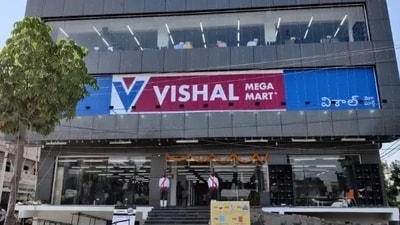
Vishal Mega Mart(AP)
IPO craze continues as Vishal Mega Mart draws strong demand
India’s equity capital markets show no signs of slowing down, edging closer to their 2021 peak of $21.8 billion in fundraising via IPOs. Vishal Mega Mart’s $944 million offering was snapped up in under two days, driven by strong demand from wealthy investors, even as institutional participation is yet to begin. Operating over 600 stores, Vishal targets lower-income customers via its brick-and-mortar format, a strategy that has challenged its much larger rival DMart, this year. Traders are anticipating a strong debut, with Vishal shares attracting a premium in the unofficial grey market.
Small-cap rally halts, bulls eye September peak
Small-cap stocks halted a 14-day winning streak on Thursday. While the pause was overdue, the Nifty Smallcap 250 index does not appear overbought based on the relative strength index — a key measure of market momentum. A crucial test for bulls would be the upcoming earnings season. After all, stock prices and liquidity cannot override fundamentals all the time.
Cash volumes recover as foreigners trickle back
Average daily turnover on the National Stock Exchange is recovering after falling to an eight-month low in November. This month, turnover was at 1.1 trillion rupees through Wednesday, up from last month’s average of 1 trillion rupees. The return of foreign investors would have encouraged some retail investors on the sidelines to resume purchases. Also, the rally in small caps could be a draw for options traders looking for a spot of action after the discontinuation of many weekly contracts.
Analysts actions:
Dalmia Bharat Cut to Sell at BOB Capital Markets
Three great reads from Bloomberg today:
Xiaomi’s 103% rally puts EV dark horse on brink of stock record
World’s richest family is about halfway to a $1 trillion fortune
Big Take: Human eggs are a premium commodity for a global market
The latest consumer inflation reading holds little immediate cheer for bond bulls, going by the slight uptick in the 10-year yield after the data release. Bets for interest-rate cuts have risen as the new RBI Governor Sanjay Malhotra is seen as being more dovish than his predecessor. Slowing economic expansion also supports the argument for rate reductions. But unless the December data shows signs of inflation cooling further, a rate cut at the February policy meet is not a given.
Stay updated with the…
See more
News/Business/ IPO craze continues as Vishal Mega Mart draws strong demand
It’s not exactly like choosing between superheroes, but when it comes to home heating, the debate between halogen heaters vs. infrared heaters can generate just as much passion. With so many options available, halogen heaters and infrared heaters are often at the forefront of discussion. Both are known for their efficiency, but many people have a question, “Are halogen heaters safe for my home?” This is a legitimate concern, as safety is always a top priority when it comes to appliances that generate heat.
The truth about halogen and infrared heaters which are safer.
In this article, we’ll explore the main differences between halogen heaters and infrared heaters, with a particular focus on their safety features. We’ll explain how each heater operates, the potential risks involved and how to use them safely in your home. By the end, you will have a clear understanding of which heater best suits your needs, ensuring both warmth and safety. Let’s uncover the honest truth behind these popular heating options and help you make the smartest choice during the winter season.
Comparison of Halogen Heater vs Infrared Heater:
features
halogen heater
infrared heater
heating system
Halogen bulbs emit infrared radiation.
Uses infrared radiation to directly heat objects and people.
Security
Open heating elements can ignite and pose a burn risk.
No exposed heating elements, reducing risk of fire and burns.
heating time
Provides instant warmth as soon as it turns on.
It may take a little longer to heat the space as it heats the objects first.
noise level
Quiet operation, but there may be some noise from the fan.
Very quiet because there is no fan; Some models may have a slight hum.
Heating range and coverage
Best for small to medium sized rooms.
Ideal for small spaces or targeted heating (e.g. desk or sofa).
Cost
Generally more affordable than before.
Initial cost is high but provides long-term energy savings.
maintenance
Requires regular cleaning due to exposed elements.
Low maintenance, no exposed elements to clean.
Tolerance
May be less durable due to exposed elements.
Often more durable, fewer components are prone to breakage.
example use case
Ideal for quick heat in small rooms or individual spaces.
Great for individual heating in targeted areas like living room or office.
long lasting heat
Provides instant heat but may not retain heat for long after turned off.
Continues to circulate heat through objects, ensuring lasting warmth.
What are halogen heaters and how do they work?
Halogen heaters are a popular and efficient heating solution for quick warmth during winter. They work using halogen bulbs that emit infrared radiation when turned on. This radiation directly heats objects and people in the room, providing fast, targeted heat. Unlike traditional heaters that heat the air, halogen heaters provide fast heat, ensuring you feel the warmth almost instantly.
The compact design of these heaters makes them highly portable, allowing you to easily move them from room to room, giving you flexibility during the colder months. However, it is important to be careful with halogen heaters. With open heating elements, there is a risk of fire if not used properly. Additionally, homes with children or pets should take extra care, as surfaces can become extremely hot. If you are looking for a reliable and efficient heater that will heat a space quickly, a halogen heater may be the right choice for you. With proper use and safety precautions, they can provide comfort during the winter season.
Consider these halogen room heaters for your home:
1. Getting Overheated Quickly: One of the main benefits of halogen heaters is how fast they work. They provide instant warmth as soon as they’re turned on, making them perfect for those moments when you need to feel warm instantly.
2. Compact and Portable: These heaters are small and light, making them easy to carry around.
3. Energy-Efficient for Small Spaces: In some settings, halogen heaters are surprisingly energy-efficient. Since they heat objects directly instead of air, you get instant heat without wasting energy. This makes them a good choice for small or medium-sized rooms.
Disadvantages of halogen heater:
1. Fire Hazards: Halogen heaters have exposed heating elements, which can overheat and pose a fire hazard if they come in contact with flammable materials. It is important to follow all safety instructions to avoid accidents.
2. Danger of burning: Heater surfaces may become very hot. This can be dangerous in homes with pets or small children, who may accidentally touch the heater and get burned.
3. Limited Coverage Area: While halogen heaters are great for small to medium spaces, they are not the best choice for larger rooms. Concentrated heat does not spread widely, meaning they may not be suitable for large areas that require heating.
Infrared heaters are a unique and efficient way to heat a room. Unlike traditional heaters that heat the air, infrared heaters work by emitting infrared radiation, which directly heats objects and people in their path. Think about how the sun warms your skin on a cold day. Infrared heaters mimic this process by emitting radiation that transfers heat directly to people, furniture, and walls rather than heating the entire air in a room. This means you feel the heat almost instantly, without waiting for the air to warm up.
The main technology behind infrared heaters is simple but effective. When you turn on an infrared heater, it produces infrared radiation, which is absorbed by nearby objects. These objects then emit heat into the surrounding air, which ultimately warms the room. Unlike halogen heaters, which rely on visible light and heat, infrared heaters emit invisible infrared rays, which are absorbed by objects in the room.
Consider these infrared room heaters for your home:
1. Energy Efficiency: Infrared heaters are known for their energy efficiency as they do not waste energy in heating the air. The heat travels directly to objects and people, meaning there is no heat loss in the process.
2. Long Lasting Heat: Once the infrared heater heats a surface, that surface will continue to radiate heat, ensuring steady and consistent heat long after the heater is turned off.
3. Targeted Heating: These heaters are great for heating individual or small rooms. If you need heat in a specific spot, such as near your desk or couch, an infrared heater will focus on heating only what’s in front of it, saving energy and getting it where it’s needed most. Will provide heat.
Disadvantages of infrared heater
1. Slow Heating: Unlike halogen heaters, which provide heat almost instantly, infrared heaters can take a little longer to heat a space because they need to heat objects before the air can heat them.
2. High Initial Cost: Infrared heaters are a little more expensive than traditional models, but they make up for it with energy efficiency and long-term savings on utility bills. This makes them an investment that can pay off over time.
When it comes to choosing between halogen and infrared heaters, it all depends on your needs and the space you’re heating. If you’re looking for fast, concentrated heat in a small room or for personal use, halogen heaters are perfect. They heat up quickly and target warmth right where you need it. On the other hand, if you’re looking for steady, consistent heat that can cover a larger area, infrared heaters are the way to go. They work best in larger rooms or open spaces, providing more even heat distribution.
In short, halogen heaters excel at providing quick heat in small spaces, while infrared heaters provide reliable, consistent heat for larger areas. So, think about the size of your room, how quickly you need heat, and your long-term comfort before deciding.
Yes, with features like automatic shut-off and overheating protection, halogen heaters are safe when used properly.
Which is more energy efficient: halogen or infrared heater?
Infrared heaters are generally more energy-efficient because they heat objects and people directly rather than heating the air.
Can halogen heaters effectively heat large rooms?
Halogen heaters are better suited for small rooms or targeted heating due to their concentrated heat output.
What type of heater is safe for children and pets?
Infrared heaters are safer for homes with children or pets because they do not get as hot to the touch as halogen heaters.
Is it safe to leave an infrared heater on overnight?
Infrared heaters are generally safe to leave on overnight if they have built-in safety features such as overheat protection and automatic shut-off, but it is always advisable to follow the manufacturer’s guidelines for safe use.
Disclaimer: At Hindustan Times, we help you stay updated with the latest trends and products. Hindustan Times has an affiliate partnership, so we may get a share of the revenue when you make a purchase. We will not be liable for any claims under applicable laws including but not limited to the Consumer Protection Act, 2019 in relation to the Products. The products listed in this article are in no particular order of priority.