



Allah Rakha, the trained bird of prey, exists somewhere in the collective memory of Indian cinema. Coolie Generations of moviegoers grew up watching it. It was a small but glamorous detail from a blockbuster movie: a wild creature transformed into a loyal companion. It would be difficult to prove that any one film promoted the wildlife trade. Yet such depictions can make proximity to a wild animal seem exciting, harmless, and even aspirational. The reality behind that image is much less attractive.A 2020 study of Facebook groups and pages in Thailand recorded 396 raptors and owls offered for sale between February 2015 and June 2019. These included nine hunters. Researchers found evidence that wild birds, including chicks removed from nests, were being introduced online; A juvenile shikara was apparently advertised as wild-caught.
cjp jantar mantar protest update
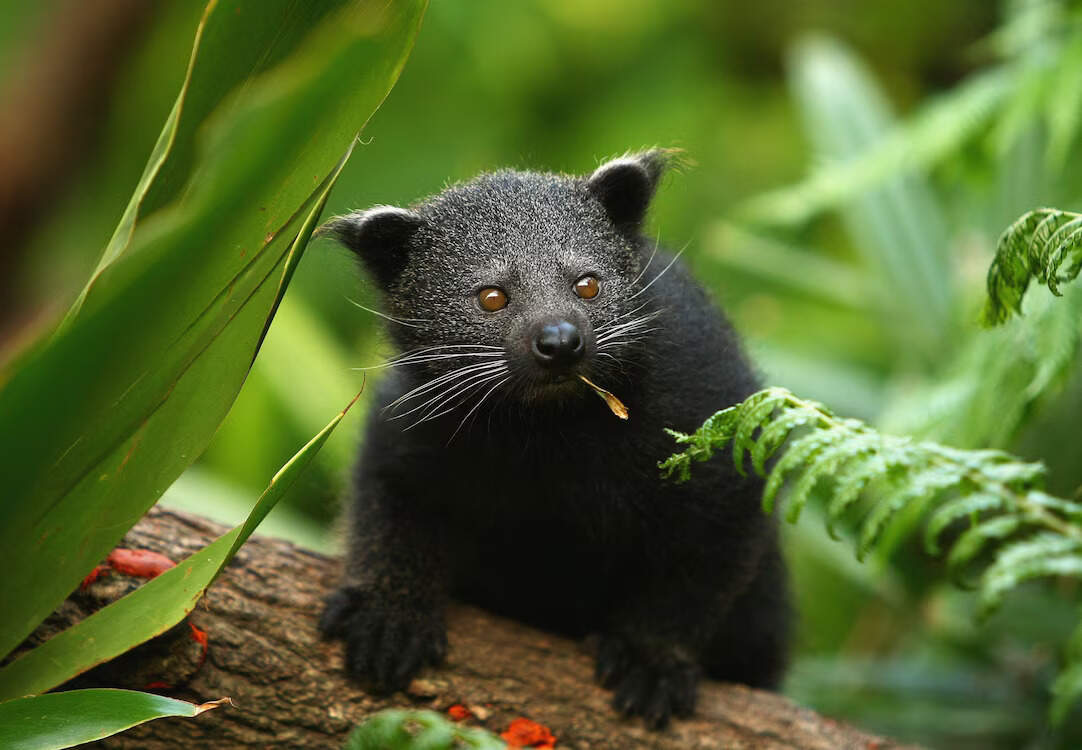
The story of the falcon, then, is not an isolated cultural memory. It points to a business that has broken out of the cage of traditional marketplaces to include photos, private messages and social-media listings.Earlier this month, 53 protected animals and birds were recovered from locations in Maharashtra and West Bengal in a joint operation of the Central Bureau of Investigation and the Directorate of Revenue Intelligence, supported by the Wildlife Crime Control Bureau. The consignment included 15 slow lorises, two binturongs, 28 star tortoises, six Egyptian vultures and two shikaras. Six people were arrested in what investigators described as an alleged interstate wildlife-trafficking syndicate. Investigation is ongoing. The raid was a significant enforcement success. It was also a window into a conservation crisis in which tiger skins, ivory or rhinoceros horns rarely receive attention.
From jungle animals to social-media props
Slow lorises are particularly sensitive to the visual economy of the exotic-pet trade. Their large eyes and seemingly gentle gait make them attractive subjects for videos, tourist photos, and online posts. What looks attractive on the screen may hide capture, transport, injury and prolonged stress.Studies of the tourist-photo trade have shown that slow-moving lorises at night are exposed to bright lights and repeated flash photography, conditions that can disrupt their natural activity patterns and potentially damage their light-sensitive eyes.
egyptian vulture
Physical damage can be serious. Researchers examining 77 confiscated Greater Slow Loris taken to a rehabilitation center in Indonesia found that 28.6% died within six months, mostly due to traumatic injuries. All the infants in the group died. External lesions, dental problems, and abnormal behavior were common among survivors. The study did not claim that every injury occurred during capture or transport, but it demonstrated the extraordinary welfare costs borne by animals moving through the illegal trade. This is the part the smiling video doesn’t show. By the time a wild animal shows up in someone’s home or on a tourist’s shoulder, others in the supply chain are already dead. Binturong also faces similar pressures. A 2024 study of online business in Indonesia found that 594 advertisements offered 724 live binturong, with 97.6% of the listings appearing on Facebook. The researchers concluded that the exotic-pet trade appears to be the major source of demand in their dataset. Although the exact origin of most of the animals could not be established, the authors argued that a large portion were probably taken illegally from the wild. Seizure records from 2015 to 2023 include 103 surviving binturong. The evidence comes from Indonesia, and should not automatically be considered as a measure of trade in India. But it shows how quickly demand for a relatively little-known forest animal can grow once buyers and sellers find each other online.
When beauty and confidence become threats
Not every trafficked animal is purchased for the same reason. The Indian star tortoise is prized for the attractive patterns on its shell and is in wide demand in the exotic-pet trade. In some markets, demand is also fueled by the belief that turtles bring luck, prosperity or blessings. Those beliefs may seem benign, but they can turn a wild animal into an object of possession and encourage the removal of thousands of individuals from their natural habitat. More careful interpretation of the Egyptian vultures recovered during the CBI-DRI operation is needed. The official release confirmed their recovery but did not say why they were being traded or what the intended buyers planned to do with them. It would therefore be premature to attribute this particular visit to occult practices, healing or any other specific purpose. It is clear that the Egyptian vulture is already endangered and faces several established threats, including poisoning, unsafe veterinary drugs, electric shock, and eating contaminated carcasses. Illegal capture or trade adds another threat to a species that leaves little room for additional pressure. The bigger lesson is that wildlife trafficking is not a single market. It is a collection of overlapping markets driven by beliefs about pets, status, food, traditional practices, ornamental value, and luck or healing. Different species enter the chain for different reasons, but the result is often the same: an animal is removed from the wild and turned into a commodity.
crisis hidden in plain sight
Public attention to wildlife crime naturally turns to tigers, elephants and rhinos. Continued attention to these species has helped strengthen legislation, enforcement, and public awareness.But success in keystone-species conservation can create a blind spot. This may leave the impression that the broader war on wildlife trafficking is being won, even as birds, reptiles, primates and small carnivores continue to move through less visible networks.A Lok Sabha reply released in August 2025 listed 820 wildlife-crime cases reported to the Wildlife Crime Control Bureau in 2020, followed by 632 in 2021, 546 in 2022, 349 in 2023 and 354 in 2024. These were cases registered and reported by state and central enforcement agencies. These are not estimates of the total number of wildlife crimes.
So the numbers need to be paid attention to. Widespread declines may indicate improved deterrence, changes in enforcement priorities, or changes in reporting. It may also reflect the increasing difficulty in tracing transactions taking place online. The small increase from 349 cases in 2023 to 354 in 2024 also means that the series is not an uninterrupted annual decline. The case found tells us that enforcement has found something. The declining number of detected cases, in itself, does not tell us whether the underlying business is shrinking.
market and smartphone
Modern wildlife trade does not require the dark web. Simple social-media platforms are sufficient. A photograph can act as a shop window. Price can be negotiated via private message. The buyer and seller may never meet until the animal is delivered or handed over to an intermediary. Research on online trading in raptors and binturongs shows how public or semi-private social-media groups can connect sellers to a large customer base while making monitoring difficult.But smartphones have not replaced the traditional wildlife market. Both systems can co-exist. Repeated enforcement action at Kabootar Market near Delhi’s Jama Masjid shows the resilience of physical trade. Wildlife SOS reported that 1,741 birds, including about 500 chicks, were recovered in a 2022 operation. In July 2024, the Delhi Forest Department recovered about 1,000 birds following a complaint by PETA India. More than 150 parrots and pigeons were recovered in another operation in December. These data do not establish that every trader in the market is involved in illegal activity. However, they do show that protected native birds have repeatedly been found in an established commercial location. An IndiaSpend investigation into bird markets in Delhi, Patna and Lucknow also reported the sale of protected species, poor welfare conditions, and widespread non-compliance with registration requirements. Such findings should be attributed to specific investigations rather than condemning every pet shop owner or seller in those cities.
Shikra
This distinction matters legally and editorially. A documentary raid is evidence of illegal activity found during that operation. This is not a license to criminalize an entire market, profession or community. Under the Prevention of Cruelty to Animals (Pet Shop) Rules, establishments selling live animals are required to register and maintain prescribed welfare and record-keeping standards. Separately, the Wildlife (Protection) Act regulates the capture and trade of protected wildlife. Registration as a pet shop does not give a business the right to sell protected native species.
Looking beyond dominant species
Raids matter. They rescue individual animals, disrupt supply chains and create consequences for smugglers. But repeated recoveries from the same market highlight the limitations of enforcement that addresses supply without reducing demand. Protecting biodiversity will require tight monitoring of online platforms, better coordination between forest departments, police, customs officials and courier networks and consistent action against illegal selling of protected species. Social-media companies must also become more effective in identifying and removing wildlife-selling posts, rather than relying on outside researchers and activists to flag them.Public behavior also matters equally. A person posing with a nocturnal creature might just make for an unusual holiday picture. A buyer taking a tortoise home may believe that a small purchase cannot harm a species. Someone sharing a video of an exotic pet may not know whether the animal was legally bred or brought from the wild.But demand is created by individual actions. Every impulse purchase, paid photo and viral post can add value to the next animal waiting to be caught. South Asia’s conservation story cannot end with tigers, elephants or rhinos. Its future also depends on the caged shikra, the loris under camera flash, the tortoise hidden inside a bag and the binturong advertised through phone screens. These are creatures who rarely grace the front pages. These are also the people the wildlife trade is counting on so that no one will notice them.Dr. Ridhima Solanki has a PhD in Natural Resources and Wildlife Sciences and a Master’s degree in Forestry, and over a decade of experience shaping wildlife policy and practice across India and Southeast Asia.


