Tehran, Iran – For decades, authorities in Iran have been meticulously building an “axis of resistance” of like-minded factions to oppose Israel and the United States across the region.
The alliance has included armed entities and government actors in Iraq, Lebanon, Syria and Yemen, along with Palestinian groups.
With the fall of Bashar al-Assad in Syria, Tehran lost not only a four-decade alliance with the ruling family in Damascus but also major axis lifelines.
Amid claims that the axis has collapsed, Iran’s Supreme Leader Ayatollah Ali Khamenei asserted last week such views are “ignorant” and wrong.
The span of resistance, he said, would “encompass the entire region” as the axis is not hardware that can be destroyed, rather it is faith and commitment that only grows stronger under pressure and will succeed in expelling the US from the region.
Kicking the US out, especially from neighbouring Iraq, remains a top goal for Tehran to avenge the January 2020 assassination of Qassem Soleimani, Iran’s top general and a main architect of the axis.
Cutting off access to Hezbollah
With Iran’s help from the early 1980s, Hezbollah grew into a major political force in Lebanon with a military force stronger than the country’s traditional army. The group has taken considerable hits from Israel in the past year, including the assassination of its longtime leader Hassan Nasrallah and top commanders.
The message coming from Tehran has emphasised that “Hezbollah is alive” despite the Israeli onslaught, with Khamenei saying the resistance of the Lebanese and Palestinian forces means “defeat” for Israel.
For now, it is undeniable that Tehran has lost a strategic ally in Syria and that will reflect on its regional influence in the short term, according to Tehran-based researcher and author Ali Akbar Dareini.
“The most important damage to Iran’s security interests is the severing of the ground link with Lebanon. The Tehran-Baghdad-Damascus-Beirut axis made it easy for Iran to have access to Hezbollah,” he told Al Jazeera.
“The collapse of the Assad government significantly challenges prospects of rebuilding and re-equipping the resistance network, especially Hezbollah,” Dareini said, adding that Israel will now be even more emboldened to attack the Lebanese group despite a shaky ceasefire that has held so far amid numerous violations.
Ayatollah Ali Khamenei greets a crowd during a meeting in Tehran, Iran, on December 11, 2024 [Leader’s office handout/via EPA-EFE]
Israel has also taken advantage of the fall of al-Assad to push deep inside Syria, occupying vast swaths of land in its south while launching hundreds of air strikes across the country.
In a second speech on Tuesday, Khamenei emphasised that “the Zionist regime believes it is preparing itself through Syria to encircle Hezbollah’s forces and uproot them, but the one who will be uprooted is Israel”.
While Iran has said it wants to maintain relations with Syria and that the new governing group’s distance from Israel would be a major deciding factor, Ahmed al-Sharaa, commander-in-chief of the new administration, says Syria is weary of wars and does not wish to make an enemy of Israel.
Hossein Salami, commander-in-chief of the Islamic Revolutionary Guard Corps (IRGC), said this week it is “unbearable” that Israeli soldiers are now merely kilometres away from Damascus, but added “they will be buried in Syria” in the future.
Further blows to axis members
An emboldened Israel has hit Yemen’s Houthis again, launching strikes on Wednesday night on Yemeni infrastructure for the third time since July, killing nine people and hitting an oil facility, ships in a major port, and power stations.
Israeli media also report that Israeli military and intelligence services may be pursuing their decades-old policy of assassinating leaders in Yemen to destabilise the group.
They have set their sights on Houthi leader Abdel-Malik al-Houthi, along with top Yemeni military officials and a senior Iranian commander who coordinates the efforts of the IRGC’s Quds Force in the country, according to the Israel Hayom newspaper.
In addition to attacks on shipping lanes near its waters in stated protest against Israel’s war on Gaza, the Yemeni group has kept up attacks on Israel.
The Houthis announced on Thursday they fired two ballistic missiles towards military targets in Israel, which appeared to have been at least partially intercepted, with shrapnel from one landing on a school and damaging it without inflicting any casualties.
The Houthis landed another ballistic missile in Tel Aviv on Saturday, injuring 16 people and leaving a crater in a public park. Two interceptor missiles were filmed failing to bring down the missile, with the group’s military spokesman promising more attacks.
In Iraq, the US has demanded Baghdad dismantle the Iran-aligned armed groups in the country, according to Ibrahim Al-Sumaidaie, a top adviser to the prime minister who said in a televised interview on Wednesday that Washington threatened military force if the Iraqi government does not accede.
Many of the Shia-majority armed groups aligned with Iran are now part of the official Iraqi security forces.
The US has been Israel’s stalwart ally throughout its war on Gaza and other moves in the Middle East.
‘Resistance without an axis’
The axis can no longer function as a coherent network of states and militias stretching from Iran to the Levant, Vali Nasr, professor of international affairs and Middle East studies at the Johns Hopkins University School of Advanced International Studies, said.
“It has lost its anchors in the Levant. Although it is still present in Iraq and Yemen, it will not play the same strategic role it had until now,” he told Al Jazeera.
“If it is to be relevant again, it will have to be in a different form and then depending on what the evolving situation is in the Levant.”
The axis, which has aided Iran’s goal of becoming a regional powerhouse, achieved some of its most touted victories during the Syrian civil war – when it kept al-Assad in power with Russia’s help, and pushed back ISIL (ISIS) and other armed groups.
The Iran-led axis was built on three main pillars that have been altered by the fall of al-Assad, according to Hamidreza Azizi, a visiting fellow at the German Institute for International and Security Affairs.
The first was a geographical connection between key members, which was complemented and stretched to the Mediterranean by Hamas and the Palestinian Islamic Jihad in Gaza, with the Houthis in Yemen holding the southern flank, he explained.
The second was close coordination and unity between members, with a principle that meant a threat to one member of the axis was considered a threat to all, triggering a collective response.
“The third pillar was its ideological foundation: the very notion of resistance. This ideology, characterised by strong anti-American and anti-Israeli sentiments, served as the core unifying idea behind the axis,” he told Al Jazeera.
Azizi said the first two pillars are now severely damaged, if not destroyed, but the third remains and may have been strengthened in some aspects.
“This evolving situation could be described as ‘resistance without an axis’. What we are observing is Iran attempting to fortify the first line of its forward defence in Iraq and Yemen, while the rest of the axis operates at a significantly reduced capacity and with far less coordination than in the past.”
22 year old Harsh Kumar is studying B.Tech in Gaya College, one of the premier institutes of Bihar. A resident of Amhara village on the outskirts of Patna, the capital of Bihar. About 45 kilometers from the city centre, Kumar’s father is a small-scale farmer, and the family struggles to make ends meet. After graduating from the government-run Amhara High School, he wanted to work towards a degree in engineering, but there were hardly any books available to crack the Bihar Joint Entrance Competitive Examination for admission to various professional courses. “I was unable to buy books for studies. Had it not been for ‘Didi’s Library’ I would not have been in this course,” says Kumar.
Launched last year by the Bihar government, the Community Libraries and Career Development Centers (CLCDC) in 100 blocks of the state are known as ‘Didi ki Library’ (roughly translating to library run by elder sister). Free libraries in 32 out of 38 districts are a boon for children who come from families who cannot afford books. The library provides free internet services and a quiet space for children to read and young people to meet and exchange ideas.
Patna district has four such libraries in Bihta, Khusrupur, Fatuha and Bakhtiyarpur, all of which are in rural areas. Across Bihar, ‘Didi’s Library’ has a seating capacity of 6,000 people, while the total enrollment is 1.1 lakh, of which 63% are girls. According to Jeevika, an initiative under the Rural Development Department of the Bihar government to promote rural livelihoods, 60-70 learners come daily.
World Bank-supported Jeevika runs ‘Didi ki Libraries’, each led by a Vidya Didi, a dedicated cadre of community workers. The education department supports this initiative by providing books.
a village became happy
Rinku Kumari, 21, graduated with a degree in history from Mahant Madhusudan College, Patna in 2024, HeSpends five to six hours every day in the library. “I want to crack the UPSC (Union Public Service Commission) exam and I can’t afford the tuition fees at a coaching institute,” she says.
Fees for coaching institutes start from ₹5,000 per month. According to the National Bank for Agriculture and Rural Development, the average income of a farmer in Bihar in 2021-22 was ₹9,252, while the national average was ₹13,661.
In Amhara, he finds books that will help him crack the entrance exam, which at least 1 million people from across India write every year for just over 1,000 posts. She admits that books are limited, but says, “With WiFi, I’m able to download free books online.”
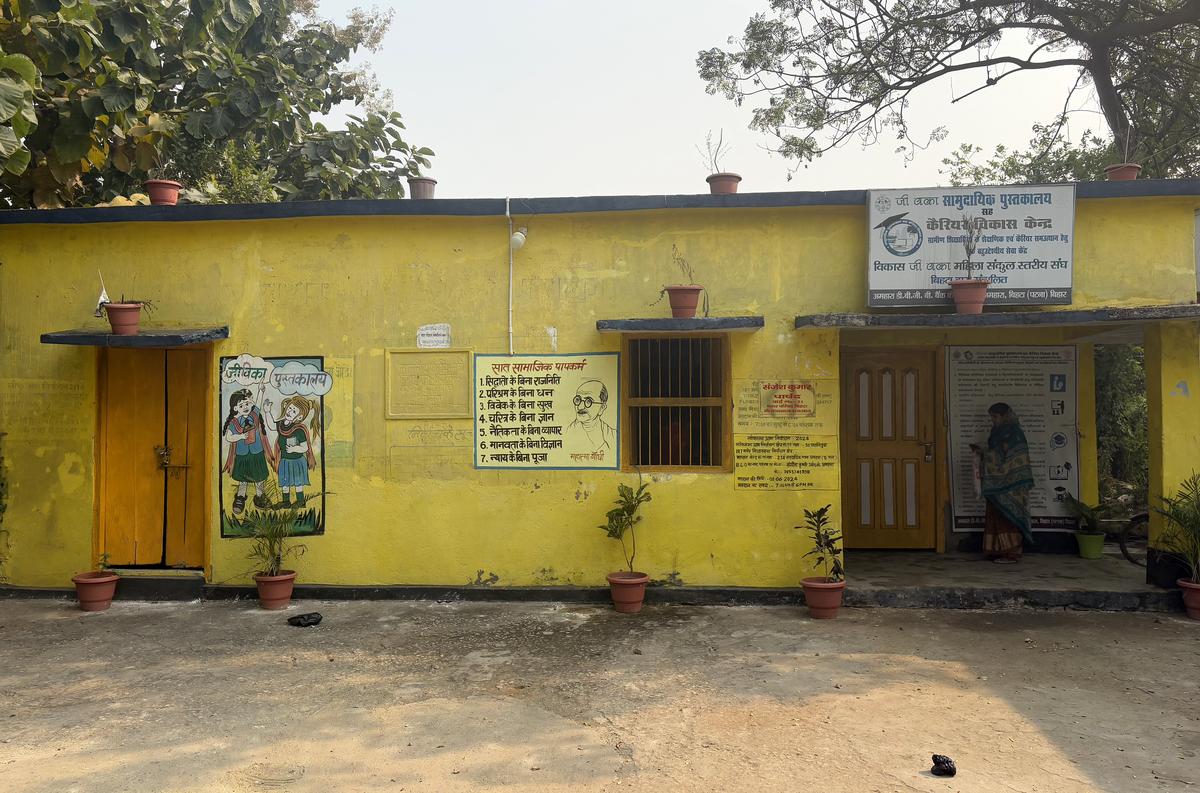
The library in Amhara village has been painted yellow and has Mahatma Gandhi’s message on avoiding the seven sins written in Hindi. It has three rooms with a seating capacity of 60 people at a time and more than 1,200 books on the shelves. Inside the rooms are photographs of former President APJ Abdul Kalam and freedom fighter Subhash Chandra Bose as well as maps of India and the world, which are a window to possibilities. Like most other libraries, it has cubicles, student chairs with desk extensions, ceiling fans, power backup, a water filter, CCTV cameras and LED screens. They also get a couple of newspapers and magazines each.
Archana Kumari, Vidya Didi of Amhara Library, says, “As soon as the form for any competitive exam is published, I inform the children and then help them fill it. We also provide printouts, so they do not need to go to the city for any work related to filling the forms.
She further says that when the library opened in February 2023, there were 30 children in it. Now, Amhara has 1,765 registered members. Chief Minister Nitish Kumar opened the first library in Madhepura district.
The library is open eight hours a day, from 9 am to 5 pm on weekdays; And also during exams on Sunday. The library has both fiction and non-fiction, including Bihar Board textbooks from classes 8 to 12 as well as sample answer papers. Children can have books issued, although the preference is for them to read on site.
A view of ‘Didi’s Library’ located in Amhara village of Patna district. , Photo courtesy: Amit Bhelari
Some of the most popular books that help students learn English include Word Power Made Easy by Norman Lewis and Oxford Advanced Learner’s Dictionarylike books animal farmGeorge Orwell’s political satires are also popular.
In Hindi, our constitution By Subhash Kashyap and India’s freedom struggle Well thumbed up, by a group of writers. It also has many books for students to prepare for railways, banking and other competitive exams including National Eligibility-cum-Entrance Test (NEET).
A library is usually a distant dream in a village in Bihar. The state saw a 20.46% dropout rate at the secondary level in 2021-22, the highest across India. The national average was 12.6%.
According to Archana, many students who frequent the library have got admission in top institutes of Bihar like Development Management Institute (DMI). Many people have graduated with a B.Ed degree which will qualify them for teaching jobs.
Mathura Prasad, 54, who lives in Amhara, says, “Ever since the library opened, it has changed things for us. Earlier our children used to sit at home and do nothing, just listen to family gossip. “We can’t afford a separate room for study.” Most of the children studying in the library walk 5 km to 7 km to reach there; Some cycles.
reading room
These libraries are emerging as a local support system to increase participation of rural children and marginalized learners in higher education. They also provide an opportunity to the families associated with the Self Help Groups to enhance their skills in their chosen livelihood.
There are 1,408 registered children in Makhdumpur Panchayat in Jehanabad district of Bihar. The library operates on the first floor of the Panchayat Bhawan in Kohra village.
Pawan Kumar, a 21-year-old student pursuing B.Sc. from Surendra Prasad Yadav College, Gaya, says, “We are a joint family of 10 members and studying at home is difficult. So, I started coming here four months ago. Now, I am regular. There is no unnecessary gossip and conversations revolve around studies. “I first heard the word library when this place opened.”
“I come here to study and complete my homework,” says Gudiya Kumari, 15, a resident of Makhdumpur village, studying in Class 9 in a government high school. Something or the other goes on in the house most of the time. My mother asks me to attend to the household chores, due to which I sometimes become unable to complete my homework. Then the teacher would yell at me. Here he gets a peaceful environment to work.
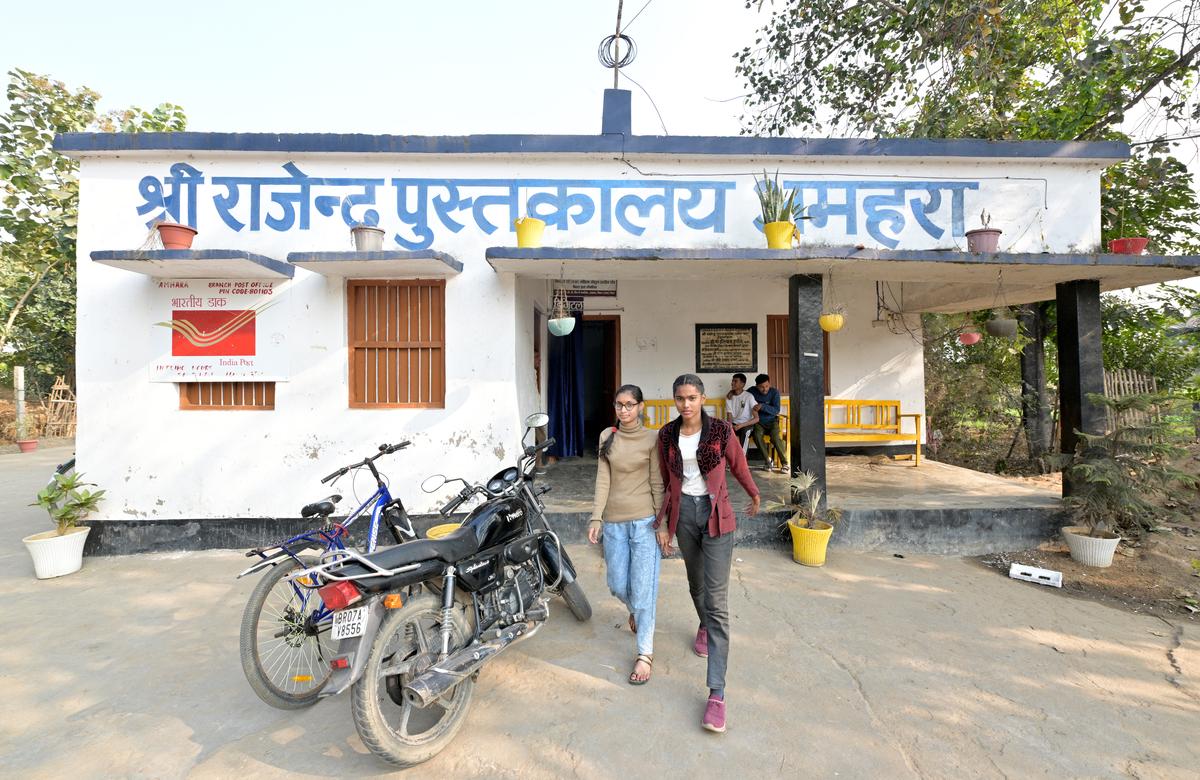
The students leave from Didi’s library, where they do homework and study. , Photo Courtesy: Shashi Shekhar Kashyap
Faizan Tanvir, social development manager (SDM) of Jehanabad district, says the main objective of such a center is to develop library culture in rural areas and promote reading among underprivileged students. It also aims to address the issues of child marriage, child labor and gender-based discrimination by empowering adolescents, especially girls.
“Didi’s Library’ helps identify learners with special needs and provides them advice, guidance and training support. By connecting teens and youth with education and career opportunities, we hope to create local role models,” says Tanveer.
Vidya Didi Shabnam Raza of Kohra Library says that the digital library is used for webinars, career workshops, skill training and preparatory courses, various entrance exams in universities and competitive exams for jobs.
“We have collaborated with the distance learning National Institute of Open Schooling (NIOS) and Indira Gandhi National Open University (IGNOU). So, we also provide admission assistance for students,” she says.
It aims to empower first-generation learners who face cultural and socio-economic barriers to aspire to better education in school and college. Each library is equipped with a desktop computer and projector. Government officials are also invited to deliver guest lectures to the learners and give them career counselling.
big picture planning
Some students complain about the speed of WiFi, due to which they are not able to download large files easily. Makhdumpur area manager Santosh Kumar says, “We have a BSNL net service connection, and being in a rural area, we face problems like wire theft. We have requested for a private internet connection which has better service.
Jeevika launched the education initiative in 2018 in a phased manner. The first partnership began with Pratham Education Foundation, an innovative education organization. Gradually, partnerships grew with other non-profit organizations such as I-Saksham, which focuses on the leadership of young women, and Turn the Bus, which works in the digital education sector.
Himanshu Sharma, IAS officer and chief executive officer-cum-state mission director, Bihar Rural Livelihood Promotion Society (JEEVICA), says, “Education is a proven tool to address generational poverty. CLCDC aims to bridge the gap between disadvantaged rural youth and their urban peers. “Special focus has been given to empowering girls who face barriers to higher education.” He further said that they are planning to scale this initiative to 1,671 panchayats for equal access to education and career opportunities.
CLCDC has also made some achievements. He has conducted 34 webinars on higher education and career development. More than 2,500 children had applied for technical, vocational and professional courses with career counseling support, and 110 have got admission, including two girls at Miranda House and one at Daulat Ram College, both colleges of Delhi University. Come under and are considered prestigious.
Six students got admission into the Post Graduate Program in Development Management (PGDM) MBA course with a scholarship of ₹32 lakh. This year, 62 of those who visited these libraries have been selected as Bihar Public Service Commission (BPSC) teachers.
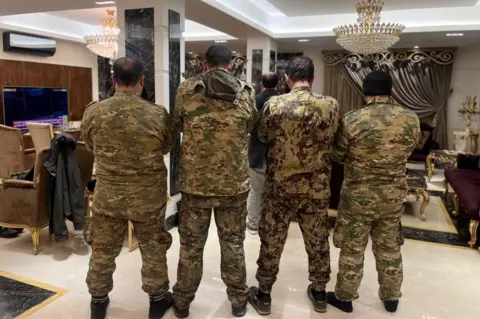
Jamil Hassan, one of the most feared men in Bashar al-Assad’s Syrian regime, wanted for the torture and killing of civilians, was shaking as he walked down the stairs of his apartment block.
Outside, the 72-year-old climbed into a car in a small convoy with his family and a handful of security guards, just a few suitcases between them.
His neighbour and her teenage son watched.
“I knew the moment I saw them flee that Assad had fallen,” she says.
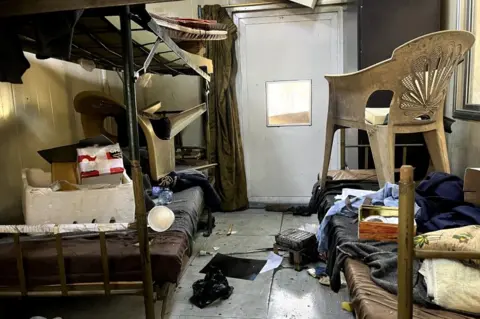
When we entered Hassan’s apartment a few days later, signs of the family’s hasty departure were everywhere.
In the fridge was a half-eaten carrot cake with a knife still on the plate. The beds were strewn with clothes and empty shoeboxes. Flowers wilted in a vase in the dining room, and cups and plates had been left to dry by the sink.
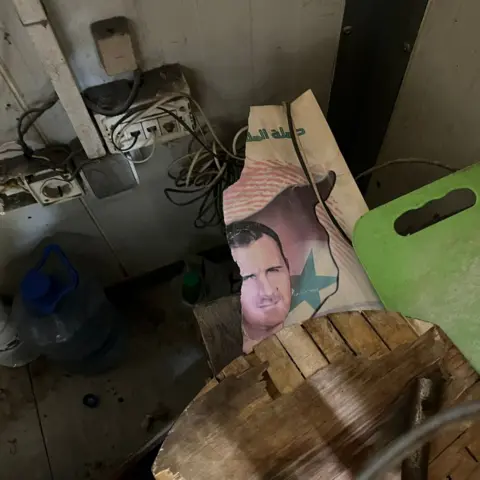
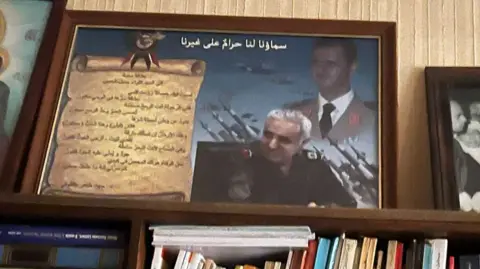
A framed photo of a smiling Hassan and Assad hung on the wall of the study, with text reading: “Our skies are for us and forbidden to others”.
Signs of the family’s hasty departure were everywhere
Hassan, referred to as “the butcher” by many civilians on his street, was one of Assad’s most menacing enforcers. He led the Air Force Intelligence and oversaw a network of detention facilities including the notorious Mezzeh Prison, where detainees were routinely tortured.
He is one of many senior regime figures wanted or sanctioned around the world who have abandoned their homes in affluent areas of Damascus and vanished.
Finding these men who ruled Syria with an iron fist will be difficult. Some fear they will strike political deals abroad and evade justice.
Hayat Tahrir al-Sham (HTS), which led the campaign to topple the regime, has vowed to search for them inside Syria. Rebels aligned with the group now occupy Hassan’s apartment and a handwritten note on the front door warns people not to enter.
When we asked them where Hassan might have gone, one grinned and replied: “I don’t know – to Hell.”
‘His guards threatened to kill my dog’
Many apartment shutters on Hassan’s quiet street in central Damascus are now closed. Knocks on doors go unanswered.
Those who will speak tell us about their fear at living on a street with a wanted war criminal. “We were so afraid to talk,” says the woman who watched him flee. “It was terrifying to live next to them.”
Hassan is wanted in the US for “engaging in conspiracy to commit cruel and inhuman treatment of civilian detainees, including US citizens”. He was convicted in absentia earlier this year in France for his role in imprisoning, disappearing and torturing two Syrian-French nationals. Germany wants him too. An Interpol Red Notice shows a photograph of Hassan alongside a note that he is wanted for “conspiracy to commit war crimes”.
People on the street describe a formidable figure who was unapproachable and always surrounded by guards.
A makeshift security post outside Hassan’s apartment building was constantly staffed by military personnel. The night before the regime collapsed, the men simply took off their uniforms and discarded their weapons, according to another neighbour.
“It was the first time I’d seen this post with no lights, no sounds, no noise,” says 27-year-old Amr al-Bakri, a filmmaker who lives with his family in the building next door.
He said locals “knew what he did to the Syrians – outside of Damascus and in Damascus – so we know it but we can’t say anything, just ‘good morning sir’. He’d say nothing back.”
Amr says his family had to give away their pet dog after Hassan’s guards threatened to kill it if it didn’t stop barking. When Amr’s family asked for the guard post to be moved from outside their home, they were told they should move house instead, he says.
Hassan’s home, pictured above, was routinely guarded by military personnel, civilians on the street say
A guard post outside of Hassan’s building has been abandoned
The guards would run regular inspections on the street and check the bags of visitors.
“Sometimes if I had a plumber or handyman to come and fix something one of the guards would come and check if there was really something that needed to be fixed,” says the woman living in Hassan’s building.
Neighbours also say Hassan had a “golden line” for electricity that meant his family’s lights were always on, while other homes in the neighbourhood were in darkness.
The electrician called to fix any problems at the apartment says he knew Hassan over many years “but only from a distance”. “[Hassan] was very strict – a military personality,” the man says. “He was a butcher… He had no mercy.”
The man told BBC News he had been in prison – not at Mezzeh but elsewhere – and was tortured there.
A local shopkeeper, Mohammed Naoura, says he didn’t like Hassan but that you had to appear to support him.
“We are happy now,” he adds. “Nobody believed this would ever happen.”
Guns on sofas and underground swimming pools
Hussam Luka, head of the General Security Directorate (GSD), was less well-known among residents but had an apartment underneath Hassan.
His “ruthless, smooth-talking nature” reportedly earned him the nickname “the spider” – and he’s under sanctions in the EU, US and UK.
A UK sanctions list says he was “responsible for the torture of opponents in custody”, while the US Treasury Department says he “reportedly committed a number of massacres” while working in Homs.
The White House has said he is one of a small group of officials who might have information about missing American journalist Austin Tice.
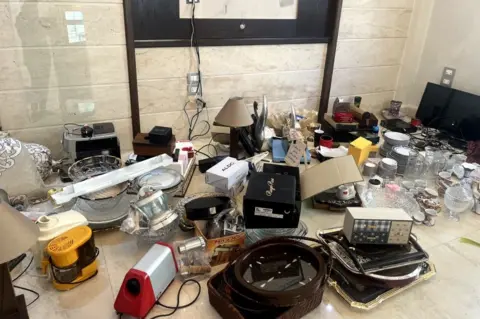
At his home on Monday, rebels were dismantling furniture to be put into storage. They said they arrived after looters had already taken many of the most expensive items.
Hussam Luka (left) and Assad
A photo of Luka and Assad remained, printed in different sizes and styles, alongside documents from security and intelligence events, and ceremonial medals and certificates from the foreign spy service in Russia – where the deposed Syrian leader Assad has fled.
“This award is to the coordinator of the mukhabarat [intelligence service] organ in the southern provinces of the Syrian Arab Republic,” one certificate naming Luka says. “You showed the utmost professionalism and put in huge effort to fulfil the duties entrusted to you for the good of the Syrian people.”
As rebels clear the apartment, a neighbour wanders in to see what’s happening.
When asked what she knows about the regime official, she replies: “We keep to ourselves, they keep to themselves. No one in this building interacts with each other.” She walks away.
In other affluent areas more homes have been abandoned. Fridges are fully stocked, wardrobes full and in some cases travel documents left behind.
The rebels who have taken over the homes are using them as bases, and say they are also preventing further looting.
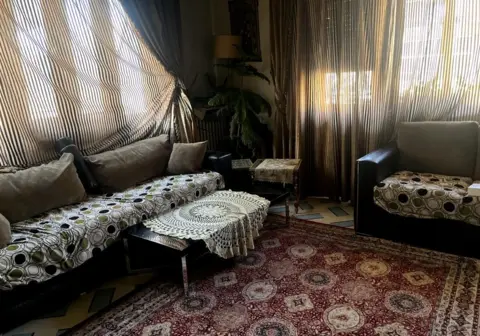
At one lavish apartment, men say they are sleeping on blankets on marble floors beneath giant chandeliers and cooking on a camp stove in its modern kitchen. Guns are propped against plush sofas and arm chairs.
“We don’t need any of this,” a rebel says, gesticulating around the room.
At another, a child peaks through the curtain of a sprawling ground-floor apartment with an outdoor swimming pool. A large family say they are occupying the space.
Perhaps the grandest home in the area is the modern labyrinthine underground dwelling of one of the country’s best-known businessmen – Khodr Taher Bin Ali, better known as Abu Ali Khodr.
Bin Ali has been sanctioned by the US, UK and EU for his role in supporting and benefiting from the Syrian regime.
His home has an elevator, a full-size gym, an indoor swimming pool, jacuzzi and sauna, and an industrial kitchen.
Two golden safes designed to hold watches in the master bedroom
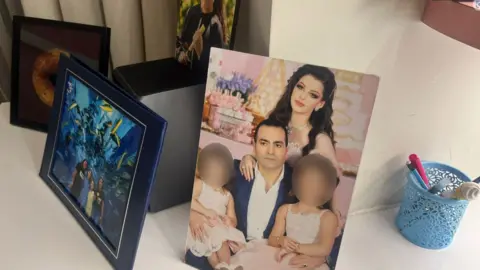
A family photo of Khodr Taher Bin Ali that was left in his house
In the master bedroom, there are two golden safes, with space for dozens of watches – in a drawer there is a forgotten warranty card for luxury brand Audemars Piguet. A gun case and jewellery boxes in the wardrobe are empty.
The children’s ensuite bedrooms still have toys and a Louis Vuitton handbag on the floor and homework and school reports are in the cupboards. A Quran rests on a countertop with the words “A gift from the president Bashar al-Assad” inscribed on the side.
Around the corner from Bin Ali is the home of Ali Mamlouk, one of Assad’s closest associates and among the most senior and notorious members of the regime. He was reportedly given the nickname “black box” because of his control over sensitive information.
He was sentenced alongside Hassan by French judges this year for war crimes, and is also wanted in Lebanon for two explosions in 2012 in the city of Tripoli that killed and wounded dozens.
Like Luka, the White House believes Mamlouk is one of few men who could have information about Tice.
His home is padlocked shut, and rebels are more reluctant to grant entry there.
In a guard booth outside, there are notes on visitors to the property before Assad’s fall – people delivering chocolates, water and vegetables, and coming to fix the electricity.
“No one could see, no one could walk, no one could pass by this area. It’s actually the first time I’m seeing this place from up close,” says 17-year-old Mo Rasmi Taftaf, whose family own a house nearby.
“Whenever he came in or out, guards would cut the roads off,” one neighbour says.
Rebels are now occupying the abandoned apartments
A gun placed on a chair at another of the apartments the BBC saw inside
Shouting down from a second-floor balcony, another gestures towards Mamlouk’s large home when asked about the wanted regime figure.
“It felt like there was a strange atmosphere” on the street the night before news broke that Assad had fled, he says, without elaborating.
“His security was here at the time but I saw them leave on Sunday morning – a lot of cars. Ali Mamlouk wasn’t here,” he adds, before returning inside.
Another man, who declines to give his name, says he doesn’t want to talk about the regime men.
“I just want to live in peace. I don’t want to open this book or explore all of these crimes – there would be a lot of blood.”
“While there is no confirmed information on the current whereabouts of senior regime figures like Jamil Hassan, Ali Mamlouk, and others, there are concerns that such individuals could benefit from political deals that enable them to evade justice,” the Syrian Center for Media and Freedom of Expression (SCM) tells the BBC.
“Some are likely to have sought refuge in allied countries, complicating future extradition efforts, while others may still be in Syria, living discreetly.”
On Hassan’s street, neighbours speculate about where the vanished war criminal has gone.
His family left few clues in the apartment. But in the office is a certificate for Hassan’s daughter signed by Hassan Nasrallah, the late leader of Lebanon-based Shia militant group Hezbollah, thanking her for her “help and support for this honourable resistance”.
Several neighbours suggest he may be hiding in Lebanon or has transited through there, while the local shopkeeper says he thinks Hassan headed for the coast, perhaps to Latakia in the north – the heartland of the minority Alawite sect to which Assad and many of his closest allies belong.
Hezbollah has not confirmed offering assistance to any regime figures, and the Lebanese government has said no Syrian officials targeted by international warrants were authorised to enter through legal crossings. Lebanese security services say Mamlouk is not in the country.
Syrian-British barrister Ibrahim Olabi says regime officials may have acquired new identities and passports, as they were powerful people backed by state institutions.
When it comes to getting justice, he adds, a lack of evidence is not the problem. It is more about finding them and getting them to a place where they can be held accountable.
The SCM says doing this will “require considerable resources, sustained political will, and international collaboration”.
Failing to do so will send a “dangerous message that crimes, including war crimes and crimes against humanity, can go unpunished”, it adds.
Ibrahim Olabi says he is hopeful that justice will be served.
“It will absolutely be a hunt,” he says, but “the world now is a small place through social media, private investigators, political leverages”.
Hassan’s neighbours who were willing to talk say they hope he will one day be returned to Syria, far away from their street, to be punished.
Some members of the Starbucks workers’ union which represents more than 10,000 baristas across 525 stores in the US, walked off their jobs in multiple cities on Friday, December 20, 2024, as part of a protest.
Former employees and supporters join unionized Starbucks employees as they carry signs in support of a strike, outside of a Starbucks store in Arlington, Virginia, on November 16, 2023(Saul Loeb/AFP)
The five-day protest ended up closing Starbucks cafes in Los Angeles, Chicago and Seattle, and will expand to Columbus, Denver, and Pittsburgh through Saturday, a report by news agency Reuters quoted the union as having said.
What’s more is that the strike could reach ‘hundreds of stores’ by December 24, the union added.
The Starbucks protest is primarily due to unresolved issues over wages, staffing and schedules.
The report also quoted union member Shep Searl as saying that workers had been subject to numerous unfair labor practices such as write-ups, “captive-audience” meetings and firings.
A key point for the protest was the wages. The employees receive about $21 an hour, which the union member said “would have been a great wage in 2013,” but is inadequate now, considering inflation and high living costs in a large city, especially since they rarely get 40-hour work weeks.
Another factor is that hundreds of complaints have been filed with the US National Labor Relations Board (NLRB), accusing Starbucks of unlawful labor practices like firing union supporters and closing stores during labor campaigns.
Starbucks has so far, denied all wrongdoing and said it respects the right of workers to choose whether to unionize or not.
What are the demands of the Starbucks workers’ union?
The union workers’ key demands were better pay, more staffing, and better schedules
Negotiations between the company and Workers United began in April, with Starbucks claiming it has held more than nine bargaining sessions with the union since then, reaching more than 30 agreements on “hundreds of topics”, including the economic issues.
The Seattle-headquartered firm added that it is ready to continue negotiations, claiming the union delegates prematurely ended the bargaining session this week.
However, the union said Starbucks is yet to present a serious economic proposal with less than two weeks remaining until the year-end contract deadline.
The workers’ union had also rejected an offer with no immediate wage hike and a guarantee of a 1.5% increase in future years.
“Workers United proposals call for an immediate increase in the minimum wage of hourly partners by 64%, and by 77% over the life of a three-year contract. This is not sustainable,” the report quoted Starbucks as having said on Friday.
All of this comes at a time when the company’s new CEO Brian Niccol is working on turning around the brand by restoring “coffee house culture” through the overhaul of cafes and simplifying its menu among other measures.
The strike also comes at a time when Amazon workers at seven of its US facilities walked off the job on Thursday, during the holiday shopping rush.
GST council has sanctioned a rate increase to 18% from 12% for transactions involving the sale of old and used cars.
GST Council Meeting latest update: The ongoing 55th GST council meeting in Jaisalmer is addressing crucial taxation matters, including revisions for AAC blocks, fortified rice and flavoured popcorn categories. According to ET’s Deepshikha Sikarwar, the GSR council has determined that Autoclaved Aerated Concrete blocks containing over 50% fly ash will be classified under HS code 6815, reducing the GST rate to 12% from the previous 18%. In the session led by Finance Minister Nirmala Sitharaman, the GST council has sanctioned a rate increase to 18% from 12% for transactions involving the sale of old and used cars, including electric vehicles, sources were quoted as saying. The GST council has opted to streamline the taxation structure for fortified rice kernels by implementing a uniform 5% rate, regardless of its intended use, eliminating previous complexities, the report said. Regarding ready-to-eat popcorn taxation, the council specified that salt and spice-seasoned popcorn, similar to namkeens, will incur 5% GST when sold without packaging and 12% when pre-packaged and labelled. However, sugar-coated varieties like caramel popcorn, categorised as confectionery under HS 1704 90 90, will attract 18% GST. The GST council has postponed decisions on insurance-related issues for additional review, following the lack of agreement during the Group of Ministers deliberations on this topic.
Upgrade your home entertainment with the best smart TVs from top brands like Samsung, Sony, Mi, Vu, Hisense, TCL, and more during the Amazon Sale. Offering cutting-edge features such as 4K resolution, Dolby Audio, seamless connectivity, and smart capabilities, these TVs transform your viewing experience. Whether you’re a fan of vibrant visuals or immersive sound, there’s something for everyone. From premium choices to budget-friendly options, enjoy discounts of up to 70% on a wide range of models. Perfect for binge-watching, gaming, or family movie nights, these TVs bring quality and convenience to your home. Don’t miss this chance to grab the latest innovations in home entertainment. Shop now and redefine the way you enjoy your favourite content!
Upgrade your viewing experience with up to 70% off on smart TVs during the Amazon Sale!
The Samsung D Series Crystal 4K Vivid Pro Smart TV offers an immersive viewing experience with its 43-inch Ultra HD display and Crystal Processor 4K technology. Its features, such as 4K Upscaling and HDR, deliver sharp visuals and vibrant colours, making it perfect for movies, gaming, or family entertainment. With smart capabilities like Bixby, SmartThings Hub, and Apple AirPlay, this TV provides convenience and versatility, is suitable for modern homes, and is a thoughtful gift for tech lovers.
Specifications of Samsung D Series Crystal 4K Vivid Pro TV
Resolution: 4K Ultra HD Sound: 20W Output, Q-Symphony Smart Features: Bixby, SmartThings Hub Special features: 4K Upscaling, Motion Xcelerator
Reasons to buy
Reasons to avoid
Great picture quality
Some sound quality concerns
Smooth smart features
Limited refresh rate
What are buyers saying on Amazon? Buyers praise its vibrant picture quality, smooth performance, and value for money. Some noted minor sound issues but found it an affordable 4K TV option.
Why choose this product? Choose this product for its stunning visuals, smart features, and reliable performance, making it an excellent choice for family entertainment or immersive 4K viewing.
The MI 4K Ultra HD Smart Android OLED TV offers a premium viewing experience with its 55-inch OLED display and self-lit pixels. It features Dolby Vision IQ, Dolby Atmos, and PatchWall 4 with IMDb integration for immersive visuals and sound. The Android TV 11 platform with voice assistant capabilities ensures smooth navigation, making it perfect for movie lovers, gamers, or as a thoughtful tech gift.
Specifications of MI 4K Ultra HD Smart Android OLED TV
What are buyers saying on Amazon? Buyers commend its excellent display, robust sound, and voice features. While most praise its value, some express concerns about its functionality and quality consistency.
Why choose this product? Choose this product for its vibrant OLED display, smart features, and great sound, making it ideal for movie nights or an enhanced home entertainment setup.
The Sony Bravia 4K Ultra HD Smart LED Google TV combines superior visuals and smart functionality. Its 43-inch 4K HDR display with Live Colour and X1 4K Processor delivers crisp and vivid images. With Dolby Audio and Clear Phase technology, the sound is equally immersive. Its Google TV platform, Chromecast, and Alexa support offer seamless control and connectivity. Ideal for streaming, gaming, or as a thoughtful gift, it enhances any entertainment setup.
Specifications of Sony Bravia 4K Ultra HD Smart LED Google TV
Resolution: 4K Ultra HD Sound: 20W Output, Dolby Audio Smart Features: Google TV, Chromecast Special features: 4K X Reality Pro, Motion Flow XR100
Reasons to buy
Reasons to avoid
Stunning picture quality
Limited HDMI ports
Google TV and Chromecast integration
Slightly higher price
What are buyers saying on Amazon? Buyers praise its stunning picture and sound quality, easy installation, and value for home entertainment. Some highlight its user-friendly smart features.
Why choose this product? Choose this product for its superior visuals, reliable sound, and smart features, making it a great option for immersive entertainment and connectivity.
The Vu 75-inch Masterpiece Series 4K QLED TV offers stunning visuals with 4K resolution and Quantum Dot technology. Its 144Hz refresh rate and Motion Rate of 240Hz ensure smooth motion for gaming and sports. Dolby Vision IQ, HDR10+, and HLG provide vibrant colours and deeper contrasts, while the built-in 100W sound system with Dolby Atmos ensures immersive audio. Perfect for entertainment enthusiasts and gamers, its sleek Armani Gold design adds a premium touch to any space.
Specifications of Vu 75-inch Masterpiece Series 4K QLED TV
Resolution: 4K QLED Sound: 100W Output, Dolby Atmos Smart Features: Google TV, Voice Search Special features: 4K@144Hz, HDR Gaming Mode
Reasons to buy
Reasons to avoid
Stunning picture quality with vibrant colours
Higher price tag compared to competitors
Excellent for gaming with low latency and high refresh rate
Large sizes may not fit smaller rooms
What are buyers saying on Amazon? Buyers appreciate the TV’s superior picture quality, vibrant colours, and immersive audio. They also enjoy the smooth gaming experience, though some note colour accuracy could be better.
Why choose this product? Choose this product for its outstanding visual quality, high refresh rate, and immersive audio experience, making it ideal for gaming, entertainment, and cinematic viewing.
The Hisense 55-inch E68N Series 4K Ultra HD Smart Google QLED TV offers an exceptional viewing experience with its 4K resolution and Quantum Dot technology, providing vibrant colours and sharp details. The TV features HDR 10+, Dolby Vision, and a 120Hz refresh rate for smooth visuals, making it ideal for sports and gaming. The built-in Google Assistant, multiple picture modes, and sound features like Dolby Atmos enhance the overall experience. It’s a solid choice for both entertainment and gaming.
Specifications of Hisense 55-inch E68N Series 4K Ultra HD Smart Google QLED TV
Resolution: 4K QLED Sound: 24W Output, Dolby Atmos Smart Features: Google Assistant, Screen Mirroring Special features: 4K AI Upscaler, Game Mode Plus
Reasons to buy
Reasons to avoid
Excellent picture quality with vibrant colours
Some users report mixed colour accuracy
Great for gaming with low latency and smooth motion
Audio might not meet expectations for some
What are buyers saying on Amazon? Customers appreciate the TV’s clear picture, vibrant colours, and smooth gaming experience. The sound quality and ease of installation are also praised. Some buyers, however, note concerns about colour reproduction.
Why choose this product? Choose this product for its impressive display quality, wide range of smart features, and smooth performance, particularly suited for sports, movies, and gaming.
The Redmi Xiaomi 32-inch F Series HD Ready Smart LED Fire TV is an affordable and efficient TV that offers HD resolution with vivid colours and clarity. Powered by Fire OS 7, it supports popular streaming apps like Netflix, Prime Video, and Disney+ Hotstar. With features like a voice remote with Alexa, seamless DTH set-top box integration, and display mirroring (Airplay & Miracast), it enhances user experience. The TV’s sleek design and ease of use make it an excellent choice for budget-conscious buyers.
Specifications of Redmi Xiaomi 32-inch F Series HD Ready Smart LED Fire TV
Resolution: HD Ready (1366×768) Sound: 20W Output, Dolby Audio Smart Features: Voice Remote with Alexa, Fire TV Built-In Special Features: Display Mirroring (Airplay & Miracast), DTH Set-Top Box Integration
Reasons to buy
Reasons to avoid
Great value for money with essential features
Limited resolution compared to Full HD or 4K
Easy setup with voice control via Alexa
Sound quality may not satisfy audiophiles
What are buyers saying on Amazon? Customers appreciate the TV’s value for money, solid picture quality, and ease of use with the Fire TV interface. Some mention that the sound could be better, and a few express dissatisfaction with the installation service.
Why choose this product? This TV is a solid pick for those seeking an affordable smart TV with great streaming capabilities and a user-friendly experience. Perfect for everyday viewing and streaming, especially with voice control and seamless integration.
The TCL 55-inch Metallic Bezel-Less Series 4K Ultra HD Smart LED Google TV offers stunning picture quality with 4K UHD resolution and an array of smart features. Powered by a 64-bit quad-core processor, it supports streaming apps like Netflix, Prime Video, and Hotstar. The TV features a sleek bezel-less design, HDR10, and a wide viewing angle, ensuring vibrant colours and clarity. With Google Assistant, screen mirroring, and a user-friendly interface, it’s ideal for both entertainment and productivity.
Specifications of TCL 55-inch Metallic Bezel-Less Series 4K Ultra HD Smart LED Google TV
Resolution: 4K Ultra HD (3840 x 2160) Sound: 24W Output, Dolby Audio Smart Features: Google Assistant, Web Browser Special Features: HDR 10, Micro Dimming, Multiple Eye Care
Reasons to buy
Reasons to avoid
Excellent picture and colour quality
Some users find installation slow
Solid value for money with smart features
A limited number of USB ports
What are buyers saying on Amazon? Customers are generally pleased with the TV’s overall picture quality, sound, and value for money. However, opinions are mixed regarding the installation process and the speed of the interface.
Why choose this product? The TCL 55-inch 4K Google TV is a great option for users seeking a sleek design, solid picture performance, and smart features like Google Assistant and streaming capabilities, all at a competitive price.
The Panasonic 43-inch 4K Ultra HD Smart LED Google TV offers an impressive viewing experience with its 4K Color Engine, Wide Viewing Angle, and Hexa Chroma Drive for enhanced colour and clarity. The built-in home theatre, Dolby Digital sound, and support for popular apps like Netflix, Prime Video, and Zee5 make it a great choice for entertainment. With Google Assistant, Bluetooth, and Wi-Fi connectivity, it’s easy to access your favourite content and control the TV with voice commands.
Specifications of Panasonic 43-inch 4K Ultra HD Smart LED Google TV
Resolution: 4K Ultra HD (3840 x 2160) Sound: 20W Output, Dolby Digital Smart Features: Google Assistant, Screen Mirroring Special Features: 4K Upscaling, Hexa Chroma Drive, Noise Reduction
Reasons to buy
Reasons to avoid
Great value for money with a vibrant picture
OS speed may be slower than expected
Built-in home theater and Dolby Digital sound
Some users find installation tricky
What are buyers saying on Amazon? Customers appreciate the vibrant picture quality and sound, calling it a great value for money. The easy installation and bright display are also noted. However, some customers have mixed opinions about the speed of the operating system.
Why choose this product? The Panasonic 43-inch 4K Google TV is an excellent choice for those seeking a balance of great picture, sound, and smart features like Google Assistant and popular streaming apps, all at an affordable price.
Top 3 features of the best smart TVs
Best Smart TVs
Refresh Rate
Audio Feature
Special Features
Samsung D Series Crystal 4K Vivid Pro Smart TV
60Hz
20W Output, Q-Symphony
4K Upscaling, Motion Xcelerator
MI 4K Ultra HD Smart Android OLED TV
120Hz
30W Output, Dolby Atmos
Chromecast Built-in, Kids Mode
Sony Bravia 4K Ultra HD Smart LED Google TV
60Hz
20W Output, Dolby Audio
4K X Reality Pro, Motion Flow XR100
Vu 75-inch Masterpiece Series 4K QLED TV
144Hz
100W Output, Dolby Atmos
4K@144Hz, HDR Gaming Mode
Hisense 55-inch E68N Series 4K Ultra HD Smart Google QLED TV
120Hz
24W Output, Dolby Atmos
4K AI Upscaler, Game Mode Plus
Redmi Xiaomi 32-inch F Series HD Ready Smart LED Fire TV
TCL 55-inch Metallic Bezel-Less Series 4K Ultra HD Smart LED Google TV
60Hz
24W Output, Dolby Audio
HDR 10, Micro Dimming, Multiple Eye Care
Panasonic 43-inch 4K Ultra HD Smart LED Google TV
60Hz
20W Output, Dolby Digital
4K Upscaling, Hexa Chroma Drive, Noise Reduction
Which Smart TV screen size is best for my space?
Choose a size that fits your room comfortably, considering viewing distance. For small spaces, 32-43 inches works well, while larger rooms benefit from 55-65 inches or more.
Should I prioritize smart features or picture quality?
Picture quality is essential for a great viewing experience. However, smart features like app compatibility and voice control are important for convenience, so balance both according to your needs.
Is a 4K Smart TV worth the investment?
If you watch high-definition content, a 4K TV offers superior clarity and future-proofing. For casual viewing, a Full HD TV may suffice, but 4K enhances the overall experience long-term.
What is the difference between 4K and Full HD Smart TVs?
4K TVs offer four times the resolution of Full HD TVs, providing sharper images and more detail, especially on larger screens. Full HD is suitable for smaller screens or casual viewing.
Can I use Alexa or Google Assistant with my Smart TV?
Yes, many Smart TVs are compatible with Alexa and Google Assistant. You can control your TV, change channels, adjust the volume, and even search for content using voice commands.
How do I install and set up a Smart TV?
Most Smart TVs come with a straightforward setup process. Simply connect your TV to Wi-Fi, sign in to your streaming accounts, and adjust settings like display preferences and app installations.
Do I need a soundbar if my Smart TV has built-in speakers?
While built-in speakers are suitable for casual viewing, a soundbar offers a richer, more immersive sound experience, especially for movie lovers or gamers seeking better audio quality.
Disclaimer: At Hindustan Times, we help you stay up-to-date with the latest trends and products. Hindustan Times has an affiliate partnership, so we may get a part of the revenue when you make a purchase. We shall not be liable for any claim under applicable laws, including but not limited to the Consumer Protection Act, 2019, concerning the products. The products listed in this article are in no particular order of priority.
Huge sale likely to go through despite ongoing concerns over Egyptian government’s human rights breaches.
The United States State Department has approved the potential sale of more than $5bn in arms for Egypt.
The State Department informed Congress on Friday that it had approved the sale of $4.69bn worth of equipment for 555 US-made M1A1 Abrams tanks operated by Egypt, along with $630m in Hellfire air-to-surface missiles and $30m in precision-guided munitions.
In a statement issued that day, it said the sale would support US “foreign policy and national security” by helping to improve the security of a “major” non-NATO ally that had acted as an important strategic partner in the Middle East.
Egypt and the US have worked increasingly closely since the outbreak of the war in Gaza in October 2023, with Cairo playing a role in negotiating a ceasefire.
The deals come despite ongoing concern in Washington over the Egyptian government’s poor human rights record under President Abdel Fattah el-Sisi.
Rights group Amnesty estimates that Egypt currently holds about 60,000 political prisoners, including British-Egyptian activist Alaa Abd El-Fattah, jailed for “spreading false news” after sharing a Facebook post about alleged police brutality.
Egypt has in the last two years pardoned hundreds of political prisoners. But rights groups have said at least three times that many have been arrested over the same period.
Large US aid recipient
US President Joe Biden took office in 2021 pledging a harder line on Egypt over human rights concerns, but his administration has approved several arms deals.
In 2022, his administration approved the sale to Egypt of 12 Super Hercules C-130 transport aircraft and air defence radar systems totalling an estimated $2.5bn.
The State Department’s notification of the latest potential sale to Congress did not indicate that a contract has been signed or that negotiations have concluded.
The proposed sale would “not alter the basic military balance in the region”, said the statement, adding that transactions related to the Abrams tanks would take up to a decade to implement.
The US Congress can still block the sales, but such attempts are usually unsuccessful.
Cairo is one of the largest recipients of US security aid since its peace treaty with Israel in 1979. The largest recipient is Israel.
New Delhi: The Cabinet Committee on Economic Affairs on Friday hiked the Minimum Support Price (MSP) for fair average quality of milling copra to Rs 11,582 per quintal and for ball copra to Rs 12,100 per quintal for the 2025 marketing season, according to an official statement.
The MSP has been increased in accordance with the government’s decision that mandates the MSP for crops will be fixed at levels of at least 1.5 times the all-India weighted average cost of production, the statement said.
“The Government has increased MSP for milling copra and ball copra from Rs 5,250 per quintal and Rs 5,500 per quintal for the marketing season 2014 to Rs 11,582 per quintal and Rs 12,100 per quintal for the marketing season 2025, registering a growth of 121 per cent and 120 per cent, respectively,” the statement said.
A higher MSP will not only ensure better remunerative returns to the coconut growers but also incentivise farmers to expand copra production to meet the growing demand for coconut products both domestically and internationally, it added.
The National Agricultural Cooperative Marketing Federation of India Ltd (NAFED) and the National Cooperative Consumers’ Federation (NCCF) will continue to act as Central Nodal Agencies (CNAs) for procurement of copra and de-husked coconut under the Price Support Scheme (PSS), the statement added.
The main objective of the Centre’s procurement is to assure farmers get remunerative prices and distribution to consumers, particularly the vulnerable sections of society takes place at affordable prices. The Centre maintains a buffer stock for food security and price stability. Similarly, the Central government extends price support to paddy, coarse grains and wheat through the FCI and state agencies.
All the food grains (wheat and paddy) conforming to the prescribed specifications offered for sale at specified centres are bought by the public procurement agencies at the Minimum Support Price (MSP), inclusive of the bonus announced, if any. The farmers have the option to sell their produce to the FCI/state agencies at MSP or in the open market as is advantageous to them.
It will be no exaggeration to classify the Indian batting into two eras – Before Gavaskar (BG) and After Gavaskar (AG). True, there were several stalwarts before Sunil Gavaskar made a stirring debut in the Caribbean in 1971 with 774 runs from four Tests, notably the three Vijays — Merchant, Manjrekar and Hazare – and Dilip Sardesai, among others. But it wasn’t until the little man from Mumbai started to consistently defy and master the fastest, meanest, best bowlers in the world that the Indian batting started to come into global focus.
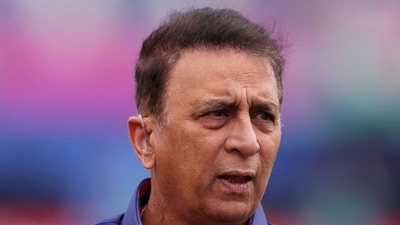
File photo of Sunil Gavaskar
There were many things that worked for Gavaskar – extraordinary patience, excellent technique, tremendous understanding of his game, the ability to problem-solve long before it was considered fashionable, immense powers of concentration, the unfathomable equilibrium to embrace self-denial, and a range of strokes that he didn’t always showcase because he felt he couldn’t owing to the risks that came with them – but these were all elements that didn’t come about by accident. A conscious effort to keep raising the bar and keep the flag of Indian batting flying high drove him to such unprecedented heights that by the time he called it quits from the game in 1987, he had both the most Test runs (10,122) and centuries (34).
Those marks have been surpassed, as they inevitability will, though he takes no little pride in the fact that both are now held by the man viewed as his natural successor, the peerless Sachin Tendulkar.
Gavaskar’s association with international cricket is now into its 54th year; apart from being a vital part of several monumental highs in Indian cricket, he has also seen the best and worst from close quarters in his capacity as analyst and commentator in the 37 years since his retirement and is perfectly positioned to call things as they are, without fear or favour. There is no one more qualified to reflect on the state of the Indian batting on this tour of Australia, where the top order has been a massive letdown in all but one of five completed innings so far – the second innings in Perth.
India have only two individual hundreds and three half-centuries in a series where batting has been a huge problem for both teams, apart from the outrageously Travis Head. Australia have nosed ahead because they have a crack pace attack; India have been largely about Jasprit Bumrah, with Mohammed Siraj a game trier but the lack of experience evident in both Harshit Rana and, to a lesser extent, Akash Deep.
Why is India’s top-order struggling in Australia?
“I just get the feeling that there is a certain urgency, a certain rush that the Indian batters are showing, which on Australian surfaces when the ball is new and the bounce is something that you are not used to, is causing them problems,” Gavaskar tells Hindustan Times as he dissects India’s problems. “That is probably the main reason why we haven’t seen the top order score as much with the half-push, half-drive kind of strokes they are attempting.
“Sometimes, it is about what the team decides and what the team wants. If the team says that this is the approach we are going to have, then even if that approach is not something you are used to or you are comfortable with, it is something you have got to follow. Whether that is what the team is saying, that we are going to be aggressive batters, I wouldn’t know because I am not in the change room. But these are all five-day Test matches and very few matches last all five days,” he points out. “There is plenty of time to be able to play the shots once you’ve got the hang of what the pitch is doing. The bowlers can be tired out after maybe an hour’s batting. I don’t know if it is a team approach to go straight at the bowlers from the beginning.”
The channel outside off is generally every batter’s bugbear, and it has been since the inception of the game. Ask him how he approached that challenge, and pat comes the reply, “See, even I’ve got out multiple times, caught behind. It is a very regular form of dismissal for every batter. There is no batter who can say that he has not been caught behind the stumps pushing, because that is the skill of the bowler — to get you to push and reach for deliveries which you think are drivable and then you end up getting caught behind or caught in the slips (when they are not there for the drive). When we played, our main aim really — as we were coached and taught — was to play in the ‘V’. It was very much like playing from the right side of extra-cover, to, say, the left side of mid-wicket. That was a good starting point because you were going to be showing the full face of the bat.
India’s Virat Kohli has been dismissed multiple times while poking at deliveries outside the off stump.(AP)
“As you settled in, automatically that ‘V’ would expand and could cover the area from square leg to backward point. And then if you played off the back foot, even from the left of backward point to the right of square leg, all those areas opened up. That was what we were told. I played for sessions. For me, I didn’t have any individual scoring targets. I just wanted to play one session, then focus on the next session, get to the next session and then maybe to the end (of the day). That was what was my approach. I didn’t look at the scoreboard — I know a lot of people find it odd — because I seriously wasn’t interested in how many runs I’d made, I was only interested in knowing how many runs I had scored after I got out. Till then for me, batting was just staying at the crease and letting the runs come.”
It wasn’t just defence all the time, though, or mere occupation of the crease. There were occasions when a concerted push to score runs did occur, but even that was with caution and due diligence. “You took on the bowler, particularly spin bowlers, those who flighted the ball — you went down the pitch, didn’t allow them to get on top,” he remarks, with a proviso. “Driving them along the ground was the thing, because the boundaries were bigger maybe, the bats were not as good as they are now. Today, what has happened is, that you can hit a six with the power you have. Today’s guys are definitely much, much stronger, no question about it. The bats are much, much better and therefore you know once you hit a couple of sixes, you start thinking you can do that (all the time).
“The thing with the difference between a six and a four is the safety angle; the risk percentage goes up considerably higher for just two runs because if the ball hits the inside part of the bat or the outside part of the bat and not the middle, then it goes up in the air and you’re caught. That risk element is something we were aware of; we didn’t do it because we didn’t have the bats nor the power to hit the sixes. We had the Kapils (Dev) and Sandeep Patil who could hit sixes anywhere, but some of us like say maybe Vishy (Gundappa Vishwanath), myself, Dilip Vengsarkar, Yashpal Sharma, Mohinder Amarnath, we were more looking at fours, and singles and twos.”
Just as not hitting the ball in the quest for sixes is an exercise in self-denial, so was Tendulkar cutting off the drive on the up in the Sydney Test in 2004, a stroke that had brought him plenty of grief in the three preceding Tests. Tendulkar almost completely ignored the off-side and went on to make an unbeaten 241, hailed as one of the great knocks for the strokes he did not play. Not many might be aware that Gavaskar was a compulsive hooker and puller when he made his Test debut, but deliberately and studiedly put those strokes away within a couple of years of his maiden outing in the Caribbean.
“You look at the percentage of success, like I just now talked about the percentage between a four and a six,” he explains, patiently. “The risk percentage almost doubles or triples from hitting a boundary along the ground to hitting a six in the air. Similarly, the risk percentage for me was the factor (in stopping himself from playing the hook and the pull). Also, the truth, if I might use the word, is that within a couple of years after I made my debut, we had the cream of the Indian batting line-up then, retiring. That put a load on the shoulders of Vishy and myself to a great extent. Not that there were no other batters, but clearly, we suddenly became senior players. And we suddenly became senior players even before we were 24 or 25. That meant you had to play in a responsible way. You could not play the hook shot — I could not. The hook shot was something I hit in the air most times. I took upon it as a challenge and a scoring opportunity. You know, on my first trip, I can’t recall ducking under any bouncer. I was going for it, maybe playing and missing it, but I went for just about every bouncer. I was a baby in the team. For me, the responsibility factor, the responsibility of the entire batting, was not on me.
“Then I said look, this is a shot that can get me into trouble because I cannot keep it on the ground all the time. I hit it up in the air. That’s one. And with the extra pace coming in, with the square cut also, it used to be one of my favourite shots. But it was a shot that was likely to get me into trouble because if the ball bounced a little higher, then I could be caught behind. Those two shots were just put in cold storage.”
How, is all escapes one’s lips when he comes back with, “I just said to myself, even if there was a short ball, when the bouncer started to come along, I started to sway away from it or duck under it. When the shortish, short of length ball came along for the square cut, I would shoulder arms and not play the square cut.”
When you have recovered from the simplicity of that idea, you manage to verbalise the thought that you weren’t referring to the physicality of not playing those strokes, but where the mental discipline came from.
He chuckles, knowingly, “That’s it. I had made up my mind that these are the shots that I will not play, at least till I’m well set. It’s not that I totally avoided them. I won’t say that I completely eradicated those shots from my book. But I was very choosy when I played them – only when I was 100% certain that these shots would get me runs and would not get me out.”
Gavaskar explains how Rohit and Kohli can get back amongst runs
The conversation shifts to Virat Kohli and his travails outside the off-stump. Kohli has been dismissed all four times flirting at balls in the corridor, some of which he could well have desisted from having a go at. “Look, he’s scored thousands of runs through that extra-cover drive,” Gavaskar insists. “It’s something that is probably the best shot in the world today, the Virat Kohli extra-cover drive. Not so much the cover-drive, but the one that goes between mid-off and extra-cover. That’s a wonderful shot to see. That’s a full-face-of-the-bat shot. And because he gets so many runs from that shot, he’s tempted to go for that because that’s a very productive shot for him. Maybe that is the reason why he is looking to play over there and gets out. If you see, it’s not that he has opened the face of the bat. It’s not that he is looking to play to the covers. If that was happening, then you could say, hey, don’t play towards cover. But it’s a shot that has got him thousands of runs. Only this time, maybe the late movement is getting him out.”
A hearty laugh emanates when you ask him how Kohli gets out of that rut. “That’s up to him. It is really up to him, what he does,” he manages, once he has got his infectious laugh under control. “But you don’t score X thousand runs in international cricket and get that many hundreds unless you know how to approach and build a Test innings. I am sure this one week will give him a lot of time to look at his dismissals. More than the dismissals, I would like him and even Rohit (Sharma, the captain) to look at all the innings where they have scored brilliant centuries. That is what is going to make them start believing. I want that positivity to come into their thinking rather than them thinking only about getting out to deliveries that are on the off-stump.”
India’s Rohit Sharma walks off the field after his dismissal by Australia’s bowler Pat Cummins(AFP)
Rohit has had even worse time than Kohli in the last three months, with a solitary score of more than 50 in 13 innings and a multitude of single-digit outs. “I think it’s just a bad patch,” Gavaskar says. “Everybody goes through a bad patch and that’s what’s happened to him. Again, like I said, he should look at all the videos where he’s scored century after century. Those are the videos that start giving you positive thoughts. Sometimes, when you have not scored runs in 2-3 matches, you start to doubt yourself. But seeing these videos where they have scored runs is the best way to get positive thoughts and energy before the next Test.
“Both Virat and Rohit have the ability; they’ve been playing international cricket for so long, they certainly have the ability. Both these players are so good, I feel they’re just one good innings away from coming back to form. Just one innings. And that, all Indians are praying, happens in the Boxing Day Test.”
As the evening draws to a close, you can’t help but ask what words of advice he has for the young duo of Shubman Gill and Yashasvi Jaiswal, neither of whom has a great overseas record even though the latter unleashed a giant 161 in the second innings in Perth. “Take your time,” he remarks, without drama. “Don’t start looking for boundaries straightaway. Pushing for twos and threes with a straight bat, a vertical bat, will reward you a lot more than looking to score the boundaries at the start of the innings. Those boundaries will come the longer you stay at the crease, and come very easily.”
Free advice, on a platter. Worth 10,122 runs, 34 centuries and a lifetime of cricketing wisdom.
Two people have been killed, including a child, and dozens injured after a car drove into a crowd at a Christmas market in the eastern German city of Magdeburg, officials say.
In a statement, authorities said 68 people had been injured, 15 of whom seriously.
Reiner Haseloff, the premier of the state of Saxony-Anhalt, told reporters at the scene that the suspect – who has been arrested – was a 50-year-old Saudi citizen who arrived in Germany in 2006 and had worked as a doctor.
He said a preliminary investigation suggested the alleged attack was acting as a lone wolf and that he could not rule out further deaths due to the number of injured.
Getty Images
The suspected attacker’s motive is unclear, and he has no known links to Islamist extremism – social media and posts online appear to suggest he’d been critical of Islam.
Footage from the scene shows numerous emergency services vehicles attending while people lay on the ground.
Further footage then emerged of armed police confronting and arresting a man who can be seen lying on the ground by a stationary vehicle.
Unverified video on social media purports to show a car ploughing into the crowd at the market.
City officials said around 100 police, medics and firefighters, as well as 50 rescue service personnel rushed to the scene.
German Chancellor Olaf Scholz said: “My thoughts are with the victims and their loved ones. We stand by their side and by the side of all Magdeburg residents. My thanks to all the emergency services in these difficult hours.”
Scholz will visit the city on Saturday, Haseloff said, and there will be a memorial service for the two victims at the Magdeburg Cathedral.
Getty Images
Officials say around 100 firefighters and 50 rescue workers are at the scene
In an interview with German paper Bild, Nadine, described being at the Christmas market with her boyfriend, Marco, when the car came speeding towards them.
“He was hit and pulled away from my side,” the 32-year-old told the paper. “It was terrible.”
Meanwhile, Lars Frohmüller, a reporter for German public broadcaster MDR, told BBC Radio 4’s World Tonight he saw “blood on the floor” as well as “many doctors trying to keep people warm and help them with their injuries”.
When the incident occurred, Magdeburg’s football team were playing against Fortuna Dusseldorf.
After the game finished, the team’s players united in a line in front of their supporters. A statement from the club said its “thoughts are with those affected by the terrible events and the Magdeburg Christmas market”.
Meanwhile, a minute’s silence was held at the end of a match between Bayern and RB Leipzig in Munich.
Friday’s incident is not the first time people at a Christmas market have been attacked in Germany.
Two years later, a gunman opened fire on a Christmas market in the eastern French city of Strasbourg, killing five and injuring another 11 people. The gunman was shot dead by police two days later.
Only last month, German Interior Minister Nancy Faeser talked about the need for “greater vigilance” at the highly popular markets – but said there were no “concrete” indications of danger.
She also reportedly pointed to tougher laws on weapons in public spaces following a knife attack in Solingen, west Germany, in August in which three people died – an incident which reignited an already fraught debate on asylum and migration in Germany.