Sunday, September 27, 2026
Home Blog Page 365

Kerala CM’s announcement live update: Congress Legislature Party meeting today, CM’s suspense may end

0
Kerala CM’s announcement live update: Congress Legislature Party meeting today, CM’s suspense may end


Kerala Chief Minister Announcement Live: KC Venugopal is the frontrunner to become the Chief Minister of Kerala as several Congress leaders supported him for the post during an important meeting on Tuesday.

Kerala Chief Minister’s announcement live updates: The Congress Legislature Party (CLP) is scheduled to meet at the KPCC headquarters on Thursday afternoon to elect its MLA leader, as the party moves towards announcing its chief ministerial candidate for Kerala. While all three other states and the Union Territory of Puducherry where simultaneous elections were held now have new Chief Ministers, Kerala still does not know its next CM as the Congress has failed to announce its choice for the post even after almost 10 days of the results being declared.

CLP meeting on 14th May

According to the statement issued by KPCC chief Sunny Joseph on Wednesday, the CLP meeting will be held on May 14 at 1 pm.

The announcement came as the Congress high command indicated that the suspense over the next Chief Minister of Kerala is expected to end on Thursday, almost 10 days after the assembly election results were declared.

Kerala Government News | key points

-Ever since the Congress-led faction in Kerala won 102 of the total 140 seats in the state assembly, several names have emerged as potential candidates for the post of chief minister – the most prominent: KC Venugopal, VD Satheesan and Ramesh Chennithala.

-After the meeting held at the residence of Rahul Gandhi and Congress President Mallikarjun Kharge in New Delhi, party general secretary Jairam Ramesh said that the leadership has completed discussions on this matter.

Ramesh told reporters, “As authorized by the CLP members in Kerala, the Congress high command has completed all discussions and the decision on who will be the next Chief Minister of Kerala will be announced tomorrow.”

-The Congress-led UDF won more than two-thirds majority in the Kerala Assembly elections, but the party has been engaged in a long-running debate on the leadership issue amid lobbying by various camps and opposition from grassroots workers.

-AICC general secretary KC Venugopal, outgoing Kerala Assembly opposition leader VD Satheesan and senior party leader Ramesh Chennithala are among the prominent names being considered for the post.

-Rahul Gandhi has held separate discussions with several Kerala leaders and former state Congress chiefs in recent days to assess the political situation before the high command moves towards a final decision.

…read more

CLP meeting on 14th May

According to the statement issued by KPCC chief Sunny Joseph on Wednesday, the CLP meeting will be held on May 14 at 1 pm.

The announcement came as the Congress high command indicated that the suspense over the next Chief Minister of Kerala is expected to end on Thursday, almost 10 days after the assembly election results were declared.

Kerala Government News | key points

-Ever since the Congress-led faction in Kerala won 102 of the total 140 seats in the state assembly, several names have emerged as potential candidates for the post of chief minister – the most prominent: KC Venugopal, VD Satheesan and Ramesh Chennithala.

-After the meeting held at the residence of Rahul Gandhi and Congress President Mallikarjun Kharge in New Delhi, party general secretary Jairam Ramesh said that the leadership has completed discussions on this matter.

Ramesh told reporters, “As authorized by the CLP members in Kerala, the Congress high command has completed all discussions and the decision on who will be the next Chief Minister of Kerala will be announced tomorrow.”

-The Congress-led UDF won more than two-thirds majority in the Kerala Assembly elections, but the party has been engaged in a long-running debate on the leadership issue amid lobbying by various camps and opposition from grassroots workers.

-AICC general secretary KC Venugopal, outgoing Kerala Assembly opposition leader VD Satheesan and senior party leader Ramesh Chennithala are among the prominent names being considered for the post.

-Rahul Gandhi has held separate discussions with several Kerala leaders and former state Congress chiefs in recent days to assess the political situation before the high command moves towards a final decision.

Follow all updates here:

May 14, 2026 7:54:08 am First

Kerala Chief Minister Decision Live Updates: 10 days after assembly election results, Congress may reveal Kerala Chief Minister selection today

Kerala Chief Minister Decision Live Updates: Ten days after the Kerala Assembly election results were declared, the southern state may finally know the name of its Chief Minister.

The Congress, which won 63 of the 102 United Democratic Front (UDF) seats, is set to announce the name of the chief minister during the legislature party meeting in Thiruvananthapuram on Thursday, a party official said.

“As authorized by the CLP members in Kerala, the Congress high command has completed all discussions and the decision on the next CM of Kerala will be announced tomorrow,” Congress communications chief Jairam Ramesh said after the meeting between senior Congress leader Rahul Gandhi and party general secretary (organisation) KC Venugopal, who is one of the three strong contenders for the CM post.

The other two contenders are outgoing leader of opposition in the Kerala Assembly VD Satheesan and senior Congress leader Ramesh Chennithala. The meeting comes amid reports from Kerala that a large number of Congress workers have gathered at Satheesan’s house in Aluva and the party’s district offices.

May 14, 2026 7:50:03 am First

Kerala CM Decision Live Updates: Rahul meets Kharge for final discussions to choose Kerala CM

Kerala CM Decision Live Updates: As suspense continues over who will be the next Chief Minister of Kerala even 10 days after the announcement of assembly election results, Congress leader Rahul Gandhi on Wednesday held a final round of discussions with party chief Mallikarjun Kharge.

The Congress leadership is unable to decide on a chief ministerial face after the United Democratic Front (UDF) won with a two-thirds majority in the recently concluded elections in the state.

Gandhi went to Kharge’s residence for the meeting, which lasted for about 40 minutes. No official statement was issued immediately after the meeting.

Gandhi had earlier met several Kerala leaders and about eight former state unit chiefs to ascertain the ground situation. (PTI)

May 14, 2026 7:45:14 am First

Kerala Chief Minister Announcement Live Updates: Congress to announce Kerala Chief Minister post on Thursday

Kerala CM announcement LIVE updates: Congress will announce its chief ministerial post in Kerala on Thursday, the party said here after days of suspense, intense lobbying and marathon discussions.

After a nearly 40-minute meeting at the residence of Rahul Gandhi and Congress chief Mallikarjun Kharge, party general secretary Jairam Ramesh said the decision on the next Chief Minister of Kerala will be announced tomorrow as the party high command has completed all discussions in this regard.

The suspense regarding party selection will end 10 days after the declaration of assembly election results. The Congress-led United Democratic Front (UDF) had secured a two-thirds majority in the Kerala Assembly elections.

“As authorized by the CLP members in Kerala, the Congress high command has completed all discussions and the decision on who will be the next Chief Minister of Kerala will be announced tomorrow,” Ramesh said. (PTI)

May 14, 2026 7:38:05 am First

Kerala CM’s announcement live updates: Congress’ race for chief ministerial post remains tense as supporters gather at leaders’ homes in Kerala

Kerala CM announces live updates: In Kerala, the houses of Congress chief ministerial candidates Ramesh Chennithala and VD Satheesan were packed with eager supporters throughout the day on Wednesday as suspense continued over the party’s leadership choice.

The wait finally eased late in the evening when AICC general secretary Jairam Ramesh said in New Delhi that the Congress high command would announce its decision on Thursday.

AICC organization general secretary KC Venugopal, outgoing Kerala opposition leader Satheesan and senior party leader Chennithala are in the race for the top post following the victory of the Congress-led UDF in the April 9 elections.

As word spread that the Congress high command would take a final decision after Rahul Gandhi meets party president Mallikarjun Kharge in New Delhi on Wednesday evening, the houses of CM contender Chennithala in Vazuthacaud in Thiruvananthapuram and Satheesan in Aluva near Kochi became centers of tense anticipation. (PTI)

May 14, 2026 7:30:07 am First

Kerala CM’s announcement live updates: NSS general secretary says Kerala CM’s decision delayed due to interference from UDF allies

Kerala CM announcement live updates: NSS general secretary G Sukumaran Nair on Wednesday said UDF alliance partners, including IUML, should not have interfered in the Kerala Chief Minister selection process and their interference led to the delay in the decision.

Nair claimed that not only the Indian Union Muslim League (IUML), but other UDF alliance parties also interfered in the selection process, which was an internal matter of the Congress. He said that he should not have interfered or supported any leader under consideration for the post.

He said, “The delay in the decision by the central leadership of the Congress is due to this interference. If it had not happened, the decision would have come much earlier.”

Nair also claimed that there was some mystery behind the poster campaign in support of the three leaders – KC Venugopal, VD Satheesan and Ramesh Chennithala. (PTI)

May 14, 2026 7:26:31 am First

Kerala CM announces live updates: Kerala CLP meeting to elect MLA leader on May 14

Kerala CM announcement LIVE UPDATES: The CLP meeting to elect its MLA leader is scheduled to be held at the KPCC headquarters here on Thursday afternoon, as the party moves towards announcing its chief ministerial candidate for Kerala.

According to the statement issued by KPCC chief Sunny Joseph on Wednesday, the Congress Legislature Party meeting will be held on May 14 at 1 pm.

The announcement came as the Congress high command indicated that the suspense over the next Chief Minister of Kerala will end on Thursday, almost 10 days after the assembly election results were declared.

After the meeting held at the residence of Rahul Gandhi and Congress President Mallikarjun Kharge in New Delhi, party general secretary Jairam Ramesh said that the leadership has completed discussions on the issue. (PTI)

May 14, 2026 7:24:01 am First

Kerala CM Announcement Live Updates: What’s happening in the Kerala Chief Minister race?

Kerala Chief Minister Announcement Live Updates: Congress General Secretary Jairam Ramesh has now announced that discussions within the party have been completed and the Kerala Chief Minister will be announced today.

A week after the declaration of assembly election results, the wait for a Chief Minister for Kerala is expected to end soon as the Congress is likely to announce its selection for the top post after much discussion and deliberations.

Several Kerala Congress leaders, including five former Kerala Pradesh Congress Committee (KPCC) chiefs, the United Democratic Front convenor, the KPCC disciplinary committee chief and three KPCC working presidents, met Rahul Gandhi on Tuesday to discuss and choose a chief minister for Kerala.

May 14, 2026 7:07:29 am First

Kerala Chief Minister Announcement Live Updates: After 10 days of suspense, Congress is expected to announce Kerala Chief Minister today

Kerala CM announcement LIVE UPDATES: Congress on Wednesday said it will announce its chief ministerial berth for Kerala on Thursday, ending days of suspense, intense discussions and marathon deliberations within the party following the Congress-led UDF’s comprehensive victory in the assembly elections.


Families demand release of Pakistani crew captured by Somali pirates | Protests

0
Families demand release of Pakistani crew captured by Somali pirates | Protests


NewsFeed

Families of 10 Pakistani crew members taken hostage by Somali pirates have rallied in Karachi to demand their release. The crew of the Honour 25 have been held for more than three weeks. Hijackings off the coast of Somalia are on the rise in the wake of the US-Israeli war on Iran.


Centre raises gold, silver import duties to 15% amid West Asia turmoil

0
Centre raises gold, silver import duties to 15% amid West Asia turmoil


The central government has raised customs duties on imports of precious metals, including gold and silver from 6% to 15%, just days after Prime Minister Narendra Modi urged people to adopt austerity measures such as deferring decisions to buy gold by one year to save previous foreign exchange amid global economic upheavals due to the war in West Asia.

Gold bangles on display at a jewellery store in Delhi. (Reuters)

“The policy measure aimed at safeguarding macroeconomic stability, conserving foreign exchange, and moderating non-essential imports during a period of heightened global uncertainty arising from the ongoing West Asia crisis,” a government official said requesting anonymity.

Import duty on gold and silver has been increased from 6% to 15%, while the import duty on platinum has been increased from 6.4% to 15.4%. Consequential changes have also been made to other items such as gold and silver doré, coins, and findings, he said.

“The current geopolitical situation has created significant volatility in global crude oil markets and international shipping routes. As a large importer of crude oil, India remains vulnerable to elevated energy prices and supply-side disruptions, which can increase the import bill, exert pressure on inflation, and the current account deficit (CAD). In such circumstances, prudent management of the country’s external sector becomes essential,” he said.

Historically, customs duty adjustments have been used as one of several policy instruments to support macroeconomic stability and effectively manage CAD-related pressures during periods of global volatility.

India’s foreign exchange resources must, therefore, be prioritised towards essential imports such as crude oil, fertilisers, industrial raw materials, defence requirements, critical technologies, and capital goods, the official said. These imports directly support economic activity, food security, infrastructure, manufacturing, exports, and national security, he added.

In contrast, precious metals, while culturally and financially significant, are predominantly consumption and investment driven in nature. Such imports involve substantial outflow of foreign exchange. Further, precious metals occupy a unique position in the import basket because they involve significant foreign exchange outflows while being relatively less linked to productive industrial activity compared to sectors such as energy, manufacturing inputs, infrastructure, or technology.

“In periods of heightened geopolitical and commodity market volatility, policymakers often seek to prioritise external resources towards areas with higher strategic and economic multiplier effects. Therefore, during periods of external stress, measured moderation of discretionary imports may contribute significantly to overall macroeconomic stability and prudent external sector management,” he said.

The increase in customs duty on precious metals is intended to moderate avoidable import demand and ease pressure on the external account. The measure is neither prohibitory nor anti-consumer in nature. It is a carefully calibrated and proportionate intervention designed to encourage moderation in non-essential imports at a time when external vulnerabilities remain elevated, the official said.

“The measure is also aligned with the broader national economic discipline emphasised by the Prime Minister in the context of the evolving global situation. Citizens have been urged to reduce avoidable foreign expenditure, promote domestic alternatives, conserve fuel, and support national economic resilience through responsible consumption choices. In this broader context, moderation in discretionary precious metal imports may be viewed as part of a wider collective effort to strengthen economic stability during a period of uncertainty,” he said.

The decision reflects a preventive and forward-looking approach to external sector management. As mentioned earlier, customs duty has historically served as an effective policy instrument for moderating non-essential imports and managing CAD-related pressures during periods of global volatility. Through this measure, the government seeks to prudently manage emerging risks and reduce vulnerability to potential external shocks before pressures intensify further, he said.

The duty increase also sends a clear signal of prudent economic governance. It demonstrates that India is responding proactively to emerging external risks through timely, measured and targeted interventions, thereby reducing the need for more disruptive corrective measures at a later stage, he said. “Further, rather than resorting to quantitative restrictions or more severe import management tools, the approach relies on moderate price-based disincentives that preserve market flexibility and consumer choice,” he said.

Customs duty on precious metals has historically been calibrated in response to prevailing macroeconomic and external sector conditions. During periods when external pressures moderated, foreign exchange reserves strengthened, and macroeconomic stability improved, customs duty rates on precious metals and related products have also been rationalised downward. A recent example is the Union Budget 2024–25, where customs duties on gold and silver were reduced from 15% to 6%, and on platinum from 15.4% to 6.4%, reflecting a more comfortable macroeconomic and external sector position at the time. Therefore, historically such duty calibrations have remained responsive to evolving economic and external conditions.

Overall, the current increase in import duty on precious metals is a part of a broader strategy aimed at conserving foreign exchange, protecting the current account, prioritising essential imports, and strengthening India’s economic resilience in the face of evolving global uncertainties. The measure represents a balanced, proportionate, and nationally responsible response to extraordinary external conditions while maintaining due regard for macroeconomic stability and long-term economic resilience.


Why the increasing number of tigers in MP is more than a ‘main’ issue. india news

0
Why the increasing number of tigers in MP is more than a ‘main’ issue. india news


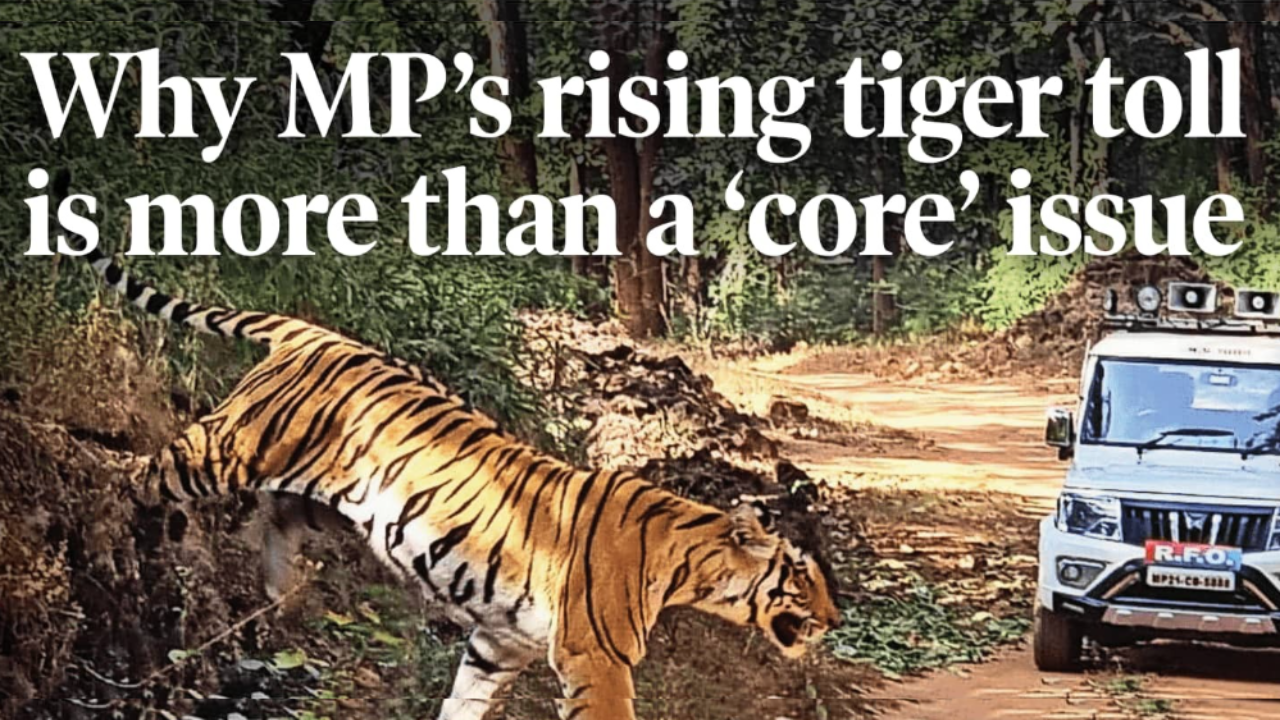
The state has lost 32 tigers in the first five months of 2026. Poaching is under control, but electrified fencing outside core areas has emerged as a major threat to the big cat. Canine distemper virus has killed a tigress and four cubs, raising concerns KanhaFive months, 32 dead tigers and not nearly enough answers. The recent incident of death of big cats, including a tigress and her four cubs, in Kanha in Madhya Pradesh has once again put the famous tiger reserves of the state in the spotlight. However, the real story behind the increasing numbers of big cats may not be inside their protected boundaries, but outside them. Forest officials said the most recent deaths have occurred outside the main reserve areas, where growing tiger populations are increasingly clashing with human-dominated landscapes. Here, crude electric wire traps – often laid illegally to kill wild boars and other animals for bushmeat or to protect crops – are emerging as one of the biggest threats to the big cats.Poaching networks that were once linked to international wildlife trade syndicates have been largely dismantled, officials said. However, in their place, a more localized and difficult to monitor threat has spread across the state. Electric shock is now at the center of changing patterns of tiger deaths.treacherous terrainAccording to the latest tiger estimation done in 2022, Madhya Pradesh is home to 785 out of India’s total tiger population of 3,682. The state has seen the fastest growth in tiger numbers in the country, recording an increase of 49% between 2018 and 2022 – almost double the national growth rate of 24%.But although the number of tigers has increased, their habitat has not expanded at the same pace. The result, officials said, is the increasing spread of big cats into protected forests and beyond reserve boundaries. Tigers are highly territorial animals and often come into conflict with members of their own species, often forcing weaker, older or younger tigers to move out in search of new territories.As sanctuaries become increasingly overcrowded, many tigers are increasingly moving into buffer forests, agricultural areas and village outskirts in search of space. Officials estimate that about 40% of the state’s tigers now roam in areas located outside protected areas, while about 20% move through heavily human-dominated landscapes surrounded by roads, farms and power lines.

Forest officials said the pattern of tiger deaths in the state is changing due to the increasing overlap between tiger movement routes and human settlements. Nearly 80% of tiger deaths reported this year have occurred outside protected areas, with many of the carcasses recovered several kilometers away from reserve forests. Dispersion activities often bring tigers into direct conflict with villages, while they also face threats in agricultural areas where electrified wires are used illegally to deter or kill herbivorous animals such as wild boars and nilgai.Samita Rajora, MP’s chief wildlife warden, said electric shock has emerged as one of the most significant threats in these marginal landscapes. “Our analysis shows that seven tigers died this year due to electric shock, mainly from wire traps set up to protect wild meat or farm animals,” he said.Officials said many such traps involve illegal tapping of traditional 11kV power lines used for domestic and agricultural supply in villages on the fringes of forests. According to Special Tiger Protection Force (STPF) chief Ritesh Sirothia, poachers or those hunting for meat of wild animals often trap them using overhead lines using bamboo poles and create crude live-wire traps by extending the wires in the path of the animals.“When an animal comes in contact with the wire, it receives a severe electric shock, causing burns, paralysis and, in most cases, death,” Sirothia said. “Electric line tripping records become vital evidence in such cases. Whenever a person, animal or object touches a live wire, it causes the line to short out to ground, triggering tripping of the power supply. These records record the exact time, date, duration and location of the interruption, and often help establish timelines and confirm incidents of poaching.“According to officials, areas along the Bandhavgarh Tiger Reserve and Pench Tiger Reserve are currently emerging as particularly sensitive areas. “We are focusing on these high-risk areas and strengthening coordination with the power and revenue departments. Efforts are underway to analyze power-line trip data along with GPS locations to identify lightning strike hotspots,” Rajora said.numbers tell a storyComprehensive mortality data reflects the changing nature of threats facing Madhya Pradesh’s tiger population. In 2025, the state recorded the death of 55 tigers – meaning the mortality rate is about 7%, slightly higher than the national average of 5%, though officials said this is within ecological limits given the state’s density and growing tiger numbers.According to state forest department data, about 69% of these deaths were due to natural or accidental causes, including territorial fights, disease, age, road and train accidents and injuries sustained during conflict. At least 13 deaths involved cubs under one year of age – a category known to have a naturally high mortality rate and, therefore, is excluded from national tiger estimates.But officials acknowledge that more worrying trends lie elsewhere. Nearly one in every five tiger deaths recorded in the state last year was linked to electrocution, mainly from illegal electrical wiring. However, officials said most of these incidents did not involve evidence of deliberate tiger hunting or illegal trade of body parts. About 11% of deaths fall into the category of confirmed poaching cases – instances where tiger body parts were recovered and accused persons were identified or arrested.Officials highlighted that MP’s comparatively high detection rate of tiger deaths also shapes the numbers. Based on 2025 data, the national tiger mortality detection rate was around 54%, while MP recorded a higher detection rate of around 84%. Officials attribute this to intensive patrolling and monitoring systems that ensure that most tiger deaths occurring in remote regional divisions and buffer areas are ultimately detected and documented.Wire Traps, Deadly by DesignWhile poaching networks have weakened over the years, officials say the threat has increasingly shifted to decentralized actors – bush poachers and farmers who use crude electrified wire nets and fences to protect crops.Recent cases show how brutal and difficult to trace these deaths can be. In Seoni, a tigress died after being electrocuted by an illegal live-wire setup near a farm. Its body was dumped in a well, in what investigators suspect was an attempt to destroy evidence. Burnt wires were recovered from the spot and forensic investigation conducted under National Tiger Conservation Authority (NTCA) protocol confirmed the cause of death to be electric shock.In another case, in Chhindwara, a radio-collared tiger shifted from Bandhavgarh Tiger Reserve to Satpura Tiger Reserve was reportedly poisoned and buried, while its collar was burnt to avoid identification. Investigators suspect that the murder may be linked to illegal activities, including opium cultivation, in the area. Officials also acknowledged that delays in responding to caller signals exposed flaws in surveillance systems.The risk is not new and the warnings are not new. In 2018, the then Additional Chief Secretary (Forest) and Principal Secretary of the Energy Department had jointly issued instructions to all field officers, calling for coordinated action to prevent the death of wildlife due to electric shock, including joint patrolling, monitoring of power lines and real-time response to line faults. But there has been very little change on the ground.Wildlife activist Ajay Dubey said the electricity department has been reluctant to share the responsibility. “If they had come forward for joint patrolling and immediate data sharing, the problem of electric shock could have been prevented,” he said.However, officials said preventive efforts are now being intensified through coordinated patrolling in sensitive areas, monitoring of illegal electricity connections, awareness campaigns in marginal villages and action under the Electricity Act, 2003.Danger of ‘killer’ virusIf lightning is increasingly becoming a major threat outside reserves, disease outbreaks are highlighting the risks within core habitats. Recently, the Kanha Tiger Reserve has been battling an outbreak of canine distemper virus (CDV), a highly contagious disease spread from domesticated dogs to wild carnivores. The outbreak killed five tigers from the same family – a tigress and her four cubs.In response, forest officials initiated emergency containment measures in the buffer villages adjacent to the Kanha Reserve. Around 100 dogs in eight villages have already been vaccinated, while a 2 sq km forest area linked to the outbreak has been sealed.Rajora said the department has activated a multi-layered response to prevent further spread. “Since the virus spreads through dogs, vaccination in buffer villages is important. We have initiated quarantine measures, vaccination drives and intensive surveillance in the affected landscape,” she said.Officials said water bodies inside the quarantine zone were drained, disinfected using lime and bleaching powder, and temporarily sealed to prevent other wildlife from accessing potentially contaminated sources. Forest teams have also restricted the movement of tourists and closed entry points into the area.


Gunshots fired in Philippine Senate where lawmaker wanted by ICC is holed up

0
Gunshots fired in Philippine Senate where lawmaker wanted by ICC is holed up


Senator Ronald dela Rosa, a former police chief, enforced former President Rodrigo Duterte’s deadly drug war.


With better than Rajdhani experience & 160 kmph speed, can Vande Bharat sleeper trains be a game-changer for Indian Railways?

0
With better than Rajdhani experience & 160 kmph speed, can Vande Bharat sleeper trains be a game-changer for Indian Railways?


With better than Rajdhani experience & 160 kmph speed, can Vande Bharat sleeper trains be a game-changer for Indian Railways?
Vande Bharat sleeper train

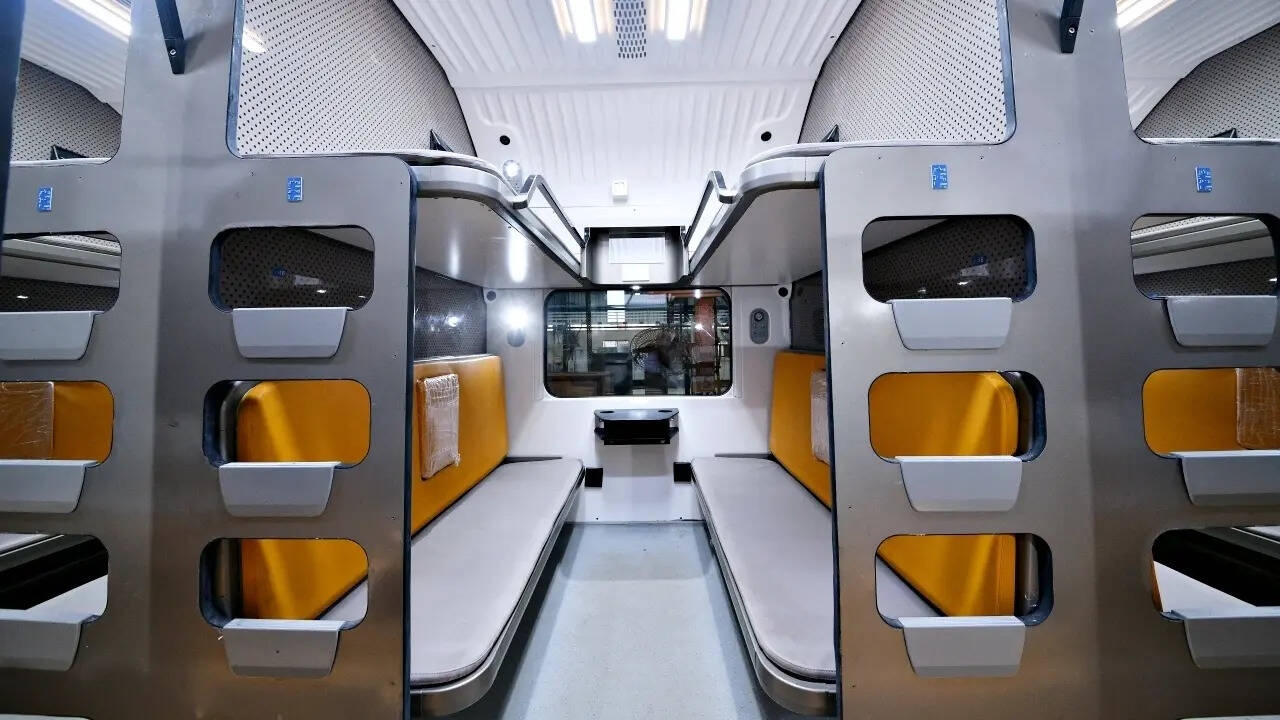
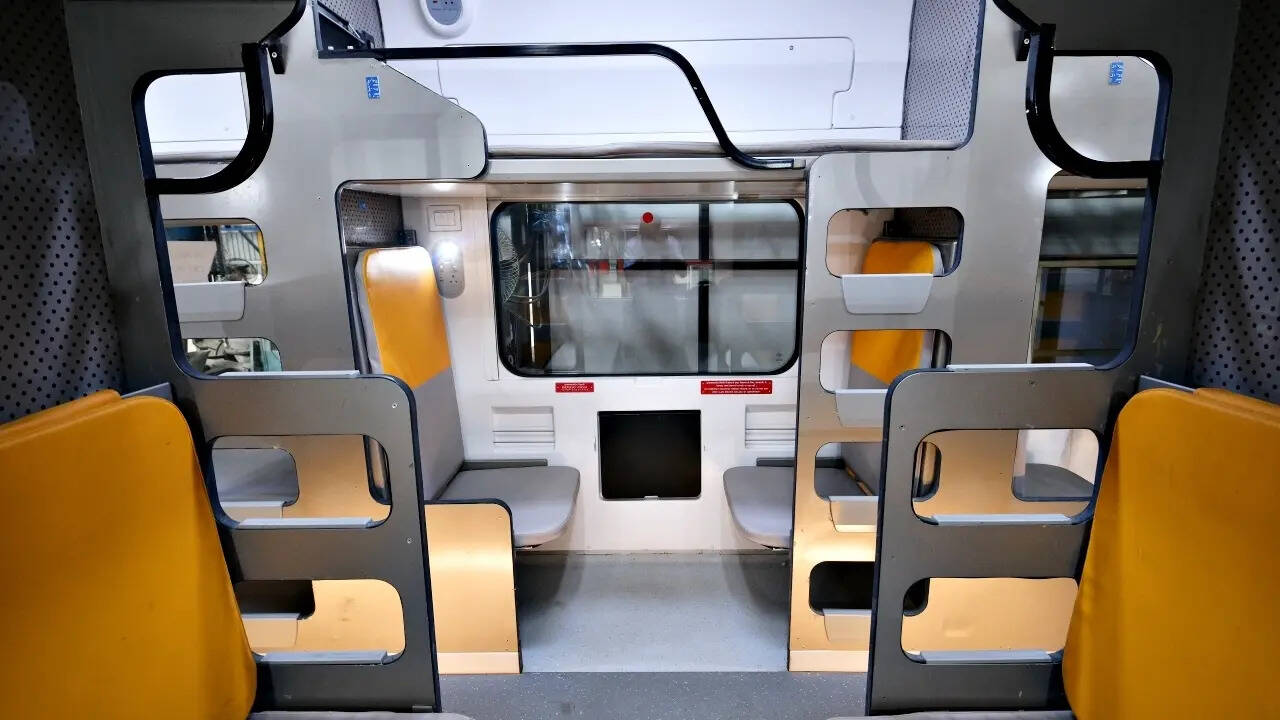
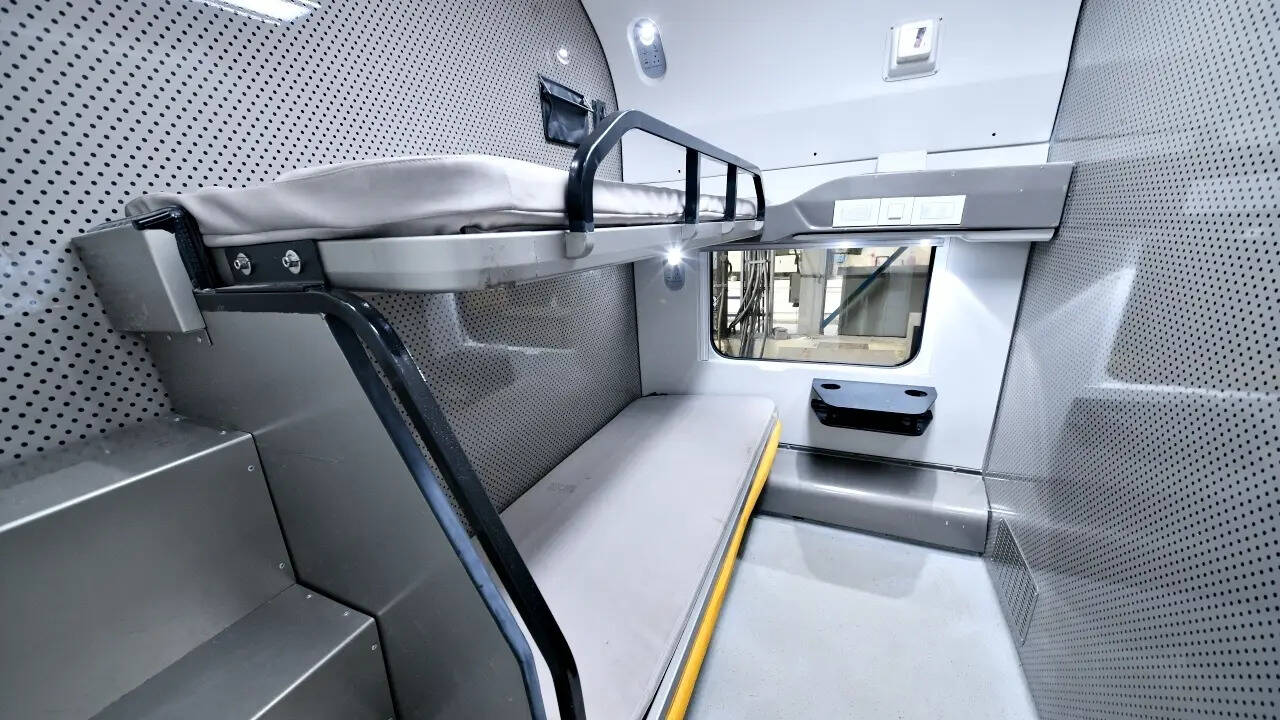
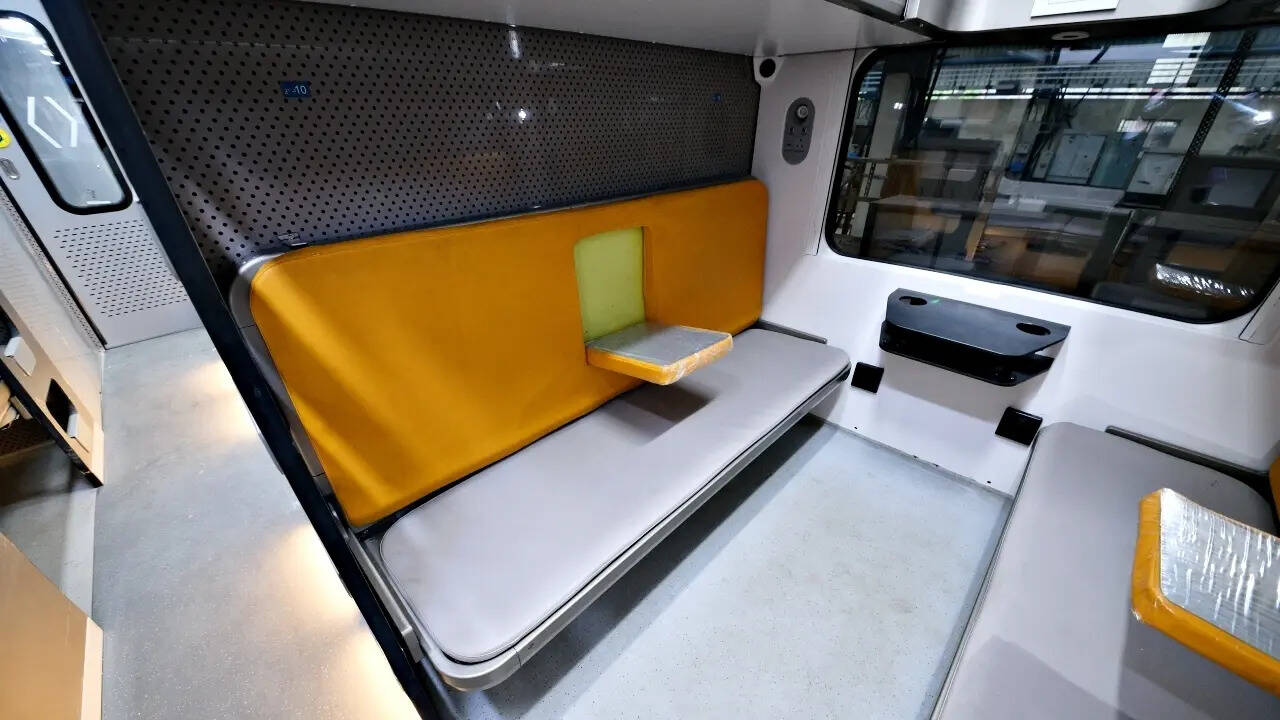
Premium trains – better than Rajdhani and Tejas Express – and offering enhanced passenger comforts and importantly higher average speeds will in the coming years be the new reality for overnight travel on Indian Railways – courtesy the Vande Bharat sleeper train project. Over 250 new trains are in the pipeline for rollout over the next few years – all with the aim to revamp long-distance rail travel and offer a world-class service experience to passengers.The first 16 coach Vande Bharat sleeper train was introduced earlier this year on the Guwahati-Howrah route, reducing travel time substantially and upping the passenger comforts offered. That was the first of many that are lined up by Indian Railways. The new train has a design speed of 180 kmph and an operational speed of 160 kmph, if permitted on the route it runs on.However, the project has faced several delays with the first ten train sets well behind schedule. Indian Railways has said that the new technology has required extensive testing, and the feedback from the prototype is being used to make improvements in the subsequent train sets.

Vande Bharat sleeper

What does the Vande Bharat sleeper train project mean for passenger travel on Indian Railways and will it be a game-changer for railways? Let’s take a look:

Vande Bharat Sleeper Train Project

A total of 260 trains of the Vande Bharat sleeper style will be manufactured. The first ten are being made by BEML in collaboration with ICF, Chennai. A multi-thousand crore project for 200 train sets has been awarded to two consortiums; 120 will be made by Kinet which is an Indo-Russian Joint Venture, and the remaining 80 will be made by Titagarh-BHEL consortium.Sources said that the first prototype rake from Kinet is likely to be ready by the first quarter of 2027. In the first year, Kinet hopes to manufacture 12 train sets of 16 coaches, 18 train sets in the second year, and from the third year onwards the annual target is for 25 train sets.The train from will be broadly comparable to the BEML Vande Bharat Sleeper variant; however, Kinet has incorporated several design enhancements. These include improved stair ergonomics, enhanced seat cushioning, reduced external noise and vibration levels compared to standard trains, optimized lighting systems, and better space utilization to enhance passenger comfort and overall travel experience.Sources also told TOI that around 50 Vande Bharat sleepers will be made by ICF, which will have a pantry car and be a 24-coach variant of the existing train. The designs of the train are currently being finalised.

The Speed Advantage

Vande Bharat sleeper trains make use of distributed power, with no locomotive. This allows for faster acceleration and deceleration, hence increasing the average speed and reducing travel time substantially. The biggest proof of that comes from Vande Bharat chair car trains, which are the fastest on their routes.Railway experts that TOI spoke to said that the new Vande Bharat sleeper project has the potential to speed up long-distance travel on the network, while offering an effective competition to air travel. The premium features of the train also stand out over Rajdhani and Duronto trains.Jagannarayan Padmanabhan, Senior Director & Global Head-Consulting at Crisil Intelligence believes that the Vande Bharat sleeper is not merely another AC rake – it’s a technical plus commercial tool that allows Indian Railways to offer true premium overnight alternatives to short-haul aviation and to extract higher revenue per asset via speed, comfort and ancillaries.

Vande Bharat sleeper

What works in the favour of the new trainset is its engineering. Vande Bharat Sleeper trains are primarily trainsets where motive power is distributed over the entire train. It has the inherent advantage of faster acceleration and deceleration and eliminating the need for reversal of the locomotives at the terminals, explains Shri Prakash, a retired Railway Board member.“Operational advantages of these trainsets are higher average speed which result in lower transit times and much lower terminal detentions,” he tells TOI.

The Revenue Boost

There is also the immense revenue potential for the national transporter, which runs most of its trains in losses due to subsidised fares.According to Jagannarayan Padmanabhan, the Vande Bharat sleeper project is materially positive for Indian Railways’ revenue upside in the premium overnight segment, where airlines have steadily been weaning away higher-yield AC passengers on 8–14 hour corridors by offering competitive “red-eye” schedules and faster end-to-end times.

Vande Bharat sleeper

“A faster, hotel-like Vande Bharat sleeper (better punctuality, comfort, and service consistency) gives Railways a credible product to arrest this shift—by converting flyers who value overnight time-savings (sleep while travelling) and city-centre to city-centre convenience, while still pricing below comparable last-minute air fares on many trunk routes,” he says.Importantly, the macro demand mix is already supportive: premium/AC travel has been a growth driver, and Indian Railways has projected ~16% passenger revenue growth in FY26 aided by demand for AC3 and premium trains (including Vande Bharat). In that context, Vande Bharat sleeper is not just a fleet upgrade – it’s a yield and market-share defense tool that can lift premium mix and realizations into 2025–26 as deployments scale, he adds.Shri Prakash tells TOI that the new train will be very useful for Rajdhani and Duronto train routes. Indian Railways can charge higher prices for providing faster overnight trains and thus increasing its revenue. On the flip side, higher prices may hasten the shift to air travel and hence there will be little scope for increasing existing Rajdhani type trains, he cautioned.He also believes that Vande Bharat sleeper trains will be useful for Delhi-Kolkata and Delhi-Mumbai routes where Indian Railways now have dedicated freight routes.“On other routes where there is a mixed traffic, both freight and passenger trains are in almost equal proportion, introduction of faster passenger trains like Vande Bharat will be at the cost of slowing down of freight trains and also affecting the capacity of route adversely. It will be better if Vande Bharat Sleeper trains are kept confined on these two routes for next few years till more capacity is generated on other important routes,” he tells TOI.

Attaining Potential Of The Vande Sleeper Project

While acknowledging that this project has potential to revamp premium travel experience, experts also say that it’s important for Indian Railways to upgrade other aspects of its infrastructure to derive maximum benefit.“The upside is substantial if Indian Railways couples rolling stock rollout with targeted corridor upgrades, modern signalling, disciplined route selection and commercial yield management. Without those complementary steps the trains will be a high-quality product with under-realised economic value and some routes may struggle, as seen with daytime Vande Bharat redeployments,” Jagannarayan Padmanabhan explains to TOI.

Vande Bharat sleeper

He advises that to derive maximum speed and capacity from premium services, Indian Railways should optimize for effective average speeds of 80–100 kmph, not just higher top speeds.For him, the operational ‘sweet spot’ lies in enabling trains to reliably cover around 500 kms distance in 5–6 hours with only two stops, which makes railways competitive on door-to-door time while remaining safer and better value than flying.“Achieving this requires disciplined timetables with dedicated premium paths, strict control of station dwell times, and a clear overtaking strategy so premium trains are not routinely stuck behind slower services,” he says.The expert says that the biggest payoff will come from systematically removing temporary and permanent speed restrictions through targeted track, turnout, and OHE upgrades on key corridors. “Capacity can be raised by running longer formations where platforms permit, adding frequency on high-demand routes, and using balanced dynamic pricing that protects affordability. Above all, reliability and punctuality must be treated as core premium features,” he adds.Indian Railways is focusing on speed – whether with new bullet train projects like the ones announced in this year’s Budget, or the latest semi-high speed project between Ahmedabad and Dholera that got a Cabinet nod on Wednesday.Vande Bharat sleeper trains, like their chair car versions, are an attempt to offer a premium experience for travellers, while at the same time ensuring faster, safer travel with minimal turnaround time. The success of all the new trains that will be launched in the coming years will ultimately rely on coordinated efforts to upgrade infrastructure across major routes on the network.


Virat Kohli’s INR 4.75 crore century wipes off INR 3.15 crore damage from 2 ducks with savage century vs KKR

0
Virat Kohli’s INR 4.75 crore century wipes off INR 3.15 crore damage from 2 ducks with savage century vs KKR


Virat Kohli arrived in Raipur carrying more than two ducks. He arrived with a two-match monetary hole in Royal Challengers Bengaluru’s season ledger.

Virat Kohli after his century against KKR in IPL 2026. (PTI)

The previous two matches had cost RCB ₹3.15 crore through Kohli’s slot in our model. His match allocation stood at ₹3 crore across those two games, but his adjusted output had gone below zero. For a player priced and judged at the level of Kohli, the damage was sharp because the returns had not merely dried up. They had turned negative.

Against the Kolkata Knight Riders, he repaired the whole block in one night.

Kohli’s unbeaten 105 off 60 balls in RCB’s six-wicket win was worth ₹4.75 crore in our model. His match fee was ₹1.50 crore, which gave RCB a profit of ₹3.25 crore from his performance alone. The three-match equation changed completely. The two ducks had created a ₹3.15 crore loss. The hundred generated a profit of ₹3.25 crore. Across the three-game stretch, Kohli moved from a liability to a marginal positive of ₹10 lakh.

That is the cleanest measure of the rescue. One innings erased the full financial damage of two failures.

Kohli’s hundred became a full ledger correction

The innings carried immediate cricket pressure. RCB were chasing 193. KKR had enough on the board through Angkrish Raghuvanshi’s 71 off 46, Rinku Singh’s 49 off 29, and Cameron Green’s 32 off 24. The chase was large enough to test RCB’s batting depth and urgent enough to punish any slow start.

Kohli killed that danger early.

He moved to 17 off six balls by the end of the second over after attacking Vaibhav Arora. RCB ended the powerplay at 66/1, with Kohli already on 30 off 14. That opening burst changed the chase’s shape. The required rate stayed under control, the dressing room avoided panic, and KKR could not use his recent ducks as pressure fuel.

The next phase gave the innings its weight. Kohli did not turn the start into a short-impact cameo. He stretched it into control. His stand with Devdutt Padikkal gave RCB the central platform of the chase. Kohli reached his fifty off 32 balls, with RCB placed at 101/1 after 10 overs. The equation had come down to 92 off 60, large but manageable with set batters and wickets in hand.

That is where the innings became expensive for KKR and profitable for RCB.

Virat Kohli arrived in Raipur carrying more than two ducks. He arrived with a two-match monetary hole in Royal Challengers Bengaluru’s season ledger.

The previous two matches had cost RCB ₹3.15 crore through Kohli’s slot in our model. His match allocation stood at ₹3 crore across those two games, but his adjusted output had gone below zero. For a player priced and judged at the level of Kohli, the damage was sharp because the returns had not merely dried up. They had turned negative.

Against the Kolkata Knight Riders, he repaired the whole block in one night.

Kohli’s unbeaten 105 off 60 balls in RCB’s six-wicket win was worth ₹4.75 crore in our model. His match fee was ₹1.50 crore, which gave RCB a profit of ₹3.25 crore from his performance alone. The three-match equation changed completely. The two ducks had created a ₹3.15 crore loss. The hundred generated a profit of ₹3.25 crore. Across the three-game stretch, Kohli moved from a liability to a marginal positive of ₹10 lakh.

That is the cleanest measure of the rescue. One innings erased the full financial damage of two failures.

Kohli’s hundred became a full ledger correction

The innings carried immediate cricket pressure. RCB were chasing 193. KKR had enough on the board through Angkrish Raghuvanshi’s 71 off 46, Rinku Singh’s 49 off 29, and Cameron Green’s 32 off 24. The chase was large enough to test RCB’s batting depth and urgent enough to punish any slow start.

Kohli killed that danger early.

He moved to 17 off six balls by the end of the second over after attacking Vaibhav Arora. RCB ended the powerplay at 66/1, with Kohli already on 30 off 14. That opening burst changed the chase’s shape. The required rate stayed under control, the dressing room avoided panic, and KKR could not use his recent ducks as pressure fuel.

The next phase gave the innings its weight. Kohli did not turn the start into a short-impact cameo. He stretched it into control. His stand with Devdutt Padikkal gave RCB the central platform of the chase. Kohli reached his fifty off 32 balls, with RCB placed at 101/1 after 10 overs. The equation had come down to 92 off 60, large but manageable with set batters and wickets in hand.

That is where the innings became expensive for KKR and profitable for RCB.

Kohli absorbed the chase through the middle, then hit the release points at the right time. The model’s biggest scoring moment from his innings came in the 17th over when he launched Anukul Roy for six. RCB’s equation moved from 30 off 21 to 24 off 20. The required rate dropped, KKR’s defensive window narrowed, and Kohli’s match value surged.

The next major blow came against Kartik Tyagi. Kohli’s six at 17.3 overs reduced the equation from 20 off 16 to 14 off 15. At that point, the chase had slipped out of KKR’s grip.

The innings finished at 105 not out off 60 balls. RCB reached 194/4 in 19.1 overs, winning with five balls left. Kohli did not leave a tail-end scramble behind him. He completed the job.

The numbers explain why the recovery was so large

Kohli’s raw batting impact in our model stood at 143.97, and his batting score was capped at 95. His manual rating was 12, reflecting the weight of the innings: a chase of 193, a century, an unbeaten finish, the immediate backdrop of two ducks, and the table pressure on RCB and KKR. That pushed his final impact score to 267.80.

The monetary layer then converted the innings into ₹4.75 crore of rating-adjusted worth. Against a match cost of ₹1.50 crore, Kohli generated a ₹3.25 crore profit. His recovery percentage in the match was 316.67%.

The turnaround becomes sharper when placed against his previous two games.

Before this hundred, Kohli had produced two damaging returns. In Match 50, his output was worth – ₹0.12 crore against a cost of ₹1.50 crore, resulting in a loss of ₹1.62 crore. In Match 54, his worth was – ₹0.03 crore, against the same cost, resulting in a ₹1.53 crore loss.

Those two matches left a combined loss of ₹3.15 crore. Raipur changed the ledger in one stroke.

Across the previous two matches, Kohli had cost RCB ₹3 crore and returned – ₹0.15 crore in adjusted worth. Against KKR, he cost ₹1.50 crore and returned ₹4.75 crore. The three-match block, therefore, moved to a cost of ₹4.50 crore and a value of ₹4.60 crore, leaving a net profit of ₹10 lakh.

That is the story without decoration. Kohli had been running below his cost. The century dragged the whole three-match period back into profit.

Also Read: Virat Kohli sets a new bar in Indian cricket with record-extending IPL century to all but confirm RCB’s playoff berth

RCB got value at the exact point they needed it

The timing of the innings increased its worth. RCB needed the win for their position at the top of the table. KKR needed the result to keep their playoff campaign alive. Kohli’s hundred created a double effect. It protected RCB’s climb and pushed KKR deeper into trouble.

The bowling match-ups also show the range of his control. Kohli took 36 off 16 balls from Vaibhav Arora, including seven fours. He scored 22 off 13 against Anukul Roy, with the key 17th-over six. He took 18 off nine from Kartik Tyagi, including two sixes. He also handled Sunil Narine without getting stuck, making 13 off 12 against him.

That spread is central to the performance. The innings did not depend on a single bad over. Kohli hit the new ball, managed the middle, and closed the chase. The value came from full-innings ownership.

For RCB, the recovery was both numerical and competitive. A player with Kohli’s salary burden cannot afford long periods of under-recovery in this model. Every low output widens the gap between cost and return. Two ducks had already dragged his season ledger into a deep negative zone. This hundred repaired the short-term damage and softened the season picture.

Virat Kohli’s two ducks had made his slot expensive. His Raipur hundred made it productive again. In one chase, he recovered the full ₹3.15 crore damage, gave RCB a ₹4.75 crore performance, and turned a damaging three-match period into a net gain.

The century not only won RCB a match. It restored value to their most scrutinised investment.

Method note

The monetary values are derived from an impact model designed exclusively by the author that converts player impact into match-level financial value. Each player carries a match cost based on his season valuation and expected availability. The model then measures batting, bowling, fielding, match context and manual performance rating to calculate adjusted match worth. Profit or loss is calculated by subtracting match cost from adjusted worth. This is not an official IPL metric or salary calculation, is should be read as a model derived analysis.Kohli absorbed the chase through the middle, then hit the release points at the right time. The model’s biggest scoring moment from his innings came in the 17th over when he launched Anukul Roy for six. RCB’s equation moved from 30 off 21 to 24 off 20. The required rate dropped, KKR’s defensive window narrowed, and Kohli’s match value surged.

The next major blow came against Kartik Tyagi. Kohli’s six at 17.3 overs reduced the equation from 20 off 16 to 14 off 15. At that point, the chase had slipped out of KKR’s grip.

The innings finished at 105 not out off 60 balls. RCB reached 194/4 in 19.1 overs, winning with five balls left. Kohli did not leave a tail-end scramble behind him. He completed the job.

The numbers explain why the recovery was so large

Kohli’s raw batting impact in our model stood at 143.97, and his batting score was capped at 95. His manual rating was 12, reflecting the weight of the innings: a chase of 193, a century, an unbeaten finish, the immediate backdrop of two ducks, and the table pressure on RCB and KKR. That pushed his final impact score to 267.80.

The monetary layer then converted the innings into ₹4.75 crore of rating-adjusted worth. Against a match cost of ₹1.50 crore, Kohli generated a ₹3.25 crore profit. His recovery percentage in the match was 316.67%.

The turnaround becomes sharper when placed against his previous two games.

Before this hundred, Kohli had produced two damaging returns. In Match 50, his output was worth – ₹0.12 crore against a cost of ₹1.50 crore, resulting in a loss of ₹1.62 crore. In Match 54, his worth was – ₹0.03 crore, against the same cost, resulting in a ₹1.53 crore loss.

Those two matches left a combined loss of ₹3.15 crore. Raipur changed the ledger in one stroke.

Across the previous two matches, Kohli had cost RCB ₹3 crore and returned – ₹0.15 crore in adjusted worth. Against KKR, he cost ₹1.50 crore and returned ₹4.75 crore. The three-match block, therefore, moved to a cost of ₹4.50 crore and a value of ₹4.60 crore, leaving a net profit of ₹10 lakh.

That is the story without decoration. Kohli had been running below his cost. The century dragged the whole three-match period back into profit.

RCB got value at the exact point they needed it

The timing of the innings increased its worth. RCB needed the win for their position at the top of the table. KKR needed the result to keep their playoff campaign alive. Kohli’s hundred created a double effect. It protected RCB’s climb and pushed KKR deeper into trouble.

The bowling match-ups also show the range of his control. Kohli took 36 off 16 balls from Vaibhav Arora, including seven fours. He scored 22 off 13 against Anukul Roy, with the key 17th-over six. He took 18 off nine from Kartik Tyagi, including two sixes. He also handled Sunil Narine without getting stuck, making 13 off 12 against him.

That spread is central to the performance. The innings did not depend on a single bad over. Kohli hit the new ball, managed the middle, and closed the chase. The value came from full-innings ownership.

For RCB, the recovery was both numerical and competitive. A player with Kohli’s salary burden cannot afford long periods of under-recovery in this model. Every low output widens the gap between cost and return. Two ducks had already dragged his season ledger into a deep negative zone. This hundred repaired the short-term damage and softened the season picture.

Kohli’s two ducks had made his slot expensive. His Raipur hundred made it productive again. In one chase, he recovered the full ₹3.15 crore damage, gave RCB a ₹4.75 crore performance, and turned a damaging three-match period into a net gain.

The century not only won RCB a match. It restored value to their most scrutinised investment.

Method note

The monetary values are derived from an impact model designed exclusively by the author that converts player impact into match-level financial value. Each player carries a match cost based on his season valuation and expected availability. The model then measures batting, bowling, fielding, match context and manual performance rating to calculate adjusted match worth. Profit or loss is calculated by subtracting match cost from adjusted worth. This is not an official IPL metric or salary calculation, is should be read as a model derived analysis.


Iran war live: Tehran slams ‘collusion’ as Netanyahu ‘secretly’ visits UAE | US-Israel war on Iran News

0
Iran war live: Tehran slams ‘collusion’ as Netanyahu ‘secretly’ visits UAE | US-Israel war on Iran News


Streaming Platforms Are Swallowing the TV Ad Market

0
Streaming Platforms Are Swallowing the TV Ad Market


The hottest destination for television advertising these days isn’t traditional national TV. Rather, streaming platforms are gobbling up a growing share of ad dollars as their audiences expand.

gfx
gfx

After increasing rapidly in recent years, streaming ad spending is projected to approach $20 billion by 2029, not far off linear TV ad spending, according to estimates from ad consulting firm Madison and Wall.

The shift is expected to be a major theme at this week’s celebrity-studded upfront ad-selling event, when media and tech giants will be making a full-court press to convince brands to commit billions to their TV networks and streaming platforms.

While the launch of ad-free streaming services like Netflix initially provided relief to consumers who had grown weary of long TV commercial breaks, the ad-supported streaming model has proven more popular of late.

Ad-supported plans now represent almost 50% of all premium subscription video-on-demand sign-ups in the U.S., up from 39% just two years ago, according to research firm Antenna.

More striking: Over the past nine quarters, ad tiers drove 78% of the nearly 65 million net subscriber adds across the major streamers. Antenna data excludes free tiers, select bundles and some other distribution channels.

Ad-supported streaming is the preference for most adults, but a recent Morning Consult online poll conducted for The Wall Street Journal reveals a generational divide. Older viewers are much more willing to watch ads to save money than younger viewers.

Major streaming services including Netflix, Peacock, Paramount+ and Disney+ have raised prices in the past year, as the “streamflation” phenomenon continues. Some have recalibrated pricing to offset the eyebrow-raising sums they have shelled out to secure the rights to sports programming such as the National Football League and Major League Baseball.

Sports is expected to get top billing at this week’s upfront presentations, a must-buy for brands because of its massive scale for live audiences.

Streamers also provide brands with access to younger audiences and more sophisticated ad-targeting capabilities that move beyond the demographic-based approach largely offered by conventional TV networks for years.

In some cases, streamers allow companies to target ads based on viewers’ purchase history and behaviors, including their online search activity.

While streaming is gaining steam with advertisers, media companies shouldn’t uncork the champagne just yet.

Total TV ad spending—national TV and streaming combined—is in a secular decline, according to Brian Wieser, founder of Madison and Wall.

“Marketers are prioritizing spending where they can drive immediate sales,” so they are shifting ad dollars to digital platforms such as Meta, Google and Amazon.com, Wieser said. Those three control more than half of the $428 billion U.S. ad market.

YouTube is another attractive target for advertisers and has established itself as a major player in upfronts. The Google-owned video streaming site will host its “Brandcast” event alongside major networks in New York this week. Comedian Trevor Noah is slated to emcee, and singer Chappell Roan is expected to perform for deep-pocketed advertisers.

Write to Suzanne Vranica at Suzanne.Vranica@wsj.com and Nate Rattner at nate.rattner@wsj.com


Deadly Russian drone attacks on Ukraine resume after ceasefire

0
Deadly Russian drone attacks on Ukraine resume after ceasefire


The Ukrainian air force said that between 08:00 (05:00 GMT) and 18:30 (15:30 GMT) on Wednesday alone, Russia had launched 753 drones at Ukraine, after an initial 139 drones overnight. While many had been intercepted, 27 struck targets and debris had fallen from another 26, it said.