The governing party is also discussing Yoon’s potential resignation as early as February and holding a snap election in April or May.
South Korea’s opposition-controlled parliament has passed a bill that seeks to appoint a special counsel to investigate President Yoon Suk-yeol over failed martial law as the governing party discussed his potential resignation in the coming months.
The bill, passed on Tuesday, requests the appointment of a special prosecutor to “determine the truth about the internal rebellion through the unconstitutional declaration of martial law”, according to the Yonhap news agency.
At least 210 lawmakers voted in favour and 63 against, while 14 members abstained out of 287 who attended the session.
The bill came after Yoon survived the first impeachment motion last week when the 300-seat parliament fell short of a quorum of 200 lawmakers.
A widespread investigation was launched into the Yoon administration after he imposed martial law, only to be forced into reversing that decision by the country’s parliament just hours later.
A protester holding a cardboard reading ‘Leader of insurgents’ on an image depicting the face of President Yoon Suk-yeol takes part in a protest calling for his ouster outside the National Assembly in Seoul, December 8, 2024 [Philip Fong/AFP]
The bill also calls for investigating other officials, including former Defence Minister Kim Yong-hyun and Army Chief of Staff General Park An-su, Yonhap reported.
The Seoul Central District Court said it was reviewing a request from prosecutors for a warrant to arrest Kim, who has been accused of recommending martial law to Yoon and sending troops to the National Assembly to block lawmakers from voting on it.
In a statement later on Tuesday, the former defence minister said he “deeply apologises for causing significant anxiety and inconvenience”, adding that all responsibility for the imposition of martial law rests solely with him.
South Korean authorities have also banned more top officials from leaving the country a day after Yoon was hit with a travel ban.
On Tuesday, Cho Ji-ho, commissioner general of the Korean National Police Agency, and two other top police officials became the latest to be barred from foreign travel, the AFP news agency reported.
Yoon to resign?
Meanwhile, the embattled governing party said it was discussing Yoon’s potential resignation as early as February, and holding a snap election in April or May.
Lee Yang-soo, who chairs a People Power Party task force constituted on Monday to map out Yoon’s eventual and “orderly” departure, said his team proposed the idea of having Yoon resign in February or March and holding an election two months later.
South Korea’s constitution requires an election within 60 days of the president’s departure. Yoon’s five-year term ends in May 2027.
“We’ve not yet reached a conclusion partywide and will have another meeting with all our members of parliament in the afternoon to discuss that plan,” Lee told reporters.
A caricature depicting President Yoon in front of the People Power Party’s head office in Seoul [File: Lee Jin-man/AP Photo]
Budget passed
Tuesday also saw parliament passing a budget bill for 2025 that was slashed from the government’s proposal and triggered the short-lived martial law decree.
The 300-member parliament voted 183-94 to pass a 673.3 trillion won ($470.6bn) budget for 2025, which was cut by the Democratic Party from the government’s proposed 677.4 trillion won ($473.5bn) without reaching an agreement with the PPP and the government.
It was the first time the parliament passed a budget trimmed down without consent from government ministries or between rival parties.
President Yoon had cited opposition obstructionism over government budgets as one justification for his martial law decree.
New Delhi: As cities around the world face the growing impacts of the climate crisis, with each season proving more erratic than the last, the latest edition of the UN’s annual Conference of the Parties (COP) meeting in Baku, Azerbaijan I was left very little. The urgent needs of climate finance and the transition away from fossil fuels.
Mark Watts, Executive Director of C40 Cities (c40.org)
Speaking to HT about the efficacy of climate talks and its impact on cities in the Global South, Mark Watts, executive director of C40 Cities – a network of 100 international cities including five from India – said subnational governments need to lead climate action. Must change dynamics, leadership, and goalposts. Edited excerpts:
Have the disappointing results of COP 29 derailed the city’s climate agenda?
It has not derailed the city’s climate action in the sense that there is so much dynamism and leadership on climate change at the city level – 82% of our members are cutting emissions faster than their respective nation-states, and This is not going to stop.
But Baku was a ‘missed’ opportunity. $300 billion in climate finance was far below the minimum amount required for the COP.
But cities have got some benefits. At COP28, 74 countries agreed to develop their new national climate plans in partnership with subnational governments. We see that Brazil (Belém), which will host the next COP, will take the lead on that issue.
Baku’s greatest legacy will likely be a significant reform of the COP, so we will focus less on negotiations between national governments and more on implementation at all levels. This will likely be initiated by cities coming to the next COP and showing what they have done over the past year to work in line with their Paris Agreement-compliant plans. There has been a change in the goalpost.
How is that change going to happen?
We began to see this at COP28 when the UAE invited subnational leaders to a massive gathering in the Blue Zones, an official space, with ministers, prime ministers, and presidents at the start of the COP. This is a development of what I am arguing should happen. The COP needs to become an implementing platform. Hopefully, it will be delivered at COP30.
Each nation-state will return with a climate plan consistent with the goals of the Paris Agreement. These have been present in C40 cities for many years. The next step is to report what you have done so that there is transparency in delivery. C40 cities can volunteer to show their progress over the past year against those targets.
Third and most importantly, what will you do after realizing that you are not on the right path at the moment? The COP can be a useful forum as it brings together businesses, governments, financiers and civil society.
$300 billion per year in climate finance to developing countries through 2035 is not enough. How does this affect the climate action expected from cities?
The amount of $300 billion is far from what is needed. We estimate that by 2030, cities alone will need $800 billion per year in public investment, and $300 billion will meet only a fraction of that. However, it is important to keep alive the principle that the countries that are currently the wealthiest have done the most to create the climate crisis and should now provide funding for the clean growth and resilience of the global South. Particularly in the context of the US elections, where one would now assume that the United States would be much less generous if it commits any money to international climate finance.
Are other countries likely to follow the US and drag their feet on climate financing?
It makes it difficult, but in the end, it’s all selfishness. Europe will invest anyway and support clean development in the Global South. It is interesting to see the scale at which China is investing now. Greening the Belt and Road will probably be the most important unilateral action.
China is absolutely right that it is unwilling to change its position from the time the Paris Agreement was signed to now, when it was a developing country and not responsible for causing the climate crisis. However, China willingly invests and provides more support for the Global South.
How can cities directly access multilateral funds, especially if national and subnational governments are not politically united?
It has been a perennial problem that cities cannot access funding directly from multilateral banks, but this is changing. Last year at a gathering of senior leaders of the six or seven leading multilateral development banks in Washington around the World Bank Forum, hosted by the C40, we had some capacity to address the need for dedicated green city programs and sovereign guarantees from the banks. Had advocated. There is a political disagreement between the city and the nation-state.
We have received responses from all banks stating that they want to work with us to resolve this over the next 18 months. One of them, the Inter-American Development Bank, has already signed a memorandum of understanding with the C40 for a dedicated green cities program and is trying to find a way to provide guarantees where there are no sovereign guarantees.
Last year, the UN Capital Development Fund announced a green-cities guarantee fund, starting in 2025, with 150 million euros of funding from the EU. This is a small amount but the first of its kind. The United Nations Fund is specifically for African countries and Indonesia, while the Inter-American Development Bank is for Latin America. The city agenda is part of a general reform of development banks to focus on climate change. We are also lobbying hard to ensure that the Loss and Damage Fund (in operation last year) gets a specific city component. This is yet to happen.
C40’s efforts primarily focus on collaborating with mayors and city leaders. In India, local governments are not empowered enough to take decisions and implement plans as they have little control over municipal functions and finances. Planning, budgeting and implementation are the keys to climate action. In the absence of decisive city leadership, who do you talk to?
Due to the governance system in India, we have changed our rules. Under C40’s rules, the mayor must be a member, participate and be personally involved in the process. For the reasons you said, we recognized that in most of our member cities, the mayor is not the person who will work with us. We have amended our rules so that the city can elect, and often does not, the municipal commissioner, who has significant power, responsibility and budget. But sometimes, it may be a representative of the State Environment Secretary.
This is a bit confusing compared to other jurisdictions such as the United States or Europe, where it is very clear that there is a mayor who is the chief executive and political leader. But this is not a hindrance for Indian cities to join C40. We work differently here than in Europe or North America, and we also work differently in China. So, there is no one model.
What are the strengths and weaknesses of Indian cities as far as climate action is concerned?
I see strengths compared to other countries in the Global South where we have work. The benefits of the plan are deeply appreciated, there is a clear plan that the entire bureaucracy has, which I think is important for climate action. So, you are seeing a greater share of climate action plans here at the local level, and climate budgets are being taken up at the local level at a faster rate than in other parts of the world.
The Indian economy has extraordinary dynamism, which is why we are seeing extremely rapid adoption of electric vehicles in some cities, especially Mumbai. Once a good idea comes up and the bureaucracy plans on it, things move forward rapidly.
The weakness is relatively limited powers, especially limited tax-raising or budgetary powers. This is a major weakness of Indian cities compared to some cities of the world. But we found that, in some places, it is possible to work at the state level in a large number of cities simultaneously. This is a huge power.
Are adaptation and resilience, which are at the heart of climate action in cities, getting the priority and necessary finance?
In the Global South, the greatest demand for support is around adaptation, whether water or heat. Our fastest growing programs are based on flexibility. Philanthropy has started to shift its funding (to these programs). Unfortunately, big capital and multilateral financing have lagged behind in adaptation. This is still a small fraction of overall climate support.
Why is it becoming so difficult to set quantitative targets for adaptation?
It is harder to measure success in terms of resilience than emissions, which is much more straightforward. Did they go down or up, and did they go down fast enough? We are working on it. Direct investment is challenging if success is difficult to measure. We should start with simple things, like the UN Secretary-General’s initiative to create early warning systems for floods, heat waves and extreme weather in every country (by 2027). We will implement it in every city of the world. This is an easy metric to measure and an absolute baseline for resilience.
Do you expect countries to include the urban climate agenda as prominently as they should in their updated Nationally Determined Contributions?
A great example of this is Brazil’s new NDC, which was launched at COP 29 with tough emissions reduction targets. Climate federalism is also included in the plan. They have created a federally funded Green Resilient Cities program focusing on jobs and transformation. Brazilian cities have made significant investments in electric buses. At the top of the process sits a commission convened by the office of the President along with governors, mayors and various ministries. This is an excellent model.
Also, a big blue box is part of their plan, which talks about the Coalition for High Ambition Multilevel Partnership, or CHAMP. An initiative launched last year by the UAE COP Presidency, it is a commitment by 74 countries to support governments as they develop their new national climate plans and their NDCs, and most importantly, as they implement them. We will do this in partnership with the subnational layers of the ,
CHAMP is important because it will potentially strengthen and speed up the delivery of climate plans. As we know, cities are cutting emissions rapidly. 82% of C40 cities would cut their emissions faster than their respective nation states because of a more joined-up approach between governments. The UK, UAE and Brazil have released new Paris-compliant plans, and CHAMP is built into them… We must move incredibly fast to tackle climate change; The only way to do this is to collaborate. And this is what is holding us back right now.
There is a common perception that the entire climate agenda is stuck in back-and-forth protocols at forums like the COP, while people are already dying, losing their homes and livelihoods, facing the worst climate crisis. Do you agree?
There is an extraordinary falsity about how intergovernmental climate negotiations take place. The word “goal” is often the problem. It doesn’t matter if we don’t meet them. We will set a new goal, a different goal. But science is telling us that we are running out of time to make large-scale social change to protect the future of our species and many other species. I find it hard to deal with the unreality of reality.
Fears about climate change have not served as a motivator for most people. I think it should be for political leaders because they are in the privileged position of having the best and clearest data in front of them. They know that we are truly on the edge of a tipping point where it will be impossible to return with the technology we currently have. we have to halve it world emissions In the next five years. This is an extraordinary work. And yet we talk about it as if it’s just another goal.
Do you too need that first cozy sip of tea or coffee to convince yourself to leave the cozy embrace of your blanket on a cold morning? Let’s face it, winter mornings can feel like a challenge, but a warm cup of tea in your hand makes everything better. Be it the aroma of freshly brewed coffee, the soothing taste of herbal tea, or creamy hot chocolate, a hot drink is much more than just a drink in winter. It’s a ritual that starts your day!
Keep the winter chill at bay with these convenient hot drink makers
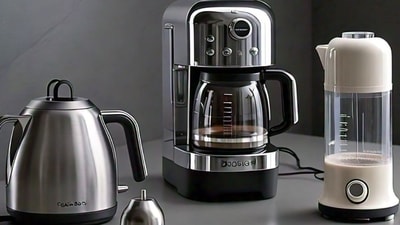
But let’s be honest, crafting that perfect cup can feel like a task when your bed refuses to let you go. This is where the magic of hot drink makers comes in! From coffee machines to tea makers, milk makers and even soup makers, these appliances take the hassle out of your morning. By simply pressing a button, you can enjoy café-style drinks without leaving your cozy home.
Why not make your winter mornings special and invest in a drink maker that can simplify your winter routine manifold? We have prepared some of the best hot drink makers for you. Whatever your favorite drink, a perfect machine, a drink dispenser, is waiting to serve you.
Why are hot beverages important in winter?
When the temperature drops, a hot drink can do wonders for your body and mood. Here are these must-haves in winter:
Warmth and comfort: Drinking hot beverages not only warms your hands but also increases your core body temperature, helping to counteract the cold from outside. Be it tea, coffee, or hot chocolate, these drinks provide instant warmth that makes you feel cozy and comfortable on a cold day. The inner warmth they generate helps you feel more relaxed, as well as fight the winter chill.
Improving your mood: The soothing warmth of a cup can instantly improve your mood, making cold mornings feel more bearable. Be it the rich aroma of coffee or the calming warmth of tea, these beverages are one way to create a peaceful ritual. They provide not only physical warmth but also a mental boost, helping you feel relaxed, satisfied and ready to face the day, even when the temperature outside is cold.
Soothes Sore Throats: The warmth of hot beverages can be incredibly soothing to sore throats, providing relief from the discomfort of a cold or flu. Ingredients like honey, ginger and lemon, which are often found in these beverages, are known for their natural antibacterial and antiviral properties, giving your immune system an extra boost while providing comfort.
Types of hot drink makers for you
coffee makers
Coffee machines come in a variety of types to suit every coffee lover’s needs:
Drip Coffee Maker: Drip coffee makers are a simple and familiar option for making coffee, with the capacity to make from one cup to 14 cups of coffee, although they are better suited for larger batches. The brewing process involves pouring cold water into a reservoir and ground coffee into a filter, which involves heating the water and passing it through the coffee grounds. Ideal for traditionalists, families and entertaining.
Espresso Machines: If you’re used to drinking drip coffee or instant coffee, you may wonder why invest in an espresso machine. But when it comes to rich flavor and aroma, espresso stands out. The golden layer of cream adds a creamy texture that blends perfectly with the milk. Espresso shots can be used to make a variety of drinks, including lattes, flat whites, cappucinos, macchiatos, and Americanos.
Single-Service Machines: Single-serve machines serve a cup of coffee instantly at the press of a button. These have water reservoirs and can accommodate different cup sizes. These machines use pre-measured pods for consistent coffee, reducing mess. However, they produce more waste and the coffee may not be as refined. Ideal for quick, easy brewing.
Tea brewing machines, although not as common as coffee machines, still provide a convenient way to make the perfect cup of tea. These machines, including electric kettles and tea infusers, allow precise control over water temperature and tea steeping time, ensuring consistency with each tea. Tea infusers are ideal for loose leaf tea, while electric kettles boil water quickly and can be used for a variety of teas. These options are practical for busy individuals who want a seamless brewing experience without compromising on taste.
For the perfect cup of tea, check out these electric kettles and tea pots with infusers
Milk frothers are essential for creating creamy, frothy textures in milk beverages like lattes, cappucinos and hot chocolate. There are three main types: manual frother, handheld frother, and electric frother. Manual foaming requires little effort, as you pump a handle to create foam. Handheld frothers are battery operated and ideal for quick, portable frothing. Electric frothers, often the most convenient, automatically heat and froth the milk, producing professional results with minimal effort. These frothers enhance the texture and flavor of your drink, adding a rich, velvety foam that transforms your morning coffee into a café-style experience.
Add frothy texture to your drinks with the best milk frothers ever
Soup is the perfect remedy for the winter cold, but the time and patience it takes to make it can seem daunting on cold days. This is where soup companies shine. These versatile appliances not only make warm, comforting soups but can also make hot beverages, smoothies, and sauces. Combining the functions of a blender and cooking utensil, they allow you to cook, mix and heat food simultaneously. Perfect for quick, healthy meals, soup makers save time and effort by streamlining the process. With preset programs for different soups, they make it easy to enjoy a homemade meal in minutes.
Check out these soup makers for the perfect soup bowl in no time
How to Choose the Right Hot Drink Maker for Your Home
Choosing the right hot drink maker can be difficult, but don’t worry, it doesn’t have to be! The first thing you should think about is what type of drinks do you enjoy the most? Are you a tea lover, a coffee lover, or do you want hot chocolate on cold winter days? Knowing this helps narrow down your options.
Next, consider how often you’ll use the appliance. If you’re someone who enjoys a daily cup, you’ll want something that is easy to use and durable. Look for machines with intuitive controls. Nobody wants to waste extra time figuring out complicated settings before their morning cup of tea!
The most important thing to consider for winter is the cleaning process; After all, no one wants a hot drink maker that is difficult to maintain. Choose one that is easy to disassemble and clean.
If you are short on space in the kitchen, be sure to measure the available countertop area before purchasing. Look for a sleek design that fits into the ambiance of your kitchen without crowding your space. Is the equipment compact enough to be easily stored when not in use?
Finally, think about the durability of the equipment. Investing in a high-quality machine can help you avoid replacing it early. Do some research and read reviews to find out what other users say about its longevity. With these factors in mind, you will be able to choose a hot drink maker that perfectly suits your needs!
Freshly brewed coffee or tea can lift your spirits and keep you cozy as the winter chills rise. And what’s more, the right drink maker can make your winter mornings even better. Take the time to explore options that suit your lifestyle and you’ll soon have the perfect drink at the push of a button.
Some hot drink makers come with a milk frother or steamer for preparing lattes or cappucinos. However, not all models allow direct use of milk, so check the instructions.
How long does a hot drink maker take to make a drink?
Most hot drink makers can make a drink in 2-5 minutes depending on the type of drinker and the features of the model.
Are portable hot drink makers available?
Yes, portable models are available, often compact and battery-powered, ideal for travel or outdoor use.
Do hot drink makers come with built-in filters?
Many models have built-in reusable filters, while others use disposable filters or pods. Some also feature water filters to enhance taste and quality.
How much electricity does a hot drink maker consume?
Power consumption varies by model, but most are energy-efficient. Check the wattage (usually 800-1500W) to estimate usage based on your needs.
Disclaimer: At Hindustan Times, we help you stay updated with the latest trends and products. Hindustan Times has an affiliate partnership, so we may get a share of the revenue when you make a purchase. We will not be liable for any claims under applicable laws including but not limited to the Consumer Protection Act, 2019 in relation to the Products. The products listed in this article are in no particular order of priority.
Rescue workers from the White Helmets say they have ended their search operation for possible detainees in secret cells or basements at Syria’s notorious Saydnaya military prison without finding anyone.
Specialised teams assisted by K9 dog units and individuals familiar with the layout combed the prison and its grounds on Monday, as crowds gathered in the hope of finding their missing relatives.
“The search did not uncover any unopened or hidden areas within the facility,” a White Helmets statement said.
The news came as rebel fighters said they had found almost 40 bodies showing signs of torture in the mortuary of a hospital in the capital, Damascus.
Meanwhile, the leader of the Islamist militant group whose offensive led to the overthrow of President Bashar al-Assad on Sunday said former senior officials who oversaw the torture of political prisoners during the country’s 13-year civil war would be held accountable.
Abu Mohammed al-Jolani said the names of the officials would be published and repatriation sought for those who had fled to other countries. Rewards would also be offered to anyone who provided information about their whereabouts, he added.
The Syrian Observatory for Human Rights, a UK-based monitoring group, says almost 60,000 people were tortured and killed in the Assad government’s prisons.
Human rights groups say more than 100,000 people have disappeared since Assad ordered a brutal crackdown on pro-democracy protests in 2011 that triggered the civil war.
EPA
The Turkey-based Association of Detainees and the Missing in Sednaya Prison (ADMSP) said in a 2022 report that the prison “effectively became a death camp” after the start of the conflict.
It estimated that more than 30,000 detainees had either been executed or died as a result of torture, lack of medical care or starvation at the facility between 2011 and 2018.
It also cited released inmates as saying that at least another 500 detainees had been executed between 2018 and 2021.
ADMSP also described how “salt chambers” were constructed to serve as primitive mortuaries to store bodies before they were transferred to Tishreen Military Hospital in Damascus for registration and burial in graves on military land. The detainees’ families were never given their bodies, it said.
Amnesty International used the phrase “human slaughterhouse” to describe Saydnaya and alleged that the executions had been authorised at the highest levels of the Assad government, and that such practices amounted to war crimes and crimes against humanity.
The Assad government dismissed Amnesty’s claims as “baseless” and “devoid of truth”, insisting that all executions in Syria followed due process.
Willow was created at Google’s new, state-of-the-art fabrication facility in Santa Barbara, CEO Sundar Pichai said.
Google has unveiled ‘Willow,’ its latest quantum chip, with ‘state-of-the-art performances’ across various metrics.
The Willow chip (Courtesy: Google)
Sundar Pichai, CEO of Google and its parent firm Alphabet, wrote on X, “We see Willow as an important step in our journey to build a useful quantum computer with practical application in areas like drug discovery, fusion energy, battery design + more.”
Here’s all about Google’s Willow chip:
(1.) According to Pichai, Willow can reduce quantum computing’s errors exponentially, even as Google scales up its use of qubits (units of computation in quantum computers).
(2.) He also said the chip took less than five minutes to perform a standard benchmark computation, while Frontier, one of the fastest supercomputers today, would complete the same task in 10 ‘septillion years.’
(3.) The chip was built in the tech giant’s new, state-of-the-art fabrication facility in Santa Barbara, one of only a few facilities in the world built from the ground up for this purpose.
(4.) Willow’s 105 qubits help it give ‘best-in-class performance’ across quantum error correction and random circuit sampling (RCS). It’s performance is ~5x improvement over Google’s previous generation of chips.
(5.) Willow, Pichai stated, is a ‘major step’ on a journey that he started 12 years ago by founding Google AI. “The vision was to build a useful, large-scale quantum computer that could harness quantum mechanics,” the Indian-origin chief executive of Google and Alphabet said.
Stay updated with the…
See more
News/Business/ Google introduces state-of-the-art Willow chip capable of outpacing a supercomputer
The cold wave has already gripped most parts of North India and with this, a water heater becomes a crucial purchase that gives you that rejuvenating and relaxing bathing experience. Depending on your family size, the market is flooded with a wide assortment of water heaters that comes from different brands, that might confuse your purchasing choice too. In case, you’re looking to buy a 15-litre water heater for a small sized family, we did that homework for you. We have listed some of the best 15-litre water heaters for you that you can trust when it comes to a hot water bath.
15 litre water heaters for small sized family(Pexels)
What is the difference between an instant and storage water heater?
The main difference between an instant and storage water heater is that instant water heaters are perfect for a small household with limited space. Whereas, storage water heaters are just perfect for large family size and where you need more hot water for the entire family.
What is the most popular water heater size?
Ideally, a 40-50 gallons water heater is ideal for an average family size of 2–3 people. Additionally, 10 gallons of water per person can be increased, depending upon the family size. In a tankless water heater, the capacity is measured by flow rate, calculated in gallons per minute.
The Crompton Arno Neo 15-L Storage Water Heater combines energy efficiency and durability in a sleek design. With its 5-star energy rating, this water heater ensures minimal power consumption. It features a high-grade stainless steel tank and a tough build that guarantees long-lasting performance. Ideal for households, it delivers quick and efficient heating with its advanced heating technology, ensuring warm water anytime. The elegant design adds to the aesthetic appeal of modern bathrooms.
Specifications of Crompton Arno Neo 15-L 5 Star Rated Storage Water Heater
Capacity: 15 litres
Energy Rating: 5 Star
Tank Material: Stainless Steel
Heating Element: Advanced Copper
Safety Features: Multi-functional safety valve and thermal cut-off
Warranty: 2 years on product, 7 years on tank
Reasons to Consider
Reasons to Avoid
High energy efficiency
Slightly higher initial cost
Durable stainless steel tank
May require professional installation
Modern and compact design
Limited to small and medium-sized families
The AO Smith HSE-SHS-015 Water Heater is a premium choice for modern homes, offering advanced technology and superior build quality. This 15-litre vertical storage water heater ensures quick heating and excellent energy savings with its high-efficiency heating element and 5-star energy rating. Designed for safety and durability, it features a blue diamond glass-lined tank and advanced temperature control for a comfortable user experience.
Specifications of AO Smith HSE-SHS-015 Storage 15 Litre Vertical Water Heater
Capacity: 15 litres
Energy Rating: 5 Star
Tank Material: Blue Diamond Glass Lined
Heating Element: Glass-Coated Incoloy Element
Safety Features: Thermal cut-out and pressure release valve
Warranty: 2 years on product, 7 years on tank
Reasons to Consider
Reasons to Avoid
High-quality glass-lined tank
Expensive compared to alternatives
Energy-efficient and quick heating
Requires regular descaling in hard water areas
Long warranty period
Bulky design
The V-Guard Divino Geyser combines performance and convenience with a 15-litre capacity suitable for families. This wall-mounted water heater is equipped with cutting-edge technology for fast heating while ensuring low energy consumption. With a durable inner tank and a sleek outer design, it is built to last and blend seamlessly with modern interiors. The multi-layered safety system provides reliable operation for everyday use.
Specifications of V-Guard Divino Geyser 15 Litre Wall Mount Water Heater
Capacity: 15 litres
Energy Rating: 4 Star
Tank Material: Thick-Gauge Steel with Glass Lining
Heating Element: Copper
Safety Features: Overheat and pressure protection system
The Crompton Amica Pro 15-L Water Heater is an excellent combination of performance, safety, and energy efficiency. Its 5-star energy rating ensures reduced electricity bills while the powerful heating element delivers hot water quickly. The durable build, including a rust-resistant tank, ensures longevity, and the sleek design seamlessly fits into any bathroom decor. Safety features like thermal cut-off and a multi-functional safety valve provide peace of mind.
Specifications of Crompton Amica Pro 15-L, 5 Star Rated Storage Water Heater
Capacity: 15 litres
Energy Rating: 5 Star
Tank Material: Nano Poly Bond Technology
Heating Element: Copper
Safety Features: Thermal cut-off, safety valve
Warranty: 2 years on product, 7 years on tank
Reasons to Consider
Reasons to Avoid
Energy-efficient and eco-friendly
Limited warranty on heating element
Quick heating
Slightly higher price
The Bajaj Shield Series New Shakti Water Heater is a trusted choice for households, offering a 15-litre capacity suitable for families. With its advanced titanium armour technology, this geyser ensures superior corrosion resistance and durability. The 4-star energy rating provides decent power savings. Its unique swirl flow technology allows faster heating while safety measures ensure secure operation.
Specifications of Bajaj Shield Series New Shakti 15L Storage Wall Mount Water Heater
The Haier Precis-Pro 15-L Water Heater offers a blend of efficiency, safety, and durability. It features a 5-star energy rating for reduced electricity consumption. The superior tank coating prevents rust and ensures a longer lifespan. Ideal for families, it has advanced safety features like shockproof technology and a multi-layer protection system, making it a reliable addition to any household.
Specifications of Haier Precis-Pro 15-L 5 Star Storage Wall Mount Water Heater
The Havells Instanio Prime 15-L Water Heater is designed for efficiency and convenience. Its compact and stylish design adds to bathroom aesthetics while providing hot water quickly with its high-power heating element. The color-changing LED indicator enhances usability by showing water heating status. Equipped with advanced safety measures, it ensures a worry-free experience.
Specifications of Havells Instanio Prime 15 Litre Storage Water Heater
Capacity: 15 litres
Energy Rating: 5 Star
Tank Material: Feroglas Coating Technology
Heating Element: Glass-Coated Incoloy
Safety Features: Safety valve, thermal cut-off
Warranty: 2 years on product, 7 years on tank
Reasons to Consider
Reasons to Avoid
Stylish design with LED indicator
Higher cost than competitors
Energy-efficient and durable
Limited to small families
Excellent safety features
Installation may require additional cost
The Havells Monza 15-L Water Heater offers robust performance with its heavy-duty design and durable tank coating. Featuring a PUF insulation technology, it minimizes heat loss, making it energy-efficient. Its vertical storage design is ideal for compact spaces. The safety features and advanced heating element ensure safe and efficient water heating for daily use.
Specifications of Havells Monza 15 Litre Storage Wall Mount Water Heater
9.Venus MegaPlus 15EV 15-Litre Storage Water Heater
The Venus MegaPlus 15EV Water Heater delivers reliable performance with its 15-litre capacity, perfect for medium-sized families. Its porcelain enamel glass-lined tank ensures durability and corrosion resistance, while the energy-efficient design helps save on electricity bills. With multiple safety features and a compact design, it is a great choice for modern households.
Specifications of Venus MegaPlus 15EV 15-Litre Storage Water Heater
The Hindware Atlantic Xceed Neo 15L Storage Water Heater is an affordable yet efficient option for households. Its 15-litre capacity is perfect for small to medium families. Equipped with a durable glass-lined tank, it ensures longevity and corrosion resistance. This geyser features fast-heating technology for a quick and reliable supply of hot water, and its modern design fits well in contemporary homes.
The Activa 15 L Storage Water Heater is a budget-friendly option designed for durability and performance. Featuring a 0.75 mm stainless steel tank with anti-rust coating, this water heater ensures long-lasting use. Its powerful 2 KVA heating element provides quick heating, making it an excellent choice for small families. Despite its competitive price, it incorporates essential safety features for reliable operation.
Specifications of Activa 15 L Storage 2 Kva Special Anti Rust Coating 0.75 mm SS Tank Geyser
Capacity: 15 litres
Energy Rating: 3 Star
Tank Material: 0.75 mm Stainless Steel with Anti-Rust Coating
What is the ideal use case for a 15-litre water heater?
A 15-litre water heater is suitable for medium-sized families (2-4 members) for tasks like bathing using a shower or a bucket.
How long does it take to heat water?
On average, it takes about 10-20 minutes for a 15-litre water heater to heat water to the desired temperature, depending on the wattage and ambient water temperature.
What tank material should I look for in a water heater?
Look for durable and corrosion-resistant materials such as Glass-Lined, Nano Polybond, or Titanium Enamel Coating, which ensure longevity and reduce maintenance.
How does the heating element affect the water heater’s performance?
Heating elements like Incoloy, Copper, or those with glass coatings are efficient, heat up quickly, and resist corrosion, ensuring consistent performance and durability.
Disclaimer: At Hindustan Times, we help you stay up-to-date with the latest trends and products. Hindustan Times has an affiliate partnership, so we may get a part of the revenue when you make a purchase. We shall not be liable for any claim under applicable laws, including but not limited to the Consumer Protection Act, 2019, with respect to the products. The products listed in this article are in no particular order of priority.
It is essential to identify your PAN card’s issuing authority before requesting a reprint. (AI image)
PAN 2.0: Under PAN 2.0, holders of Indian PAN cards can obtain a reprinted card featuring a QR code for Rs 50. The tax department will deliver the new card to the registered email address. Taxpayers may update their PAN information in income tax records without charge before requesting a reprint. After completing any necessary corrections, the updated PAN card with QR code will be sent electronically to the registered email address, says an ET report. It’s important to note that the Income Tax Department has been issuing PAN cards with QR code for some years now, but in case your PAN card was issued before that, you can request for a reprint with a QR code. It is essential to identify your PAN card’s issuing authority before requesting a reprint. The income tax department has designated two organisations for PAN-related services: Protean (previously NSDL e-governance) and UTI Infrastructure Technology and Services Ltd (UTIITSL). The issuing agency details can be found on the reverse side of your current PAN card, which will determine where to submit your reprint request for a QR-coded card.
How to get PAN Card reprint with QR Code
Here’s a detailed procedure to obtain a PAN card reprint through Protean’s (previously NSDL) online portal.
Begin by accessing https://www.onlineservices.nsdl.com/paam/ReprintEPan.html
Input your PAN, Aadhaar (applicable for individuals), and date of birth on the displayed page. Select appropriate boxes and press ‘Submit’.
Upon submission, verify your partially masked details as maintained by the income tax department on the subsequent page. Choose your preferred OTP delivery method – mobile, email or both. Confirm dispatch to the registered communication address and select ‘Generate OTP’.
Enter the received OTP within 10 minutes of generation and validate it.
Post validation, proceed to payment. The fee for a QR-coded PAN card reprint is Rs 50. Accept the service terms and submit.
Complete the Rs 50 payment on the next page. Save the acknowledgement receipt generated afterwards, as it enables e-PAN download from NSDL’s website after 24 hours.
The physical PAN card will be sent to your registered address, typically arriving within 15-20 days.
How to get PAN card reprint with QR Code from UTIITSL
Visit the official UTIITSL portal at https://www.pan.utiitsl.com/reprint.html and choose ‘Reprint PAN card’. Upon selection, you will be directed to a new page. Fill in the required information including your PAN number, birth date and the displayed captcha code, then press submit. For obtaining a PAN card reprint featuring a QR code, follow the identical procedure on the UTIITSL website as outlined above.
Somanahalli Mallaiah Krishna, or SMK, was one of the most well-educated, suave, sophisticated, soft-spoken politicians of Karnataka, who has served as a member of both the Houses of the Karnataka Legislature and the Indian Parliament. He was a pioneer of reforms in all aspects of administration of Karnataka.
When he took over the reins of power from the JH Patel-led Janata Dal government in 1999, Karnataka’s economy was in a very bad shape. With the Congress gaining power under his leadership, Sri Krishna became the Chief Minister (1999–2004). He opened the door to closer engagement with the World Bank, civil society organizations and industry experts to initiate reforms. He played a key role in introducing several reforms in fiscal and public expenditure management, governance, private sector development, and poverty and human development monitoring.
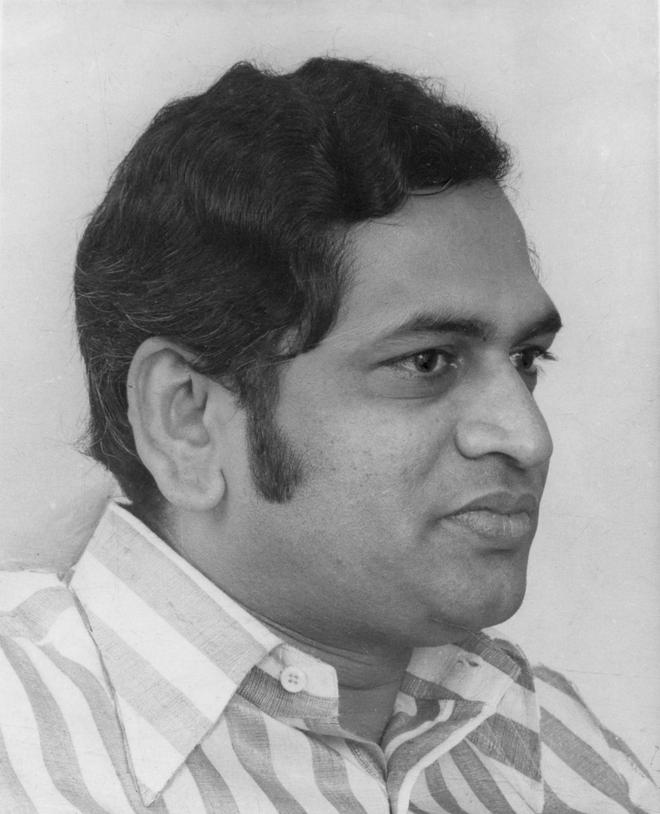
A photograph of SM Krishna was published in The Hindu on January 30, 1983. He was then part of Congress-I from Mandya constituency.
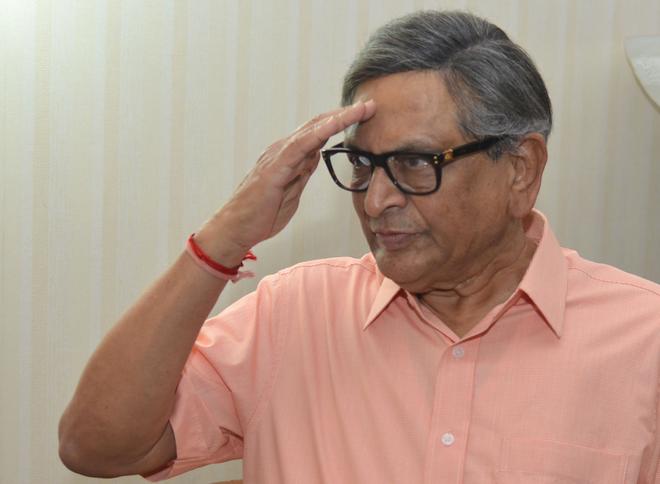
Senior Congress leader SM Krishna was greeted by his well-wishers at his residence on his 83rd birthday.
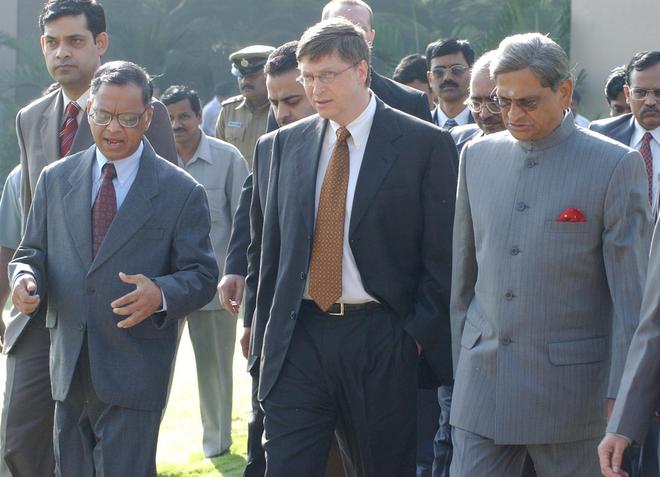
Bill Gates, Chairman and Chief Software Architect, Microsoft Corporation (center) arriving with Narayana Murthy, Infosys (left) and Karnataka Chief Minister Shri S.M. Krishna at Infosys Campus, Electronics City.
SMK with Salman Khurshid
SM Krishna was seen with Kannada actor Dr Rajkumar after he was released by forest robber Veerappan, who had kidnapped him in 2002.
SM Krishna with MK Karunanidhi, then Tamil Chief Minister R. Gopal was seen with the publisher of Tamil magazine ‘Nakkiran’.
Karnataka matinee idol, Dr. Rajkumar welcoming the audience and fans after receiving the highest state award ‘Karnataka Ratna’ from the Governor of Karnataka, Shri Khurshid Alam Khan, in Bengaluru on November 14, 1992. Karnataka, Shri S. Bangarappa (right) and Assembly Speaker Shri S.M. Krishna (further left) is also visible.
SM Krishna addressing a press conference as Chief Minister of Karnataka at the Vidhana Soudha in January 2002.
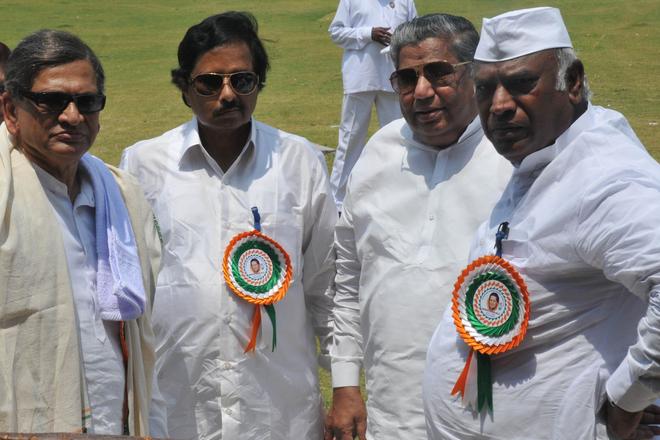
SM Krishna, Mallikarjun Kharge and other ministers look at the map of the proposed Devanahalli International Airport in Bengaluru.
Former Chief Ministers SM Krishna, S. during the Bharat Nirman rally at MBA Ground in Davanagere on 23 March 2009. Bangarappa, N Dharam Singh and Mallikarjun Kharge are leaders of the opposition in the Legislative Assembly.
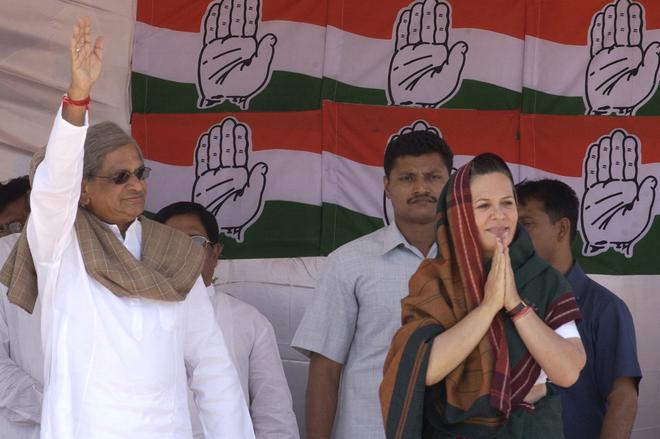
Congress President Sonia Gandhi and Chief Minister SM Krishna greeting the crowd during a public meeting in Kolar in 2004.
SM Krishna inspecting the work progress at Vikas Soudha, Bengaluru in 2004.
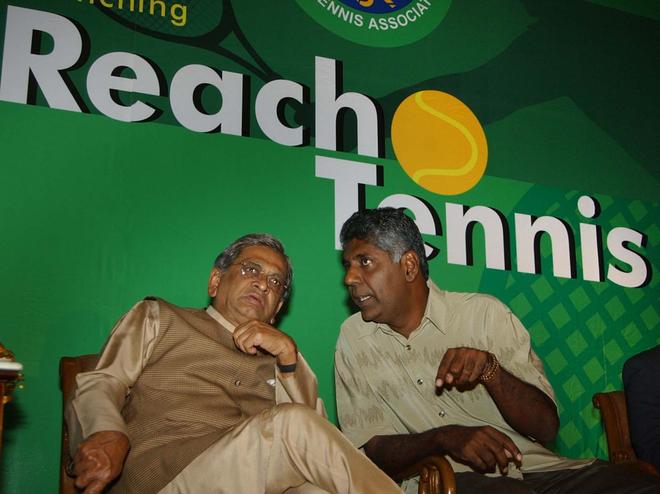
SM Krishna and veteran tennis player Vijay Amritraj at an event at KSLTA in Bengaluru.
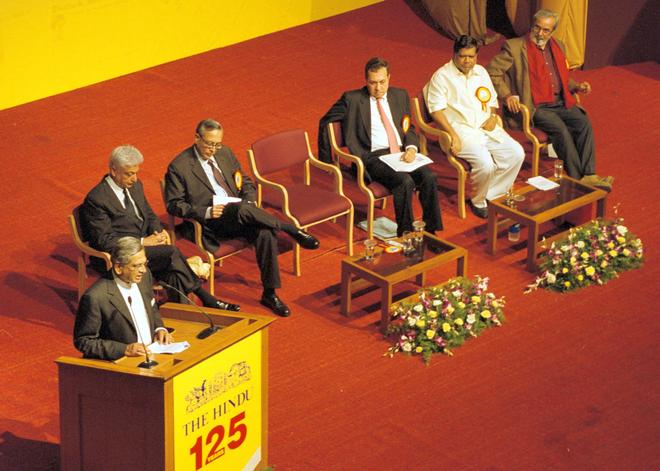
SM Krishna addressing the gathering at the 125th year celebrations of ‘The Hindu’ at Ambedkar Bhawan, Bengaluru on November 08, 2003. (From left) Azim Premji, Chairman, Wipro, N. Murali, Joint Managing Director are also seen. Director, ‘The Hindu’, N. Ram, Editor-in-Chief, ‘The Hindu’, Jagadish Shettar, Leader of Opposition in the Karnataka Assembly and URANanthamurthy, renowned writer.
Pandit Jasraj died on 20 January 2004 in Bangalore, after the death of violinist L. Being honored by SM Krishna along with Subramaniam.
Chief Minister SM Krishna and Public Works Minister Dharam Singh inspecting the progress of work at Vidhana Soudha South Block in Bengaluru on August 4, 2003.
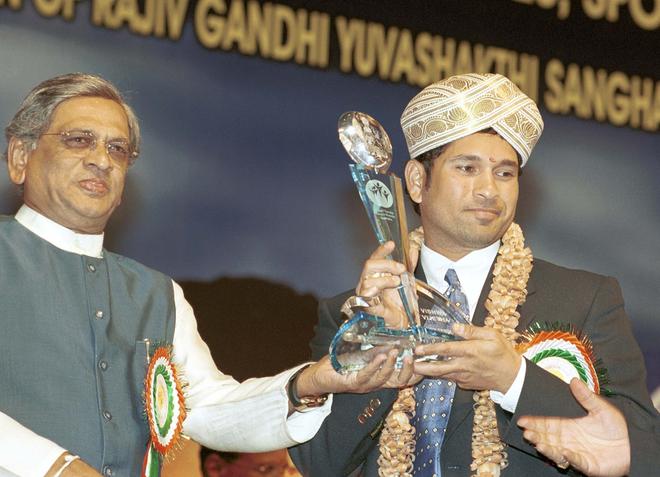
Cricketer Sachin Tendulkar honored by Chief Minister SM Krishna at the inauguration ceremony of Rajiv Gandhi Yuva Shakti Sangh in Bengaluru in August 2003.
President Draupadi Murmu confers Padma Vibhushan on former Union Minister SM Krishna during the Padma Awards 2023 ceremony at Rashtrapati Bhavan in New Delhi.
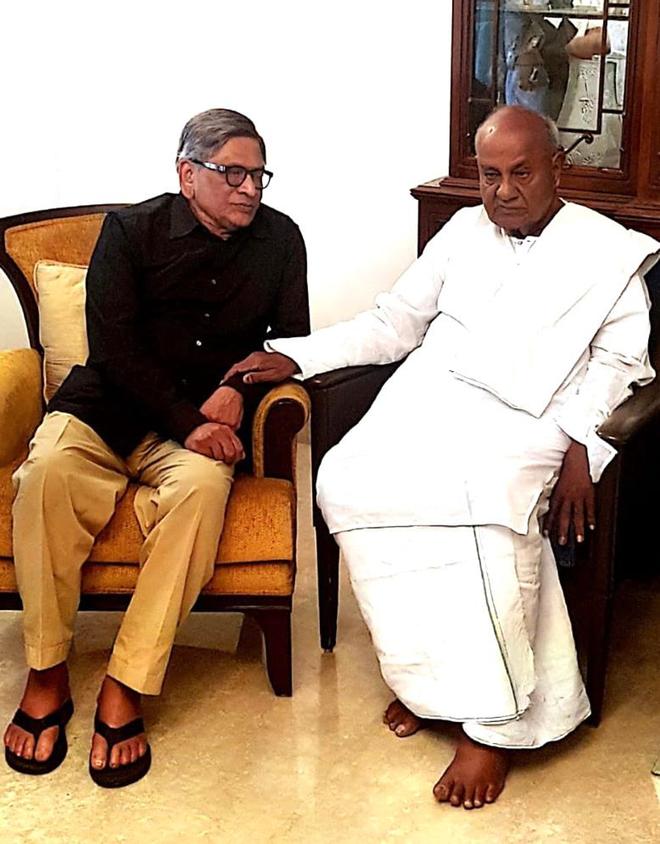
Former Prime Minister HD Deve Gowda consoling former Chief Minister SM Krishna and his family members at his residence in Bengaluru after his son-in-law VG Siddhartha went missing in Mangaluru.
The then US Secretary of State Hillary Clinton met SM Krishna during her tenure as External Affairs Minister in New Delhi on May 8, 2012.
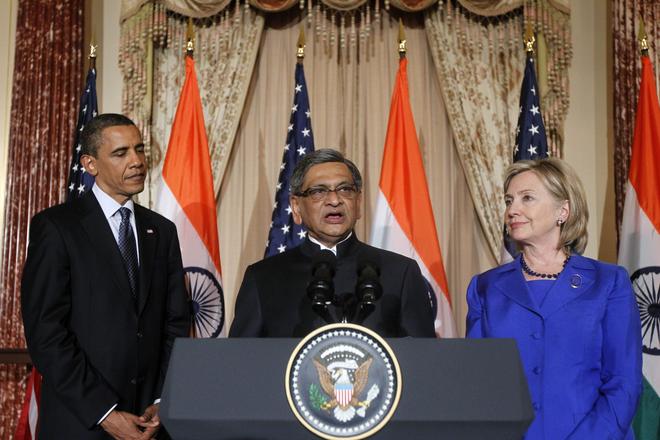
President Barack Obama, left, stands with Secretary of State Hillary Rodham Clinton, Indian Foreign Minister SM Krishna speaks during the US-India Strategic Dialogue reception at the State Department in Washington, June 3, 2010.
1,3
During his tenure, the attendance punching system was introduced in major government offices including the Vidhana Soudha. DM Nanjundappa Committee was formed to remove regional imbalance. He believed that Karnataka could prosper and progress only when equal importance was given to both urban and rural areas.
comprehensive reform
During his rule, Karnataka provided a legislative framework for reforms by passing laws and imposing user charges in the health and irrigation sectors. Karnataka was the first state to pass the Fiscal Responsibility and Budgetary Management (FRBM) Act in 2002.
In view of the many problems in the power sector, the Karnataka Electricity Reforms Act was enacted in 1999. Karnataka Electricity Board was dissolved and KPTCL was incorporated under the Companies Act in June, 2002.
Karnataka has institutionalized the annual cycle of medium term fiscal planning (MTFP). Notable laws include the Karnataka Transparency in Public Procurement Act, 1999, and the Karnataka Industries (Facilitation) Act, 2002, which was amended in 2015, which mandated a single-point government-industry interface and set deadlines for government clearances. Were among. Passed during his tenure.
The Krishna government constituted expert committees on Panchayat Raj (1999), Administrative Reforms Commission (2001), Tax Reforms Commission (2000), and Revenue Reforms Commission (2002) to make the administration efficient, effective, transparent, responsive and accountable. . The task force comprising eminent personalities drawn from professional, private and civil society organizations was constituted in almost all sectors to carefully study and make recommendations to promote the all-round development of Karnataka.
During his time e-governance was introduced in the delivery of public services in all cities and towns, citizens’ charters were widely displayed in government offices, and a system of online complaints and public hearings was introduced for resolution of grievances in service delivery. Was started. E-governance projects like Bhoomi, Khazane, Cauvery and Mahithi (known as BangaloreOne Center in Bengaluru) service centers were implemented.
Competing with then Chief Minister of Andhra Pradesh Chandrababu Naidu in attracting investment, the Krishna government opened the doors to PPPs in the infrastructure sector – construction of roads, airports, power plants, waste disposal, health and education, and essential Collection of bills for services. ,
In 2003, the World Bank held its Annual Bank Conference on Development Economics (ABCDE) in Bengaluru, the first time it was held outside Washington.
Special place for Bengaluru
It is argued that SM Krishna’s support of the reforms and his willingness to allow autonomy to agency heads, as well as the strong support of the Bangalore Agenda Task Force (BATF), led agency heads to show interest in implementing the reforms. Encouraged. BATF was not only a model adopted by other Indian cities, but the concept was also introduced to other donor countries by the World Bank. The Krishna regime used the BATF to avoid criticism regarding projects and policies by taking advantage of the intellectual reputation of members.
Bengaluru City Corporation introduced a popular and optional Self-Assessment Scheme (SAS) for payment of property tax, which not only reduced corruption by eliminating red tape, but also significantly increased revenues during his tenure.
Work on the international airport in Bengaluru, development of the Outer Ring Road around the city, and most of the flyovers, underpasses, over-bridges and grade separators were started during Krishna’s tenure. He has a special place in his heart for the garden city Bengaluru.
His commitment to implementing reforms contributed to a significant improvement in the state’s financial position in 2005–06. The average collection rate of all taxes increased from 97% of budget estimates in 2001 to 106% in 2006. In 2006, the state government withdrew from bank loans. The additional revenue was used for construction of roads, flyovers, ring roads, housing layouts, housing complexes without burdening the state exchequer.
CM at the wrong time?
Shri Krishna perhaps in some ways became Chief Minister at the wrong time. The administration faced many difficulties during 2001–02 as the government was busy resolving the dispute over sharing of Kaveri river water with Tamil Nadu. The kidnapping of Kannada matinee idol Dr. Rajkumar and his release after 109 days of imprisonment, and the murder of former minister H. Nagappa and the resulting public outcry dominated the government’s time and energy. Irregularities of monsoon became the reason for suicide of farmers. Shri Krishna was really upset and was not in a position to implement his vision completely.
“If he had taken over the leadership of the state government perhaps a decade earlier, or perhaps later, I am sure he would have done much better. But then perhaps the real Krishna would not have appeared. Because, it is only when a person faces adversities and difficult challenges that his true potential is revealed,” said veteran journalist Gabriel Vaz, who followed Krishna’s tenure closely.
Despite these difficulties, many believe that Karnataka has made a significant leap forward in terms of comprehensive reforms.
Many believe that Mr Krishna ‘misjudged’ the mood of the voters when he decided to hold assembly elections six months before his term ended with the 2004 Lok Sabha elections. In the 2004 assembly elections, an apparently ‘disgruntled’ urban constituency and ‘neglected’ rural voters ousted the Congress and Chief Minister SM Krishna from power.
Some 250 Israeli air strikes have hit Syria in 48 hours, reports the Syrian Observatory for Human Rights.
Israel has unleashed a barrage of aerial attacks across Syria, battering key military sites amid a security vacuum after opposition forces ousted President Bashar al-Assad.
Near the port city of Latakia, Israel targeted an air defence facility and damaged Syrian naval ships as well as military warehouses. In and around the capital, Damascus, strikes targeted military installations, research centres and the electronic warfare administration.
The Syrian Observatory for Human Rights (SOHR), a war monitor, said Israel had “destroyed the most important military sites in Syria, including Syrian airports and their warehouses, aircraft squadrons, radars, military signal stations, and many weapons and ammunition depots in various locations in most Syrian governorates”.
Israel, which borders Syria, sent troops into a buffer zone on the east of the Israeli-occupied Golan Heights after al-Assad’s fall, in what Foreign Minister Gideon Saar described as a “limited and temporary step” for “security reasons”. It has also carried out “about 250 air strikes on Syrian territory” over the last 48 hours with the aim of destroying the former regime’s military capabilities, according to SOHR.
“Israel’s attacks on Syria are systematic,” said Al Jazeera’s Resul Serdar, reporting from Damascus. “They are aiming to destroy Syria’s defence bases”.
Serdar said Israel’s latest raids targeted three major airports – in Homs, Qamishli and Damascus – as well as weapons depots and other strategic military sites.
“Israel claims it is doing this because it is concerned that these strategic facilities and military equipment could fall into the hands of the opposition,” said Serdar.
There was no immediate reaction from Syria’s incoming Salvation Government, which al-Assad’s Prime Minister Mohammad Ghazi al-Jalali agreed on Monday to hand power to.
The Council on American-Islamic Relations (CAIR), a US Muslim group, blasted the US government for its continued support to Israel despite its escalating attacks in the region, saying the “Syrian people deserve to rebuild their country free from foreign occupation and violence”.
Pushing ‘beyond’ the Golan
The flurry of air strikes came after Israeli troops also seized more territory in a buffer zone near the occupied Syrian Golan heights.
Al Jazeera’s senior political analyst Marwan Bishara said “Israel has taken the opportunity of Damascus being preoccupied with a change of regime to expand their presence in the Golan Heights and perhaps beyond”.
Israel “called it temporary, but we know the implications when Israel says temporary,” Bishara said. “In the occupied West Bank, for example, it’s been almost six decades”.
While Syria had been at war for more than 13 years, the al-Assad government’s collapse came in a matter of days in a lightning offensive led by the opposition group Hayat Tahrir al-Sham (HTS).
Syria’s parliament, formerly pro-al-Assad like the PM, said it supports “the will of the people to build a new Syria towards a better future governed by law and justice”.
The Baath party said it will support “a transitional phase in Syria aimed at defending the unity of the country”.
New Delhi: Some stories go beyond inspiration and touch such a cord in people’s lives that the beauty echoes for a long time. Today’s inspiring story is that of Pratiksha Tondwalkar, who once worked as a sweeper, cleaning the restrooms and the property furniture in State Bank of India went on to become the Assistant General Manager (AGM) of the bank.
From getting married at the age of 17 to becoming a widow at the age of 20, earning between Rs 60 and Rs 65 a month as a sweeper at SBI to rising to the position of SBI AGM, Pratiksha Tondwalkar’s journey is a poignant reminder that if you persevere and don’t give up in the face of adversity, you will eventually experience the sweet taste of success.
Pratiksha Tondwalkar Married at 17, widowed at 20
Pratiksha married Sadashiv Kadu at 17 before she could finish her class 10 exams due to her parents’ financial struggles. Kadu worked for SBI in Mumbai as a bookbinder. Tragically, Kadu was killed in an accident while the couple was traveling to their village, leaving Pratiksha struggling for survival at 20.
Pratiksha Tondwalkar Once Worked as sweeper at SBI
Pratiksha struggled to find suitable employment because of a lack of education. She was forced to work as a sweeper at SBI to support her family and finish her high school education. She earned around Rs 60-65 per month cleaning the restroom and sweeping the property furniture while caring for her son and working in other menial jobs. Pratiksha burned the candle at both ends, and did more than she ought to in order to provide for her son.
Pratiksha Tondwalkar Promoted to bank clerk from sweeper
Every worthwhile accomplishment has its stages of struggle and victory and Pratiksha’s was no different. During bad times when it felt like everything was against her, Pratiksha did not grumble and moan. She knew people who give up and let pessimism continue will never find answers, so she better find a way. She enrolled in a night college in Mumbai’s Vikhroli, passed the 12th exam, and majored in psychology at another night college. She was later promoted from a sweeper to a bank clerk.
Pratiksha Tondwalkar Becomes SBI AGM
Pratiksha remarried in 1993. Her husband Pramod Tondwalkar was very supportive and encouraged her to take banking exams. Pratiksha turned the tide, making a significant change in the situation. She went into overdrive, performing intensely in her work. Pratiksha advanced to the rank of a trainee officer because of her commitment and diligence. She later rose to the position of CGM and then AGM. Pratiksha will be retiring in two more years.
Pratiksha’s journey from sweeper to AGM at SBI shows how hard work and dedication pay off and finally begins to bear fruit.